Pilot Launch
Home / Collections and halls / Galleries
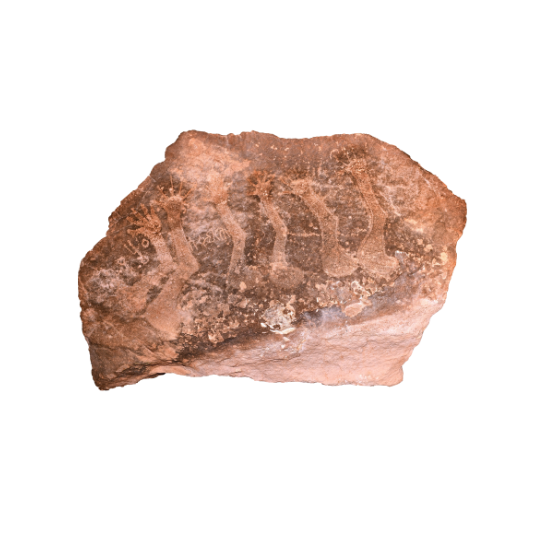
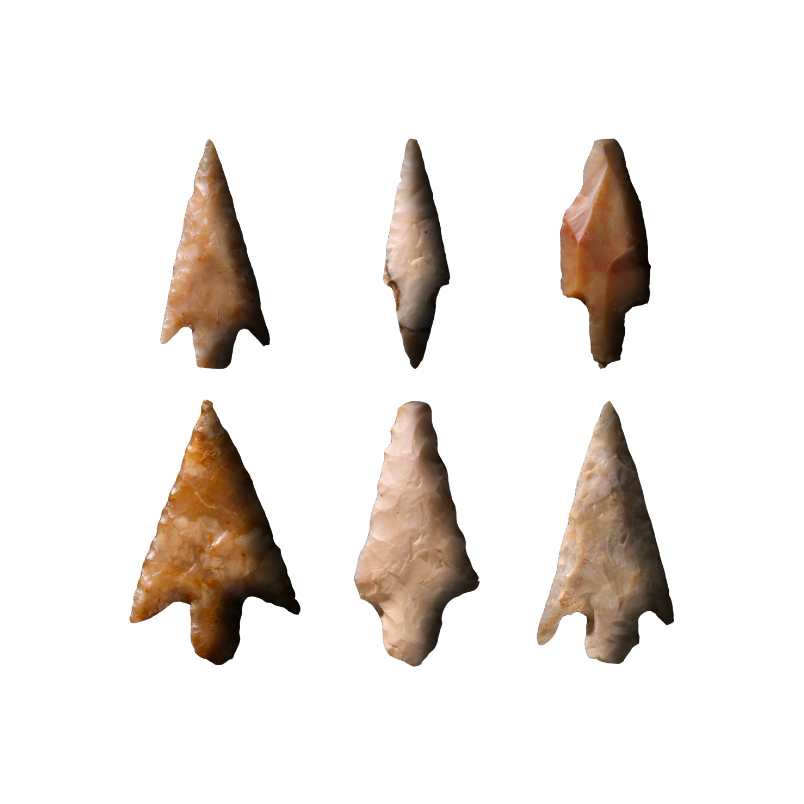
Situated on the ground floor, the Man and the Universe Gallery spans a substantial area of 1,500 square meters. The gallery centers around four key themes: the genesis of the Universe and Earth, the geological forces that have shaped our planet Ancient environments and the initial inhabitants of the Arabian Peninsula. the phenomena of continental drift and the movement of continents, as well as the formation and transformation of minerals, rocks and the rock cycle. Within the gallery, visitors can also find authentic fossils of large animals dating back 85,000 years, as well as fragments of human bones.
Hima - Najran
Second millennium CE
Al Thumamah - Riyadh
8,000 - 4,000 CE
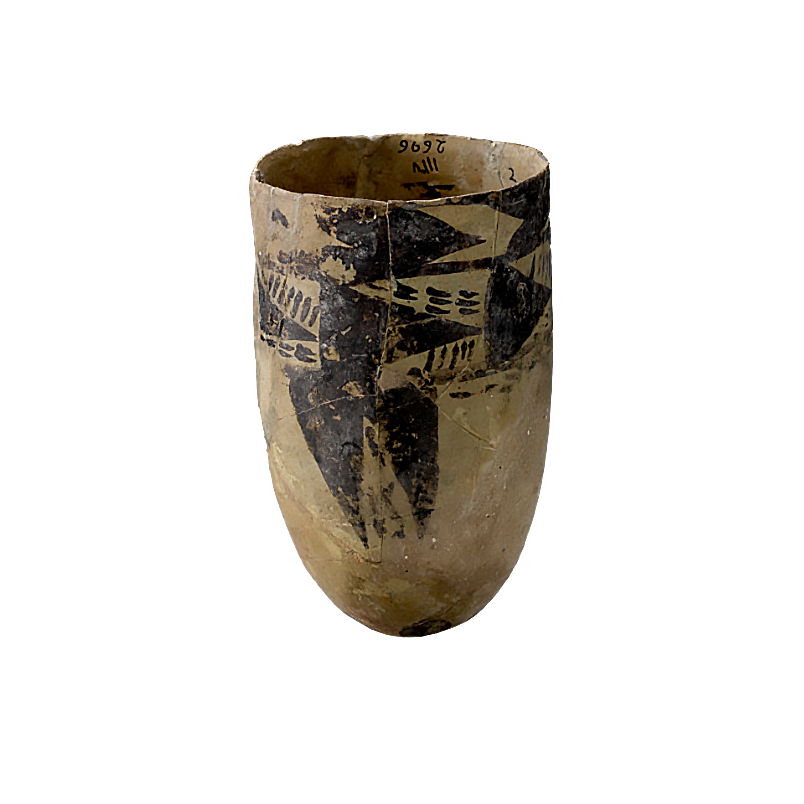
Khursaniyah - Eastern Province, KSA
4,300 - 3,900 CE
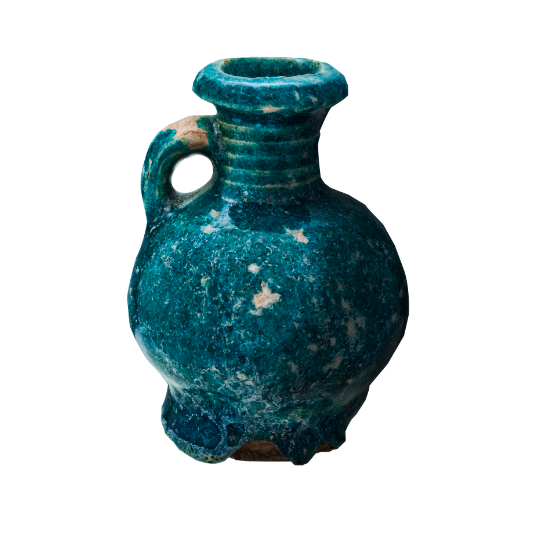
The gallery is open for visitors
The Arabian Kingdoms Gallery depicts life in the Arabian Peninsula from the fourth millennium BC to the fourth century CE. The gallery highlights the archaeological remnants of numerous multicultural cities and trade routes that thrived during three significant periods: the ancient, middle and late Arabian kingdoms. Additionally, the gallery displays an assortment of artifacts from ancient civilizations, including Egyptian, Greek. Notably, it also features the magnificent and mysterious treasure of Princess Thaj.
Qaryat al-Faw. Wadi ad-Dawasir - Riyadh
Fourth century CE - Fourth century AD
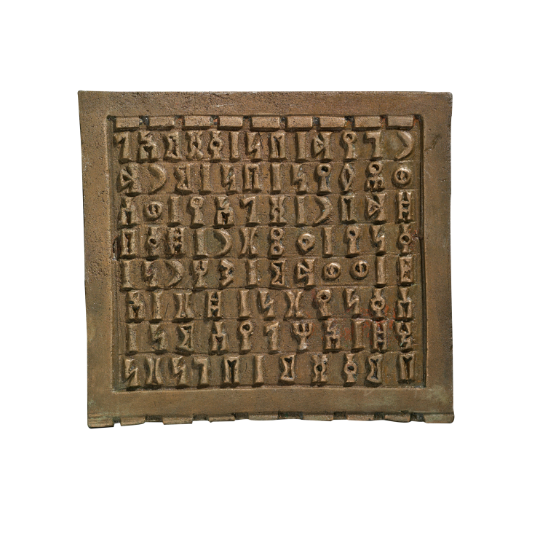
Qaryat al-Faw. Wadi ad-Dawasir - Riyadh
Fourth century CE - Fourth century AD
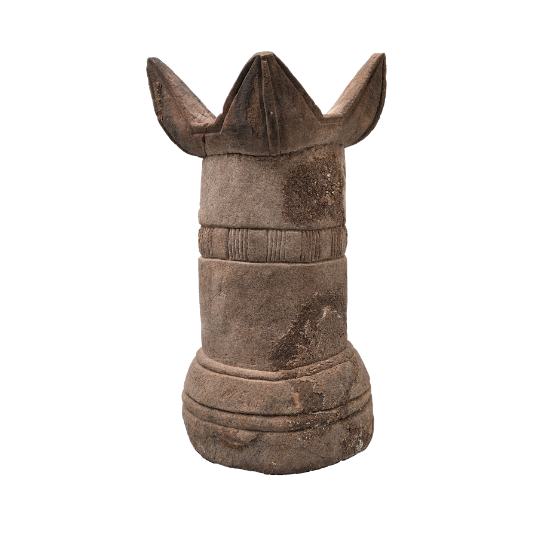
Tayma - Tabuk
First century BC - First century AD
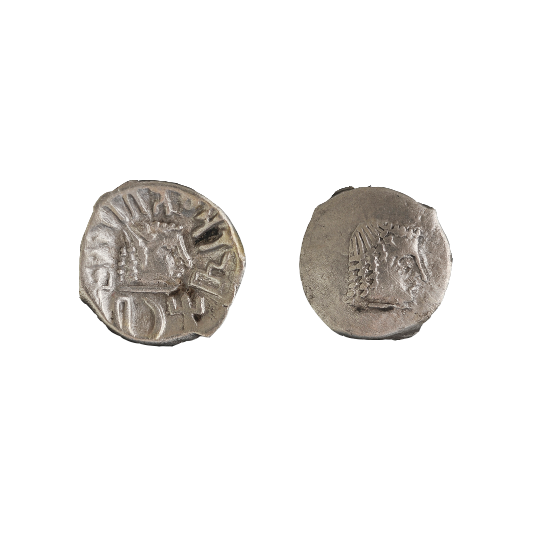
The gallery is open for visitors
Situated on the ground floor, the Pre-Islamic Period Gallery captures the era from the fourth century CE until the Prophetic mission. Within this gallery, visitors can embark on a journey through renowned Arab markets, listen to excerpts of historical poetry and rhetoric and delve into the diverse cultural, social and political aspects that characterized the Arabian Peninsula during that period.
Al Ukhdud - Najran
Third century CE - Fifth century AD
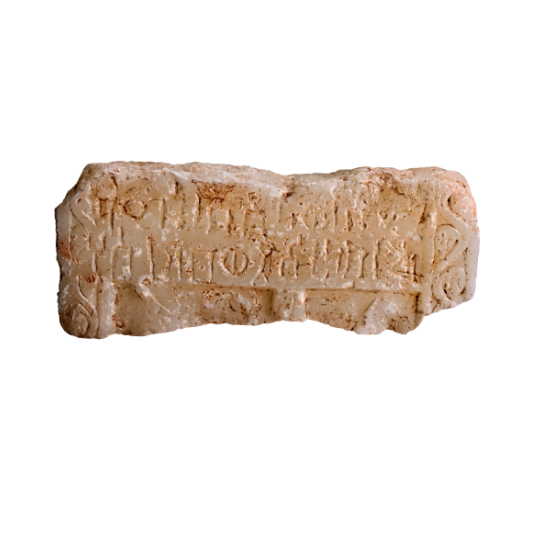
Al Ukhdud - Najran
Fourth century - Sixth century AD
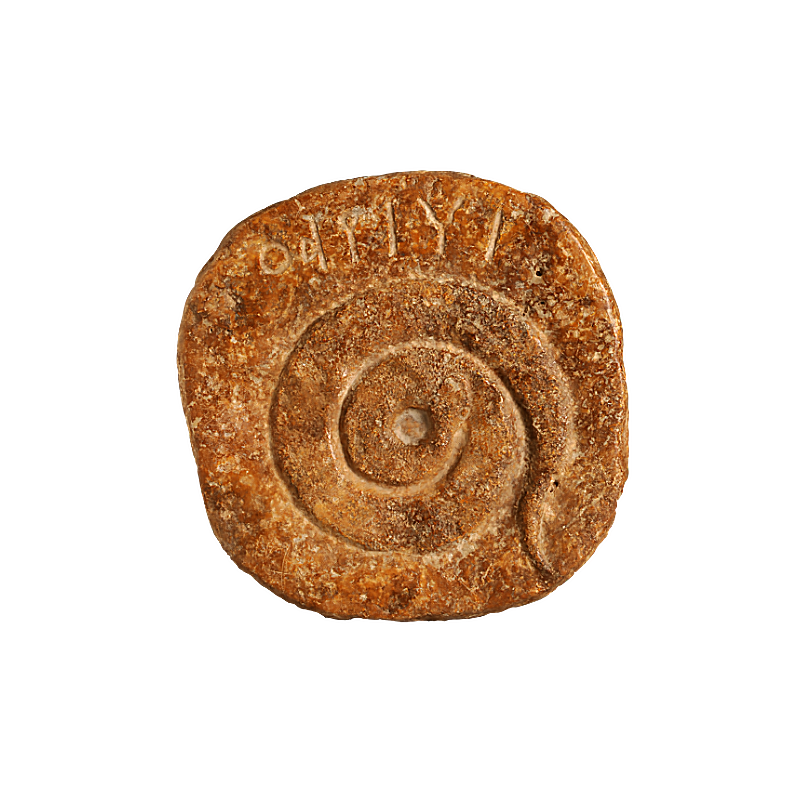
Najran
First century CE - First century AD
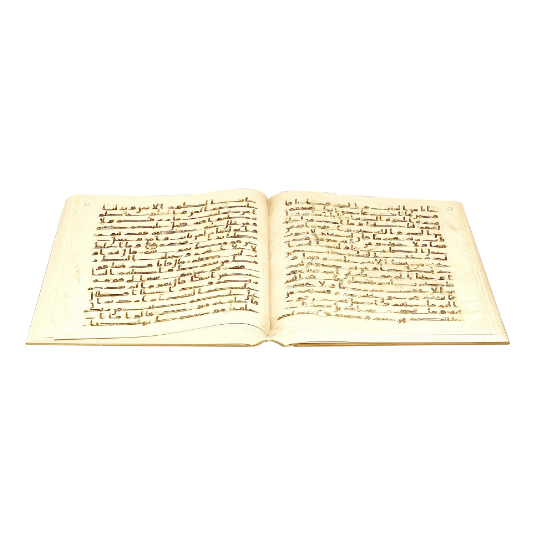
The gallery is open for visitors
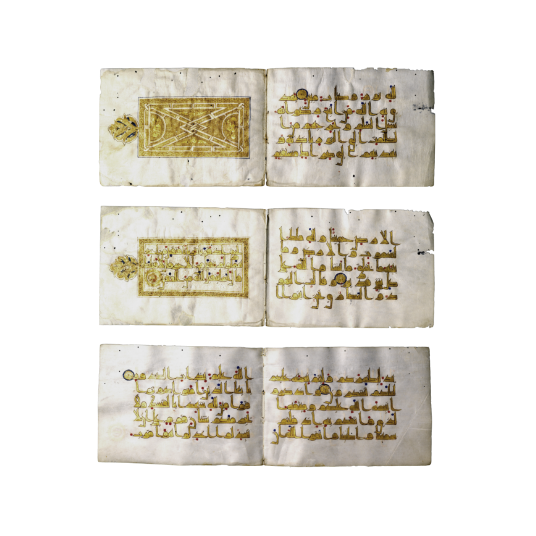
Situated on the first floor of the museum, the Prophet’s Mission Gallery sheds light on the life journey of Prophet Muhammad (PBUH). This gallery encompasses significant aspects such as his lineage, birth, and life. Among the exhibited materials are manuscripts of the Holy Quran, some of which date back to the era of Caliph Uthman ibn Affan - may Allah be pleased with him-. Approaching the fifth gallery, you will encounter a sizable rectangular ceramic mural that vividly depicts the Prophet’s journey (PBUH) from Makkah to Madinah. This captivating mural incorporates drawings, audio elements and written descriptions.
30 AH / 650 AD
The gallery is open for visitors
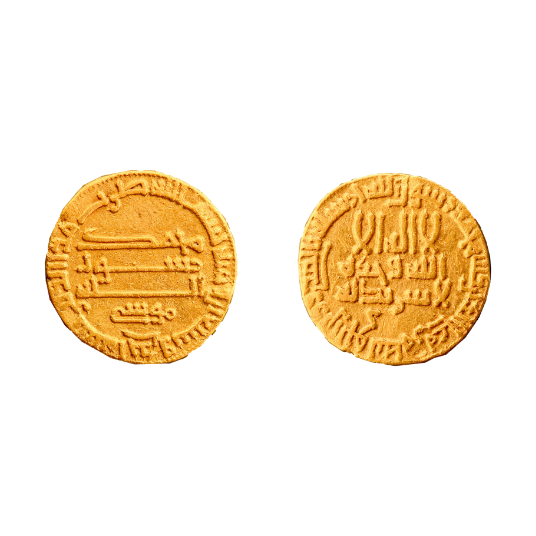
The Islam and the Arabian Peninsula Gallery showcases significant events in the biography of Prophet Muhammad (PBUH), extending to his death. This period marked the emergence of the Rashidun Caliphate, followed by the Umayyad, Abbasid and Mamluk eras. The gallery contains precious items and valuable artifacts, highlighting the most outstanding objects that illustrate the notable advancements during Islamic eras, particularly in areas such as architecture, Arabic calligraphy, theoretical sciences and natural sciences.
Third century CE - Ninth century AD
171 AH - 788 AD
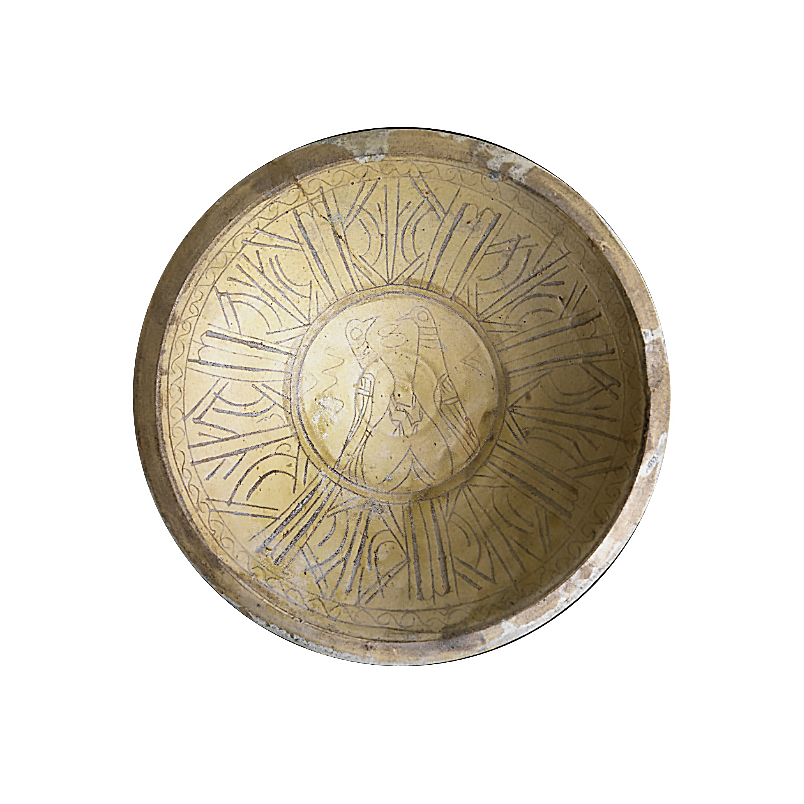
Al Jubail, Eastern Province
Fifth century - Eleventh century AD
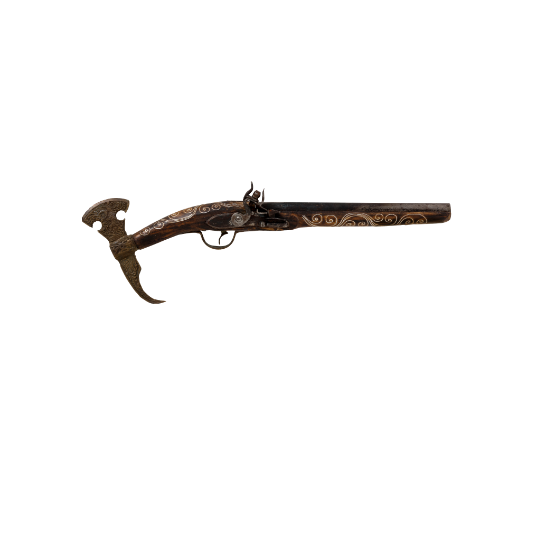
The gallery is open for visitors
Adjacent to the fifth gallery, the sixth gallery chronologically showcases the progressive stages of the Saudi state. It starts with the inception of the first Saudi state in 1727 CE, encompassing the significant historical events that took place until the era of the second Saudi state under the leadership of Imam Turki bin Abdullah. The gallery houses an array of models and artifacts from these two distinct periods of the Kingdom’s history, including glimpses into everyday life in Diriyah.
Riyadh
Thirteenth century AH - Nineteenth century AD
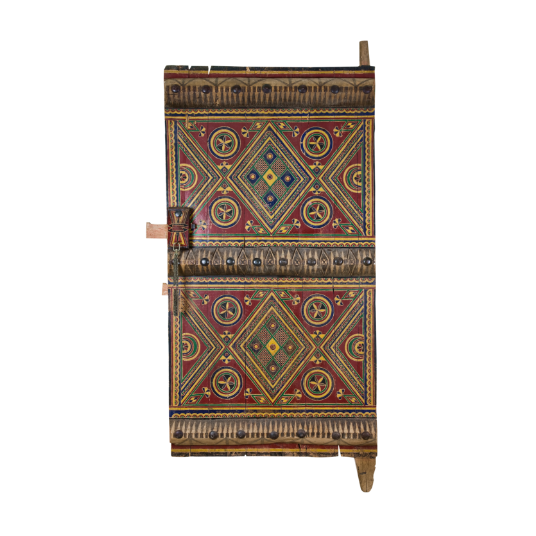
Riyadh
Thirteenth century AH - Nineteenth century AD
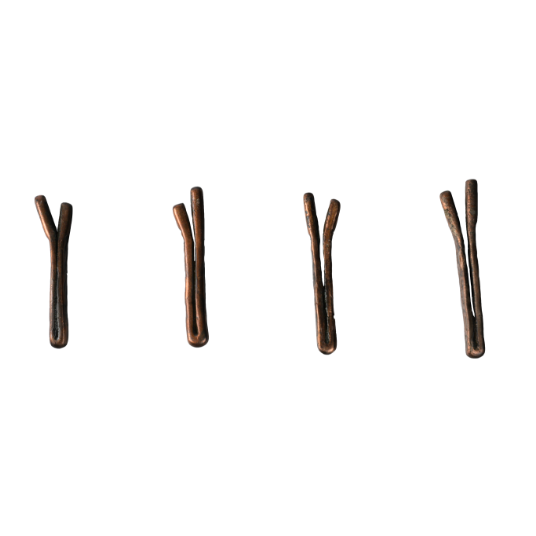
Eastern Province
Twelfth century AH - Eighteenth century AD

The gallery is open for visitors
The Unification Gallery showcases artifacts that pertain to the founding of the modern Saudi state by King Abdulaziz Al Saud in 1351 AH / 1932 CE.
Riyadh
Fourteenth century AH - Twentieth century AD
Riyadh
Fourteenth century AH - Twentieth century AD
A silver ornament decorated with vibrant colored stones.
Riyadh
Fourteenth century AH - Twentieth century AD
The gallery is temporarily closed
Situated on the ground floor just below the seventh gallery, the Hajj and Two Holy Mosques Gallery can be accessed via stairs or an elevator. It is a permanent exhibition dedicated to highlighting the significance of performing Hajj rituals from the early days of Islam until the present time. Within this gallery, visitors can explore the notable sites of the Two Holy Mosques in Makkah and Madinah. One of exhibition's highlights is a detailed display of a sample of Kiswah Al Kaaba, the cloth covering the Kaaba, featuring intricate embroidery with silk and silver threads,and historical engravings carved by pilgrims. Additionally, the gallery includes three models that comprehensively represent Makkah region, the Grand Mosque (Masjid Al Haram) and the Prophet’s Mosque (Al-Masjid an-Nabawi), illustrating their size and scope.
Al-Masjid an-Nabawi - Region Al-Madinah Al-Munawara
From the tenth century AH to the thirteenth century AH - from the sixteenth century AD to the nineteenth century AD
A green cloth bag, adorned with embroidered reeds. On the front of the bag, the phrase "There is no god but Allah, and Muhammad is the Messenger of Allah" is inscribed, while the back bears the phrase "He is the Beloved whose intercession is hoped for." This bag is specifically used for holding the key to the holy chamber.
Darb Zubaydah, Iraqi pilgrimage route
Second century AH - Eight century AD
Al-Masjid an-Nabawi - Region Al-Madinah Al-Munawara
Tenth century AH - Sixteenth century AD
The gallery is open for visitors