Philosophy Between East and West:
Concepts, Origins, and Mutual Influences

Riyadh International Philosophy Conference

Philosophy Between East and West: Concepts, Origins, and Mutual Influences

The fifth Riyadh International Philosophy Conference, “Philosophy Between East and West: Concepts, Origins, and Mutual Influences,” provides philosophers and scholars from around the world a platform to explore the intellectual and philosophical connections between East and West, and to examine the interactions and reciprocal influences that have shaped human thought throughout history.

+ 0

Local & International Speakers

+ 0

Panel Discussions

+ 0

Local & International Partners

Conference Objectives

Philosophical Origins in East and West and Their Impact on Human Thought
Tracing the Mutual Influences of Eastern and Western Philosophies Through the Ages
Emphasizing Intellectual Connections Between Cultures and Building Bridges Through Philosophy
The Role of Non-Western Philosophies in Shaping Global Thought
Exploring Wisdom from Eastern and Western Philosophies to Address Contemporary Challenges

Conference Themes

The Nature of Philosophy

Philosophy’s Origins in the East and West
Eastern and Greek Philosophy: Sources, Influence, and Interaction
Islamic Philosophy: Structure, Sources, and Contributions
Philosophical Interactions Between East and West in the Modern Era
Philosophy Between East and West: Towards a Multicultural Understanding

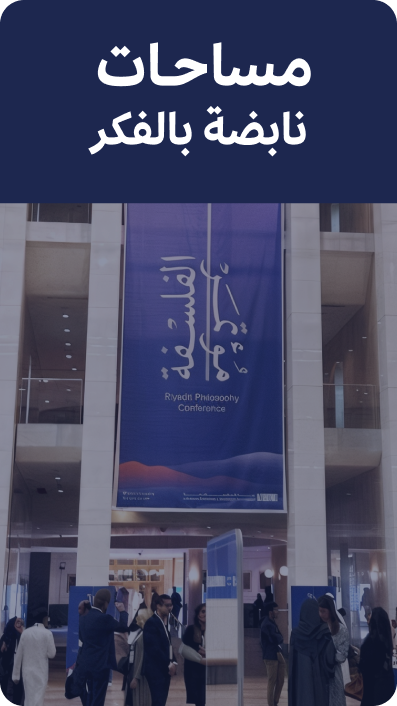
Thoughtful Spaces

Dialogue Sessions

A meeting point for thinkers and philosophers from around the world to explore key philosophical questions and exchange insights between East and West, inspiring visitors through open discussions.

Workshops

Interactive sessions that deepen philosophical understanding and enhance critical and creative thinking, led by experts bridging theory with practice.

Experiential Activities

Live experiences that translate philosophy into art and everyday life through visual and interactive expressions, making it closer to everyone.

Children and Youth Workshops

Engaging sessions that encourage free thinking and curiosity among young participants, introducing philosophy through simple and enjoyable experiences.

Philosophical Debates

Interactive platforms that bring together thinkers and youth in refined dialogue, highlighting diverse perspectives and the depth of human thought. They aim to build a culture of constructive discussion and strengthen reasoning and dialogue skills.

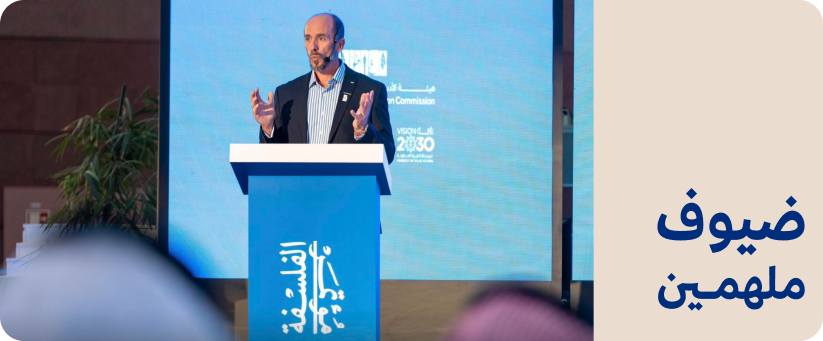
Inspiring Speakers

Dr. Hamo Elnagary

Moroccan researcher and academic, Professor of Philosophy at Mohammed V University in Rabat, specializing in modern and contemporary philosophy.
Dr. Abderrazak Belagrouz

Contemporary Algerian philosopher specializing in the philosophy of values and knowledge, and Professor at the University of Setif. Among his key works is Transformations of Modern Philosophical Thinking: Questions on Concept, Meaning and Connection.

Dr. Abdullah Al-Buraidi

Saudi writer and thinker specializing in social and human sciences, and academic at Qassim University.

Dr. Khalid Al-Bakr

Professor of Philosophy at King Saud University in Riyadh, specializing in Islamic philosophy and modern philosophical thought in the Arab world.

Dr. Faisal Al-Shahrani

Saudi academic and researcher in philosophy, with studies focused on moral philosophy and Islamic thought.

Dr. Abdulaziz Barghouth

Tunisian researcher and academic interested in Islamic thought and philosophy, with works on the philosophy of values and intellectual reform.

Dr. Badr Al-Din Mustafa

Professor of Aesthetics and Contemporary Philosophy at Cairo University. His works include Postmodernism: Philosophy and Art, Visual Culture, and Paths of Postmodernism.

Dr. Latifa Al-Mayouf

Professor of Intellectual Doctrines in the Department of Islamic Studies at King Saud University.

Prof. Dr.Idriss Al-Jabri

Moroccan thinker and academic interested in philosophy, Islamic thought, and critical theory, with contributions that bridge philosophy and the human sciences.

Key Questions

Can philosophy be considered a shared human activity across all cultures, or is it a phenomenon tied to specific civilizational contexts?
Did philosophy originate solely in Greece, or do its roots extend to the ancient civilizations of the East, such as Egypt, Mesopotamia, India, and China?
How did Greek philosophy engage with Eastern philosophies, and what mutual influences shaped human thought across the ages?
What were the intellectual contributions of Islamic philosophy, and how did they influence Western thought during the Middle Ages and the Renaissance?
How can philosophy be redefined to be more inclusive and pluralistic, emphasizing the role of non-Western philosophies in the global philosophical dialogue?
What role does philosophy play in promoting dialogue and building intellectual bridges between East and West today?
How can philosophy contribute to addressing contemporary intellectual and ethical challenges by drawing on the wisdom of Eastern and Western traditions?

Enriching Partnerships

FAQs

Where is the conference held?

  • The Riyadh International Philosophy Conference is held at the King Fahd National Library in Riyadh, one of the Kingdom’s leading cultural landmarks.

Is pre-registration required?

  • Yes, pre-registration is recommended through the following link: https://webook.com/en/events/riyadh-international-philosophy-conference-2025-moc Some sessions and workshops have limited seats and may require prior booking.

Is it suitable for children and youth?

  • Yes, there is a dedicated area for children and youth with interactive activities that encourage curiosity and critical thinking in a safe and fun environment.

How long does the conference last?

  • It runs for three days, from December 4 to 6, 2025, with a full program of sessions, workshops, and accompanying events.

Who will participate in the conference?

  • Over 60 local and international thinkers will share their philosophical insights.