4-6 December, 2025
Jeddah, kingdom of Saudi Arabia
About The Conference
The Architecture and Design Arts Commission is pleased to announce the second edition of the Architecture and Design Research Conference (ADRC 2025), under the title:
Documentation in Architecture and Design.
This year's conference theme focuses on documentation theories and practices in the fields of architecture and design, to include architecture, environmental architecture, urban design, interior design, graphic design, and industrial design
Therefore, this conference seeks to explore and establish practices for documenting material elements, as well as documenting the intangible cultural and theoretical ideas that accompany them. We also seek to develop a comprehensive understanding of documentation that includes theoretical movements and design philosophies and their physical embodiment in the built environment by fostering dialogue and collaboration between different disciplines. To ensure that the rich legacy of architectural and design achievements remains available and relevant, inspiring future generations and maintaining its integral place in our collective historical and cultural narrative, the conference aims to:

Documentation Theory
Explore and analyze evolving theories in documentation within architecture and design practices and develop methodologies that shed light on how these frameworks influence the formation of contemporary and future design.

Cultural and Historical Impact
Document how architectural and design projects are shaped and influenced by cultural and historical contexts, and how they are influenced by them, contributing to a deeper understanding of their societal impact.

Integration of tangible and intangible elements
Develop and explore innovative methodologies that effectively integrate intangible theoretical aspects and tangible results in architecture and design practices creating a comprehensive archive of concepts.

Interdisciplinary collaboration
Promote collaboration between different disciplines to increase the richness and accuracy of documentation and benefit from diverse perspectives to monitor all design impacts and outcomes.
Conference & Tracks
The conference invites researchers, academics, practitioners, and students in architecture and design fields to present their researching one of the five conference tracks. We welcome submissions that explore the following themes within the local context of Saudi Arabia as well as from international perspectives, enriching our dialogue with diverse global insights and practices.
Documentation Strategies, Policies, and Methodologies
This track explores broad frameworks and adaptable strategies for documenting tangible and intangible elements across all subsectors of architecture and design. The emphasis is on policy development, governance structures, and institutional collaborations that support documentation practices, with a focus on developing general methodologies and creating documentation systems applicable in diverse contexts.
Education and Future of Documentation:
This track explores innovative teaching methods and integration digital tools to improve documentation practices in architecture and design education. It also considers how emerging technologies and contemporary movements are shaping the future of documentation. Emphasis is placed on how digital tools can enhance the educational process and the practical documentation of design.
Advanced Documentation Technologies
This track investigates the impact of advanced technologies on architecture and design documentation, emphasizing how tools such as Building Information Modeling (BIM), 3D scanning, and digital archiving influence project outcomes and enhance collaboration throughout the design process.
Cultural and Physical Documentation
This track explores methods for documenting tangible and intangible cultural elements. It emphasizes the role of design in capturing intangible aspects such as traditions, narratives, and heritage. Best practices and strategies for documenting these elements are also discussed.
Curating the Archives
This track investigates the intersection of curatorial practice with architectural and design archives, emphasizing how curated documentation informs practice, education, and public engagement. It covers methods for organizing and presenting archives, balancing physical and digital tools to meet sector-specific needs. Real-world case studies demonstrate the impact of thoughtful curation on knowledge transfer, cultural preservation, and design storytelling.
We also welcome submissions on any topics related to architecture and design documentation that may not be addressed into the outlined tracks, it will be considered under a general track designed to embrace a broad range of topics.
Prince Nawaf bin Ayyaf
A Journey into Architecture Archives: Beirut, Cairo, Rabat
Dr. George Arbid
Designing the Archive: National Strategies for Documenting Saudi Architecture and Design
Bader Alrasheed
Taha Alandejani
Reda Sejini
Decoding the Orientalist Documentation of Islamic Architecture and Urbanism — Dr.Abeer Allahham
Semantic Mapping and Cultural Memory: Documenting Riyadh Architectural Identity — Dr. Fahad Alotaibi
Strategic Frameworks for Architectural Documentation: Policies, Methodologies, and Institutional Collaboration — Fahad Allahaim
From Tradition to Design: New Urbanism as an Interpretive Practice for Tangible and Intangible Heritage — Dr. Khalid Al-Hagla
Track 2: Education and Future Documentation | Track 4: Cultural and Physical Documentation
• From Scan to Simulation: A Workflow for virtual Documentation of AlUla’s Archaeological Heritage — Huda Alarfaj
• بيت الشَّعر: دراسة في الأبعاد الثقافية والتصميمية كعنصر من التراث غير المادي (دراسة تحليلية لبيت الشَّعر- بمدينة تبوك) — Mona Albalawi
• التأصيل وأثره في عمليات الحفاظ المعماري ودوره في تعزيز ربط المباني المعاصرة بالتراث والهوية — Afnan Alnefaie
• Architecture of Memory : Narrative as a Living Archive for Heritage Spaces — Serine M'rah
From Participation to Documentation: Mapping Two and a Half Decades of Children’s Involvement in Participatory Design — Dr. Fatimah Alsaif
Towards a Participatory Framework for Urban and Architectural Documentation: AlSeddah “السّدة” The Living Archive of Spatial Memory — Khadijah Al Khuwaitem
Documenting the Intangible: Expanding Ethnographic Frameworks for the Historic Built Environment. — Dr. Anwar Basunbul
Eco-Innovation in Creative SMEs in Saudi Arabia: Documentation of Drivers, Barriers, & Stakeholder Interactions — Raghad Sendi
Track 4: Cultural and Physical Documentation
تحولات المسكن والمجتمع في مدينة الدمام — Dr. Fatima Reda
Saudi Sands: Mapping Saudi Stories through sand and Pigment the Exploration and Extraction Phase — Lojain Alamri
التحولات الحضرية وأثر التوسع العمراني على الهوية الثقافية للمكان - وادي عتود نموذجًا — Dr.Amnah Khubrani
The impact of Saudi visual identity on industrial designers’ outcomes — Haneen Alkhaldi
Prof. Carlo Bianchini
Dr. Haidar Hosamo
Built Narratives: The Architectural and Urban Narrative of the Kingdom of Saudi Arabia
Dr. Mohammed Alkhabbaz
Dr. Amer Habibullah
Dr. Ayad Al-Maimani
Dr. Ali Bokhari
From Archive to Audience: Contemporary Practices of Documentation in Architecture and Design
Abdulrahman Gazzaz
Lulu Almana
Beatrice Leanza
Activating Archives Theorizing Wright’s Organic Teaching Dr. Mohammad Alrajhi
Egyptian and Saudi Arabian Architectural Archives: The Family-Led Role in Preservation Prof. Shaimaa Ashour
Multiplicities of the Margin/ Re-Imagining Historical Narratives of the South Western Coast of India (Karwar to Kasargod) Deepika Madhava
Temporary Spaces as Mediums for Documenting Time in Space; Narrative Tools for Site Study and Urban Interventions
Dr. Sukaina Almousa
Track 4: Cultural and Physical Documentation
Documenting Implications of Ethnographic Research on Design Practices of Cultural Sustainable Crafts — Prof. Noha Essam
إرث اللاجئين في الفضاء العمراني: حالة مخيم الحسين في عمّان- الأردن — Nour AL-Asaa'd
Environmental Adaptation and Socio-cultural Mitigation Approached in Architectural Built-form: the case of Vernacular Red Sea Architecture at Suakin, Sudan — Elobaid Mohammedali
Cross-Cultural Continuities in Red Sea Architecture: A Comparative Documentation of Jeddah and Suakin — Arwa Omer
Traditional and Transformation: Comparative Documentation of Mosques in Central KSA for Digital Twin Approach to Authenticity Preservation — Dr. Mohammed Alghafis
تطوير الملقف التقليدي بدمج العناصر الحديثة لتعزيز الاستدامة في العمارة السعودية — Norah Fawzan
Preserving the Past Through the Future: Leveraging Digital Twin Technology to Document Cultural Heritage in Historic Jeddah — Prof. Samah Elkhateeb
Integrating Laser Scanning into Heritage BIM Workflows: A Practical Approach from Historic Jeddah — Sara Majed
Track 4: Cultural and Physical Documentation
الشكل والمفاهيم في سياق التغيير: العمارة السودانية بين الإيكولوجيا والتحولات الأسلوبية (1980–2010) — Dr. Shama Elrasheed
تطبيق مبادئ مبادرة منار في استغلال مخلفات النخيل بتصميم وتنفيذ قطع الأثاث — Arwa Alwaqdan
تصميم الأثاث العسيري كتراث مادي بين التوثيق والتحديث — Dr.Wessam Ezzeldin
Slow Documentation as Creative Agency: Reframing Heritage through the Lyngør Residency — Bashayr Alfehaed
Dr.Zati Ismail
Dr. Albena Yaneva
Redefining Documentation: AI, XR, and the Next Generation of Archival Tools
Christain Brensing
Dr. Ahmad Baik
Dr. Duha Engawi
Post-Occupancy Evaluation for the KSA Pavilion at Expo Osaka 2025
Adam Davis, Jainnan Luo
Fast and Slow Affordances: A Framework for Documenting Tangible and Intangible Dimensions of Expatriate’s Adaptation in a Gated Community- Ruba Al Soufi
Balcony-Access Housing: A Modern, Socially Acceptable Alternative to Conventional Housing for Addressing Informal Settlements in Aleppo — Dr. Asser Alhamoud
Human and habitat : Humanizing Habitat versus Robotizing Inhabitants — Riyad Samkary
The Urban Heritage of the Eastern Coast of Saudi Arabia: Towards Sustainable Cultural Governance and Comprehensive Documentation Methodologies — Fahdah Ofaissan
Track 2: Education and Future Documentation
| Track 4: Cultural and Physical Documentation
التوثيق كفعل حيّ: تقاطع الرؤى بين السينوغرافيا الحدثية والتصميم العمراني لإحياء الذاكرة الحضرية – Dr. Salsabil Miled
Exploring Student Behavior and Awareness in Reducing Air Conditioning Dependency — Dr. Mohd Faheem
الاستدامة التكيفية في العمارة الساحلية بجزر فرسان: دراسة حالة قرية القصار كنموذج تطبيقي — Amirah Alsofiany
Environmental Performance Analysis and Sustainable Solutions Aligned with International Standards: A Case Study of Building 6, College of Design and Arts, the University of Jeddah. — Samah Alhazmi
Explore Photography Storytelling as a Tool for Social Change — Dr. Deem Ali
تحليل العلاقة بين حواف الطابق الأرضي وحيوية الشارع: الحالة الدراسية شارع العليا، الرياض — Somayah Alfraidi
Quality of Life in Retirement Care Centers — Jana Fahad
المباني تتحدث: كيف يعيد الذكاء الاصطناعي تشكيل التوثيق المعماري والسلامة من الحرائق في السعودية — Ahmed Hamad
Track 3: Advanced Documentation Technologies
Evolving Trends in Architecture and Design Documentation Process and Procedure Towards Sustainability — Osunkunle Abdulmageed
The Role of 3D Construction Printing in Promoting Sustainable Building Practices: A Case Study from Saudi Arabia — Zakiah Altehaini
جودة التوثيق و دوره في حصول المشاريع على شهادة الريادة في تصميم الطاقة و البيئة — Haneen Bahri
Dr. Roberto Fabbri
Dr. Ayman Akil, Dr. Nicolas Teeny
Building Sharjah: Archiving the Last Boom Town
Sheikh Sultan Al-Qassemi
Prince Nawaf bin Ayyaf
A Journey into Architecture Archives: Beirut, Cairo, Rabat
Dr. George Arbid
Designing the Archive: National Strategies for Documenting Saudi Architecture and Design
Bader Alrasheed
Taha Alandejani
Reda Sejini
Decoding the Orientalist Documentation of Islamic Architecture and Urbanism — Dr.Abeer Allahham
Semantic Mapping and Cultural Memory: Documenting Riyadh Architectural Identity — Dr. Fahad Alotaibi
Strategic Frameworks for Architectural Documentation: Policies, Methodologies, and Institutional Collaboration — Fahad Allahaim
From Tradition to Design: New Urbanism as an Interpretive Practice for Tangible and Intangible Heritage — Dr. Khalid Al-Hagla
Track 2: Education and Future Documentation | Track 4: Cultural and Physical Documentation
• From Scan to Simulation: A Workflow for virtual Documentation of AlUla’s Archaeological Heritage — Huda Alarfaj
• بيت الشَّعر: دراسة في الأبعاد الثقافية والتصميمية كعنصر من التراث غير المادي (دراسة تحليلية لبيت الشَّعر- بمدينة تبوك) — Mona Albalawi
• التأصيل وأثره في عمليات الحفاظ المعماري ودوره في تعزيز ربط المباني المعاصرة بالتراث والهوية — Afnan Alnefaie
• Architecture of Memory : Narrative as a Living Archive for Heritage Spaces — Serine M'rah
From Participation to Documentation: Mapping Two and a Half Decades of Children’s Involvement in Participatory Design — Dr. Fatimah Alsaif
Towards a Participatory Framework for Urban and Architectural Documentation: AlSeddah “السّدة” The Living Archive of Spatial Memory — Khadijah Al Khuwaitem
Documenting the Intangible: Expanding Ethnographic Frameworks for the Historic Built Environment. — Dr. Anwar Basunbul
Eco-Innovation in Creative SMEs in Saudi Arabia: Documentation of Drivers, Barriers, & Stakeholder Interactions — Raghad Sendi
Track 4: Cultural and Physical Documentation
تحولات المسكن والمجتمع في مدينة الدمام — Dr. Fatima Reda
Saudi Sands: Mapping Saudi Stories through sand and Pigment the Exploration and Extraction Phase — Lojain Alamri
التحولات الحضرية وأثر التوسع العمراني على الهوية الثقافية للمكان - وادي عتود نموذجًا — Dr.Amnah Khubrani
The impact of Saudi visual identity on industrial designers’ outcomes — Haneen Alkhaldi
Prof. Carlo Bianchini
Dr. Haidar Hosamo
Built Narratives: The Architectural and Urban Narrative of the Kingdom of Saudi Arabia
Dr. Mohammed Alkhabbaz
Dr. Amer Habibullah
Dr. Ayad Al-Maimani
Dr. Ali Bokhari
Poster Exhibition – Documentation Exhibition
From Archive to Audience: Contemporary Practices of Documentation in Architecture and Design
Abdulrahman Gazzaz
Lulu Almana
Beatrice Leanza
Activating Archives Theorizing Wright’s Organic Teaching Dr. Mohammad Alrajhi
Egyptian and Saudi Arabian Architectural Archives: The Family-Led Role in Preservation Prof. Shaimaa Ashour
Multiplicities of the Margin/ Re-Imagining Historical Narratives of the South Western Coast of India (Karwar to Kasargod) Deepika Madhava
Temporary Spaces as Mediums for Documenting Time in Space; Narrative Tools for Site Study and Urban Interventions
Dr. Sukaina Almousa
Track 4: Cultural and Physical Documentation
Documenting Implications of Ethnographic Research on Design Practices of Cultural Sustainable Crafts — Prof. Noha Essam
إرث اللاجئين في الفضاء العمراني: حالة مخيم الحسين في عمّان- الأردن — Nour AL-Asaa'd
Environmental Adaptation and Socio-cultural Mitigation Approached in Architectural Built-form: the case of Vernacular Red Sea Architecture at Suakin, Sudan — Elobaid Mohammedali
Cross-Cultural Continuities in Red Sea Architecture: A Comparative Documentation of Jeddah and Suakin — Arwa Omer
Traditional and Transformation: Comparative Documentation of Mosques in Central KSA for Digital Twin Approach to Authenticity Preservation — Dr. Mohammed Alghafis
تطوير الملقف التقليدي بدمج العناصر الحديثة لتعزيز الاستدامة في العمارة السعودية — Norah Fawzan
Preserving the Past Through the Future: Leveraging Digital Twin Technology to Document Cultural Heritage in Historic Jeddah — Prof. Samah Elkhateeb
Integrating Laser Scanning into Heritage BIM Workflows: A Practical Approach from Historic Jeddah — Sara Majed
Track 4: Cultural and Physical Documentation
الشكل والمفاهيم في سياق التغيير: العمارة السودانية بين الإيكولوجيا والتحولات الأسلوبية (1980–2010) — Dr. Shama Elrasheed
تطبيق مبادئ مبادرة منار في استغلال مخلفات النخيل بتصميم وتنفيذ قطع الأثاث — Arwa Alwaqdan
تصميم الأثاث العسيري كتراث مادي بين التوثيق والتحديث — Dr.Wessam Ezzeldin
Slow Documentation as Creative Agency: Reframing Heritage through the Lyngør Residency — Bashayr Alfehaed
Dr.Zati Ismail
Dr. Albena Yaneva
Poster Exhibition – Documentation Exhibition
Redefining Documentation: AI, XR, and the Next Generation of Archival Tools
Christain Brensing
Dr. Ahmad Baik
Dr. Duha Engawi
Post-Occupancy Evaluation for the KSA Pavilion at Expo Osaka 2025
Adam Davis, Jainnan Luo
Fast and Slow Affordances: A Framework for Documenting Tangible and Intangible Dimensions of Expatriate’s Adaptation in a Gated Community- Ruba Al Soufi
Balcony-Access Housing: A Modern, Socially Acceptable Alternative to Conventional Housing for Addressing Informal Settlements in Aleppo — Dr. Asser Alhamoud
Human and habitat : Humanizing Habitat versus Robotizing Inhabitants — Riyad Samkary
The Urban Heritage of the Eastern Coast of Saudi Arabia: Towards Sustainable Cultural Governance and Comprehensive Documentation Methodologies — Fahdah Ofaissan
Track 2: Education and Future Documentation
| Track 4: Cultural and Physical Documentation
التوثيق كفعل حيّ: تقاطع الرؤى بين السينوغرافيا الحدثية والتصميم العمراني لإحياء الذاكرة الحضرية – Dr. Salsabil Miled
Exploring Student Behavior and Awareness in Reducing Air Conditioning Dependency — Dr. Mohd Faheem
الاستدامة التكيفية في العمارة الساحلية بجزر فرسان: دراسة حالة قرية القصار كنموذج تطبيقي — Amirah Alsofiany
Environmental Performance Analysis and Sustainable Solutions Aligned with International Standards: A Case Study of Building 6, College of Design and Arts, the University of Jeddah. — Samah Alhazmi
Explore Photography Storytelling as a Tool for Social Change — Dr. Deem Ali
تحليل العلاقة بين حواف الطابق الأرضي وحيوية الشارع: الحالة الدراسية شارع العليا، الرياض — Somayah Alfraidi
Quality of Life in Retirement Care Centers — Jana Fahad
المباني تتحدث: كيف يعيد الذكاء الاصطناعي تشكيل التوثيق المعماري والسلامة من الحرائق في السعودية — Ahmed Hamad
Track 3: Advanced Documentation Technologies
Evolving Trends in Architecture and Design Documentation Process and Procedure Towards Sustainability — Osunkunle Abdulmageed
The Role of 3D Construction Printing in Promoting Sustainable Building Practices: A Case Study from Saudi Arabia — Zakiah Altehaini
جودة التوثيق و دوره في حصول المشاريع على شهادة الريادة في تصميم الطاقة و البيئة — Haneen Bahri
Dr. Roberto Fabbri
Dr. Ayman Akil, Dr. Nicolas Teeny
Building Sharjah: Archiving the Last Boom Town
Sheikh Sultan Al-Qassemi
Poster Exhibition – Documentation Exhibition
Scientific Committee
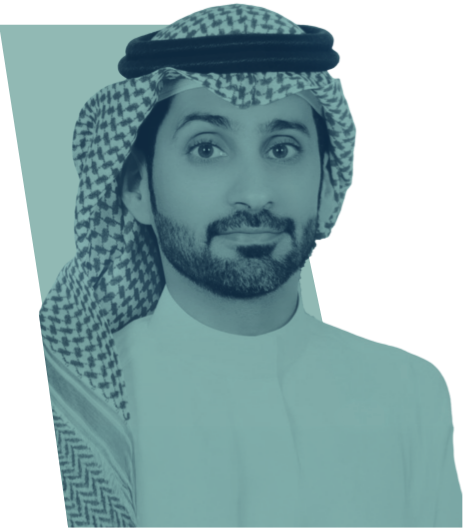
Dr. Fahad Alotaibi
Scientific Committee Chair, Senior consultant at the Architecture and Design Commission

Prof. Adrian Lahoud
Professor and Dean of School of Architecture at Royal College of Art in the UK

Prof. Ashraf Salama
Professor in Architecture and Urbanism, and Head of School of Architecture and Built Environment at University of Northumbria in the UK
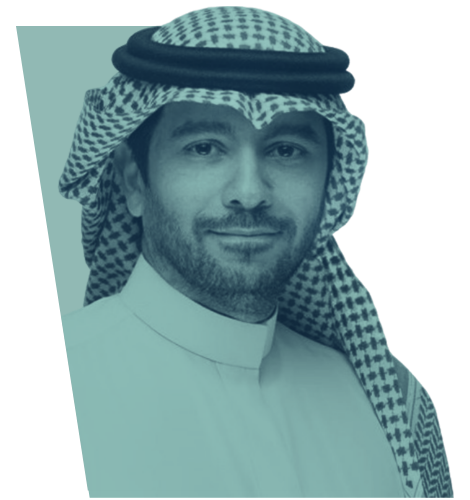
Dr. Ayman Alitany
Assistant Professor at Faculty of Architecture and Planning in King Abdulaziz University

Dr. Abeer Allahham
Associate Professor at College of Design in Imam Abdulrahman Bin Faisal University

Dr. Rezan Gassas
Executive Director in Studies, Research and Publishing at Prince Mohammed Bin Salman Global Center of Arabic Calligraphy
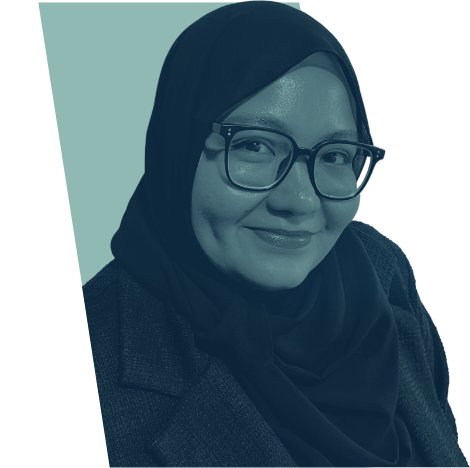
Dr. Zati Ismail
Assistant Professor at the Industrial Design Department in the University of Putra in Malaysia
Keynote Speakers
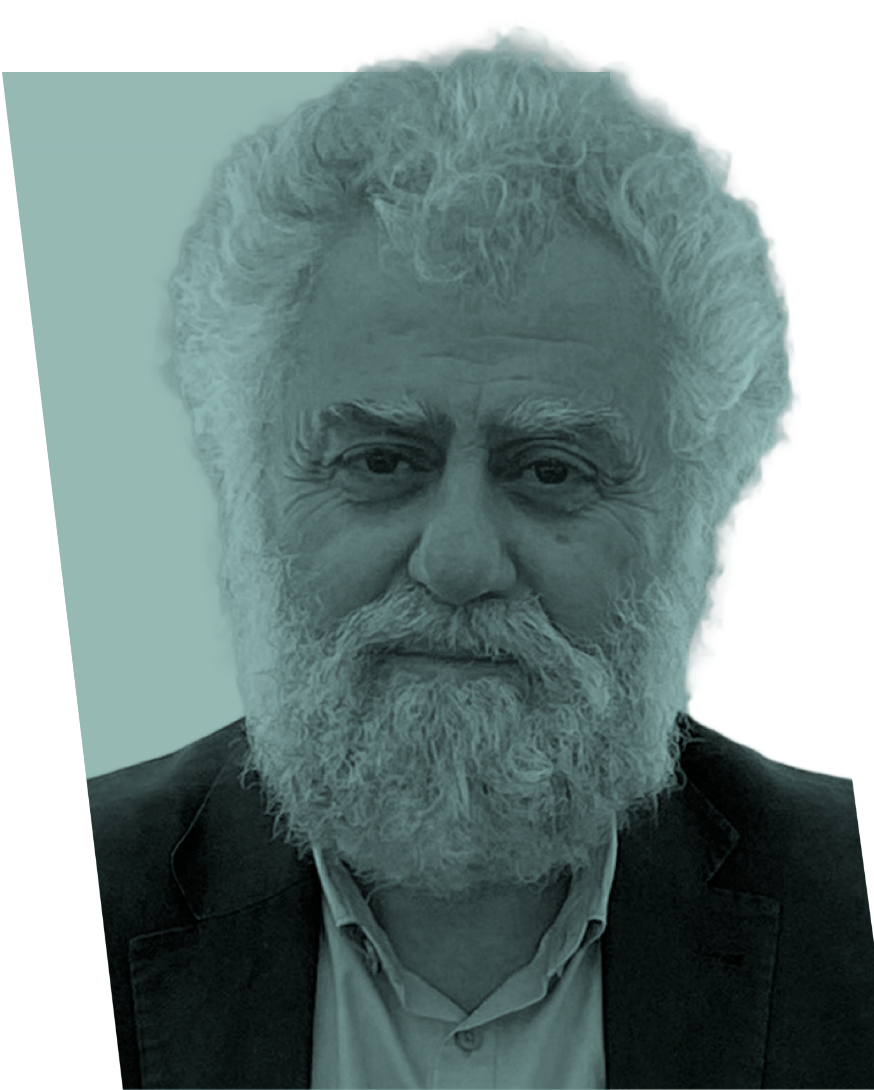
Dr. George Arbid
Architect, Architectural Historian, and Co-Founder of the Arab Center for Architecture (ACA), dedicated to documenting and promoting modern architecture in the Arab world.
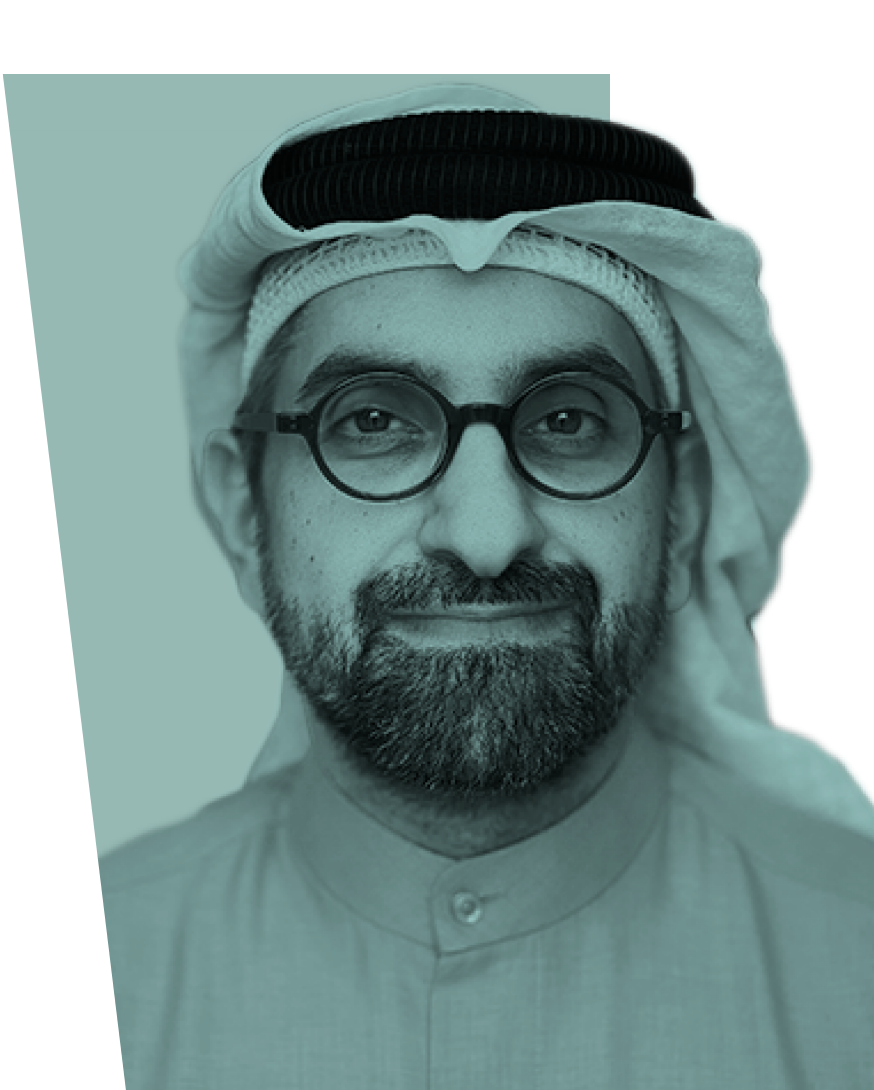
Sheikh Sultan Al-Qassemi
Emirati Columnist and Researcher on social and cultural affairs in the Arab Gulf states, Founder of Barjeel Art foundation, UAE.

Adam davis
Partner and Deputy Head of Applied R+D at Foster + Partners.

Jiannan Luo
Associate Partner and Senior Environmental Design Analyst within Foster + Partners’ Environmental Engineering team







Selection Criteria
All abstract submissions will undergo a double-blind peer review process, with a chance to be selected and published in scholarly scientific journal. Papers will be evaluated based on their:





The conference timeline
 Day 1 December 4, 2025
 9:00 AM to 7:15 PM
Day 2 December 5, 2025
1:00 PM to 8:45 PM
Day 3 December 6, 2025
9:00 AM to 7:45 PM
9:00 AM to 7:15 PM
Day 2 December 5, 2025
1:00 PM to 8:45 PM
Day 3 December 6, 2025
9:00 AM to 7:45 PM
Agenda
To downloadFor submission inquiries, please contact: ADRC@moc.gov.sa
• The applicant must be 18 years of age or older.
• The applicant's personal information must be complete and correct.
• The applicant is committed to complete credibility in all recorded data and is committed to attendance.
• The Architecture and Design Arts Commission has the right to disqualify any applicant without giving any reasons, and without incurring any obligations or compensation of any kind to the Architecture and Design Arts Commission.
• The Architecture and Design Arts Commission has the right to suspend, delay, cancel or change the Terms and Conditions at any time and without prior notice, and the Participant must be aware of any updates to these Terms and Conditions. The Architecture and Design Arts Commission will not announce the changes it makes to these Terms and Conditions.
• The visitor to the venue agrees to the photographs, videos and audio recordings that may be posted on the internet.
• The Architecture and Design Arts Commission is not responsible for any material loss or damages resulting from participation.
• The Architecture and Design Arts Commission is not responsible for the legal proceedings resulting from the violation of any of the laws and regulations before the official authorities.
• The participant acknowledges that all the data entered is correct, and if it turns out otherwise, the participant bears full responsibility, and when any of the entered data and information changes, he undertakes to inform the responsible authority at the Architecture and Design Arts Commission.
• The Architecture and Design Arts Commission has the right to use the information submitted within the scope of the event and is not shared with any third parties.