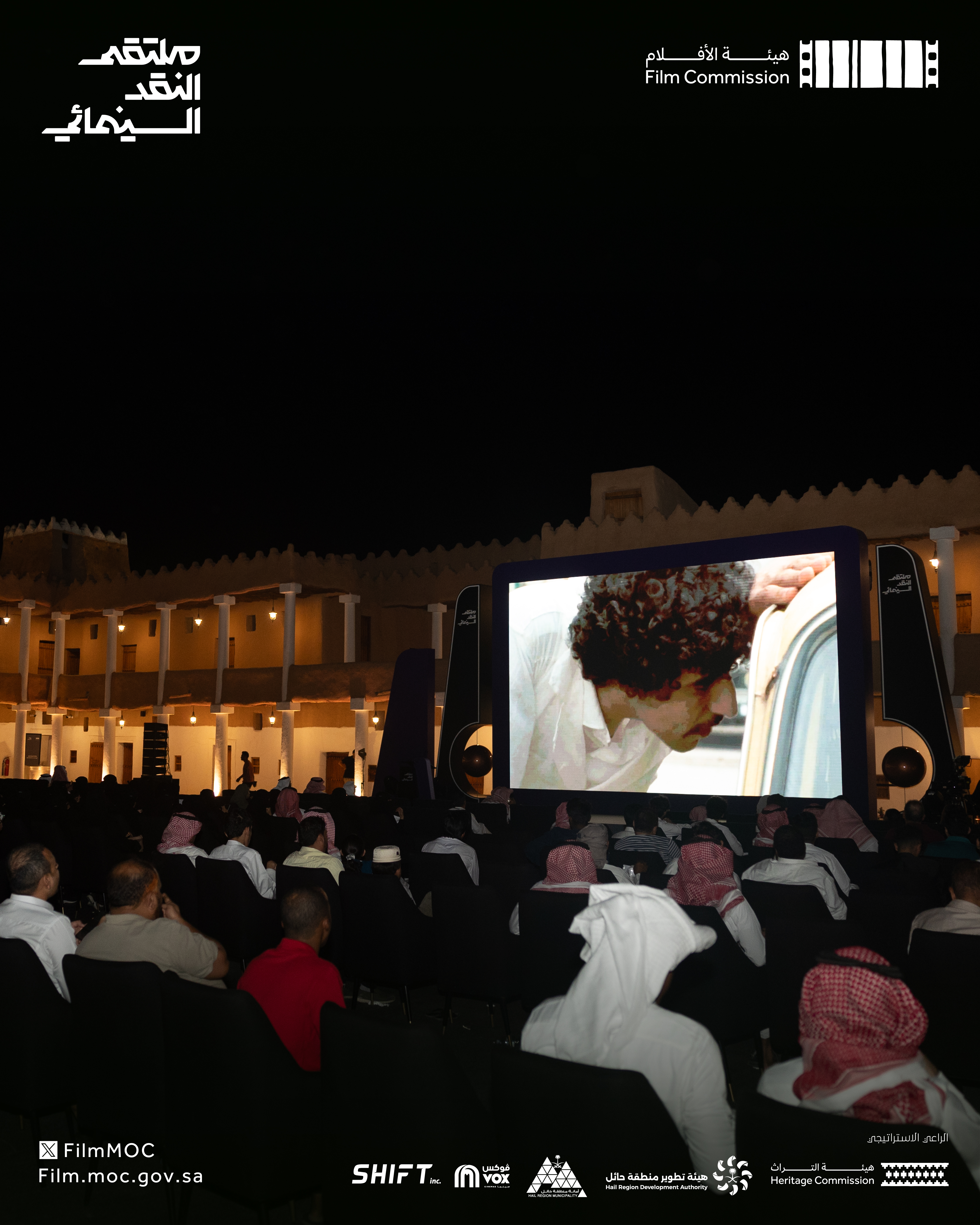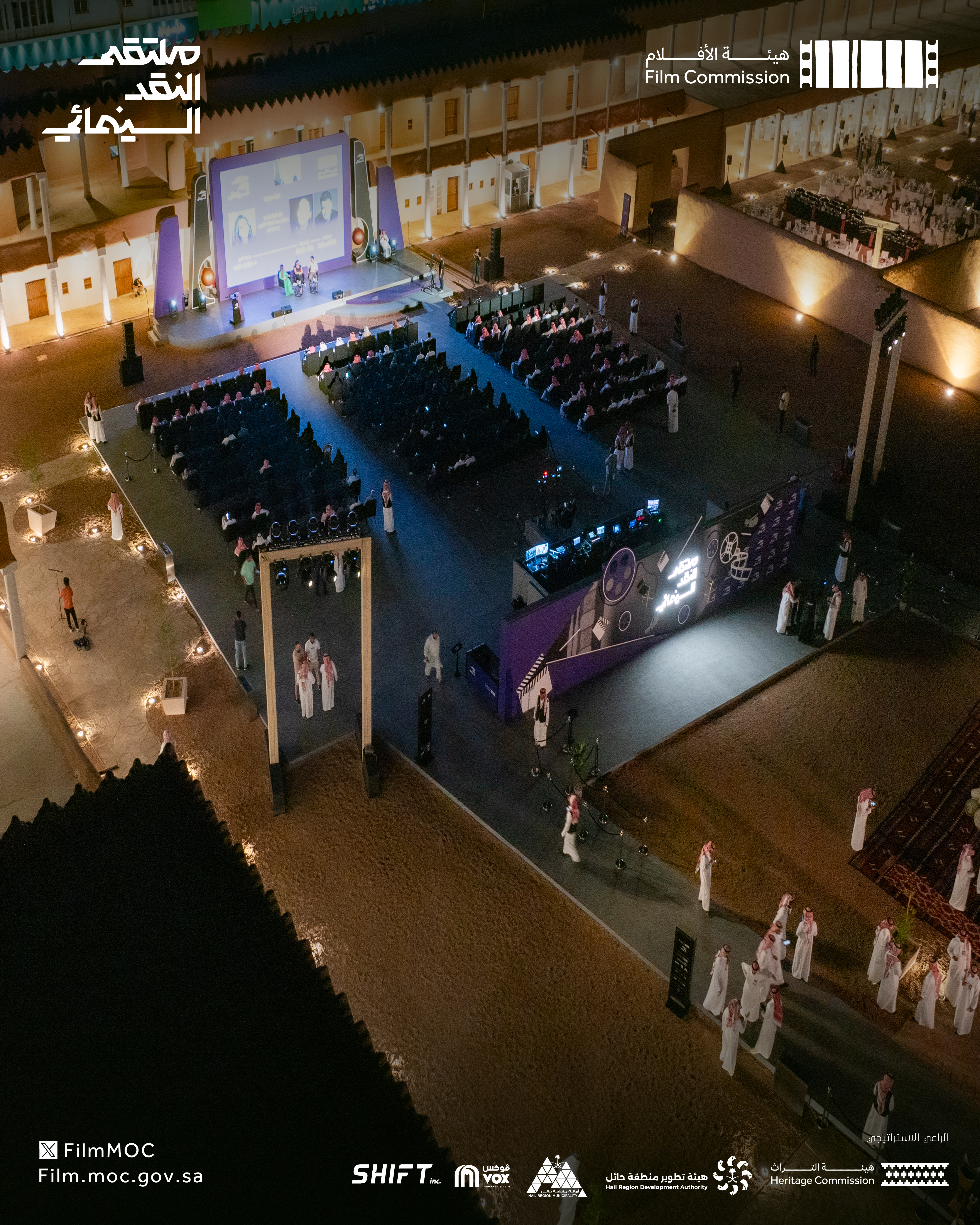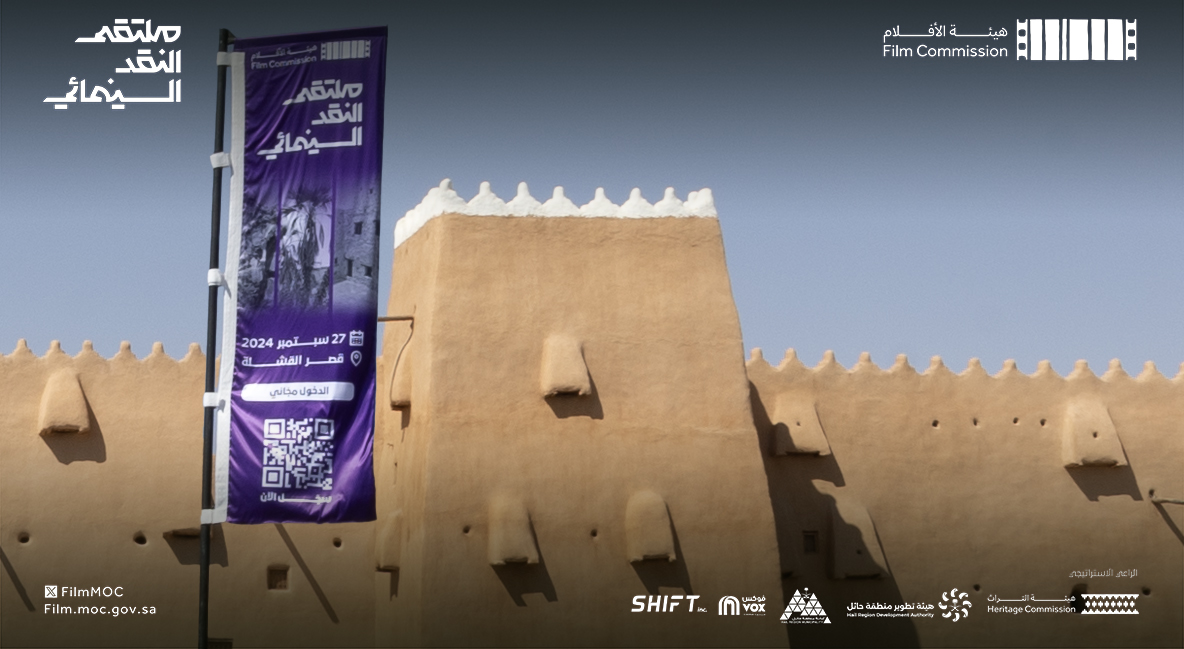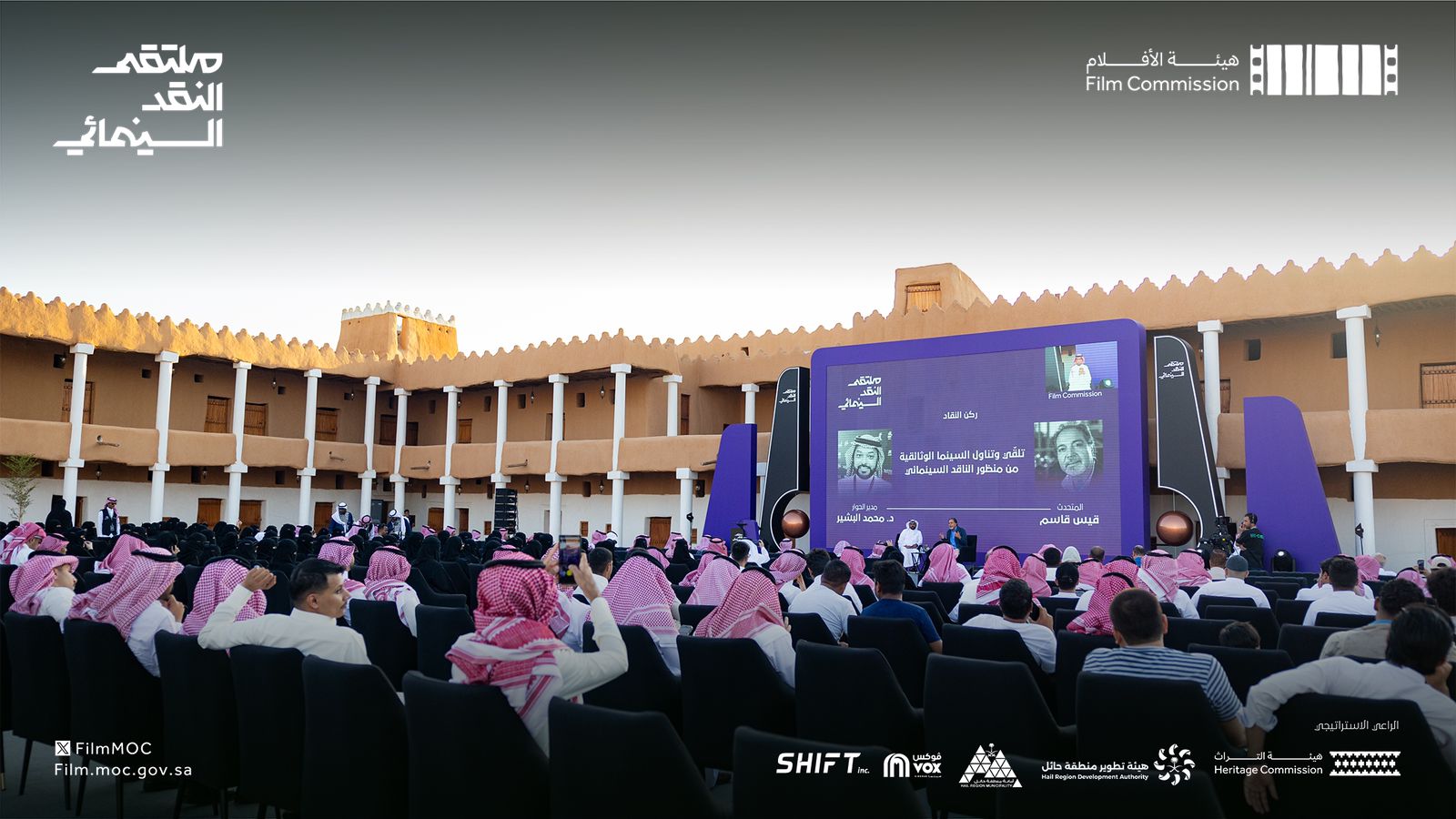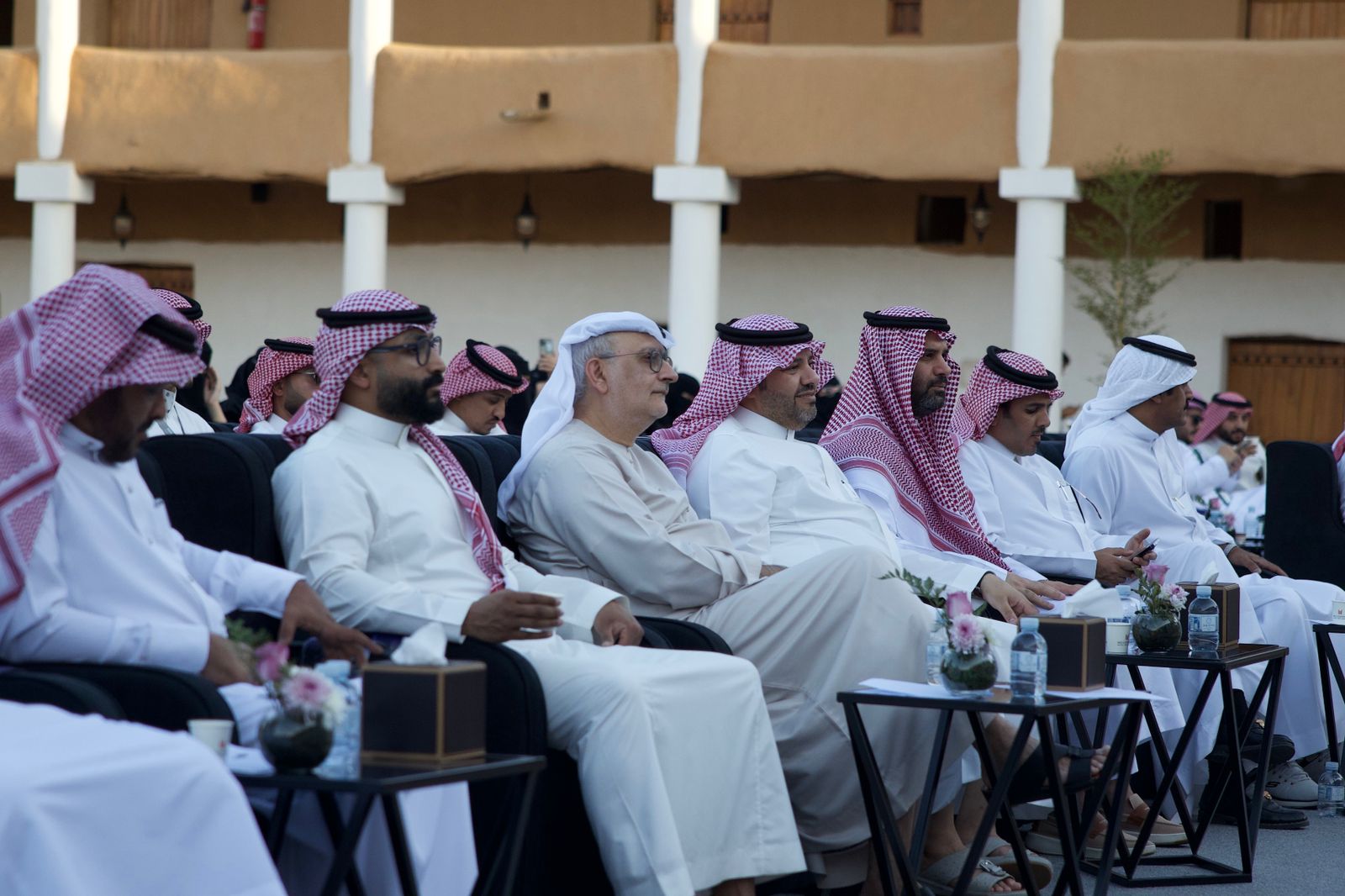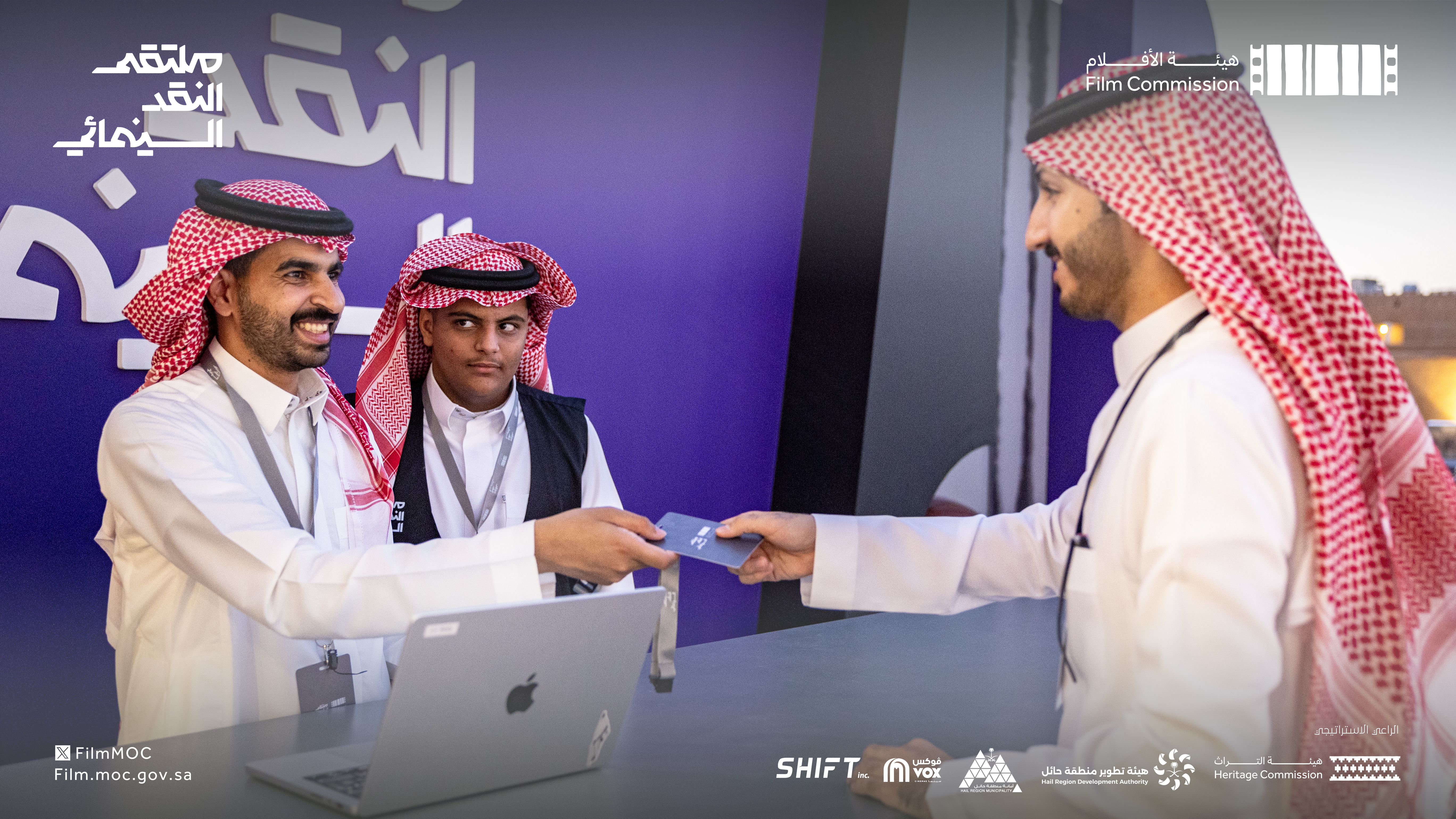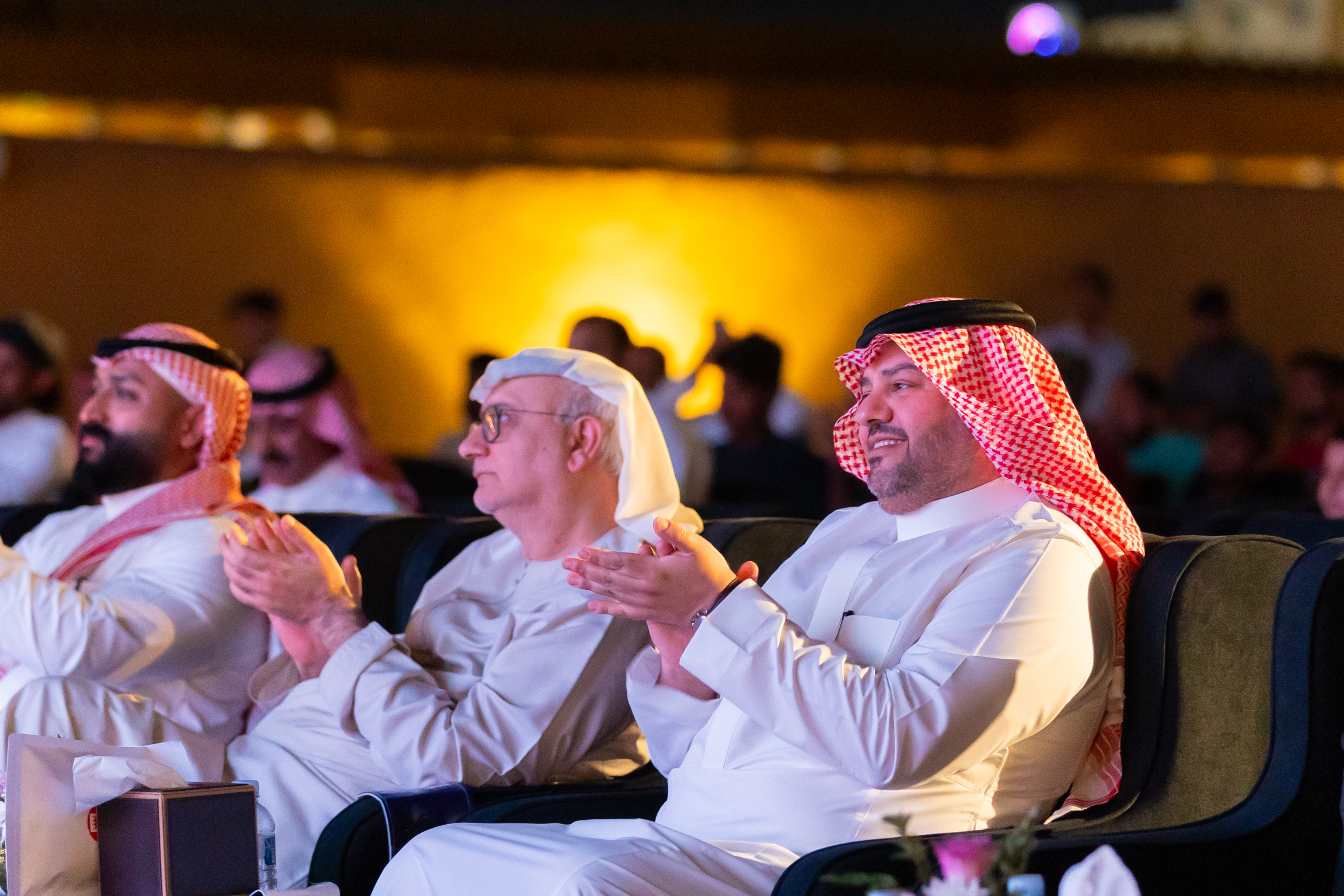
The Film Criticism Conference is a significant event that brings together a distinguished group of film critics and cinema specialists from around the world. It serves as an engaging platform for exploring and discussing the latest trends and developments in the world of cinema and film criticism. Over the course of the 7-day event, participants will have the opportunity to review, evaluate, and discuss notable films while addressing current issues in film criticism.
The conference will feature panel discussions, interactive workshops, and special film screenings showcasing carefully selected works that highlight innovative experiences and new ideas in cinema.
The program covers a wide range of topics, including the analysis of contemporary films, the impact of technology on cinema, theoretical advancements in film criticism, as well as Arab and global cinema, animated films, and other relevant areas. Renowned critics, scholars, and filmmakers with extensive expertise in cinema and film criticism will actively participate in the event.
Sound in Cenima
Sound in cinema is an ethereal element that the camera lens cannot capture, yet it manifests deeply, reflecting the filmmakers' craftsmanship. The soundtrack harmonizes with the cinematic rhythm to weave a creative aura that adds immersive sensory dimensions to the image. In the absence of music, natural sound emerges as an indispensable artistic tool, drawing the viewer into the film's world. This magic also extends to the sounds of nature, the human body, sound effects, and even the sound of silence in spoken cinema.
All of these elements serve to reweave the details of everyday life within the cinematic frame, enriching the narrative experience and enhancing its emotional impact.
The opening ceremony program
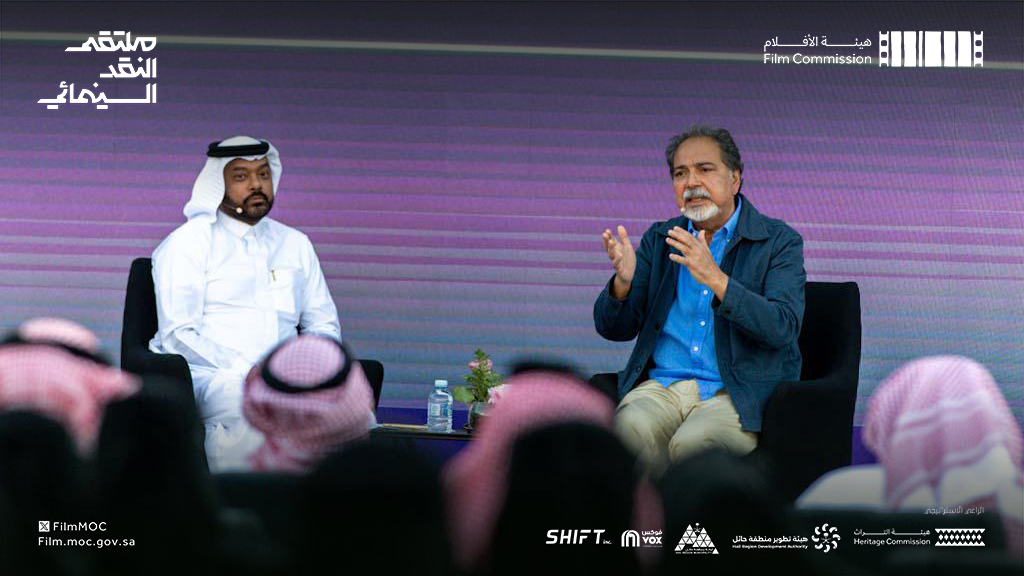
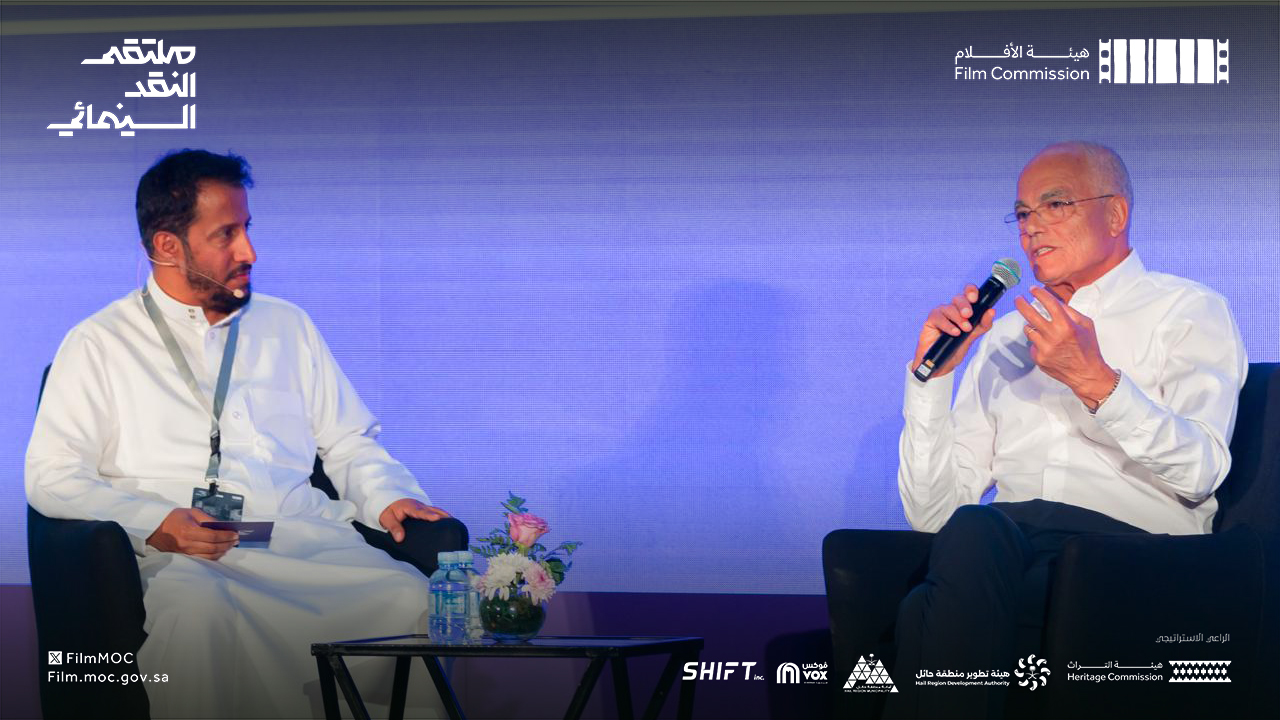
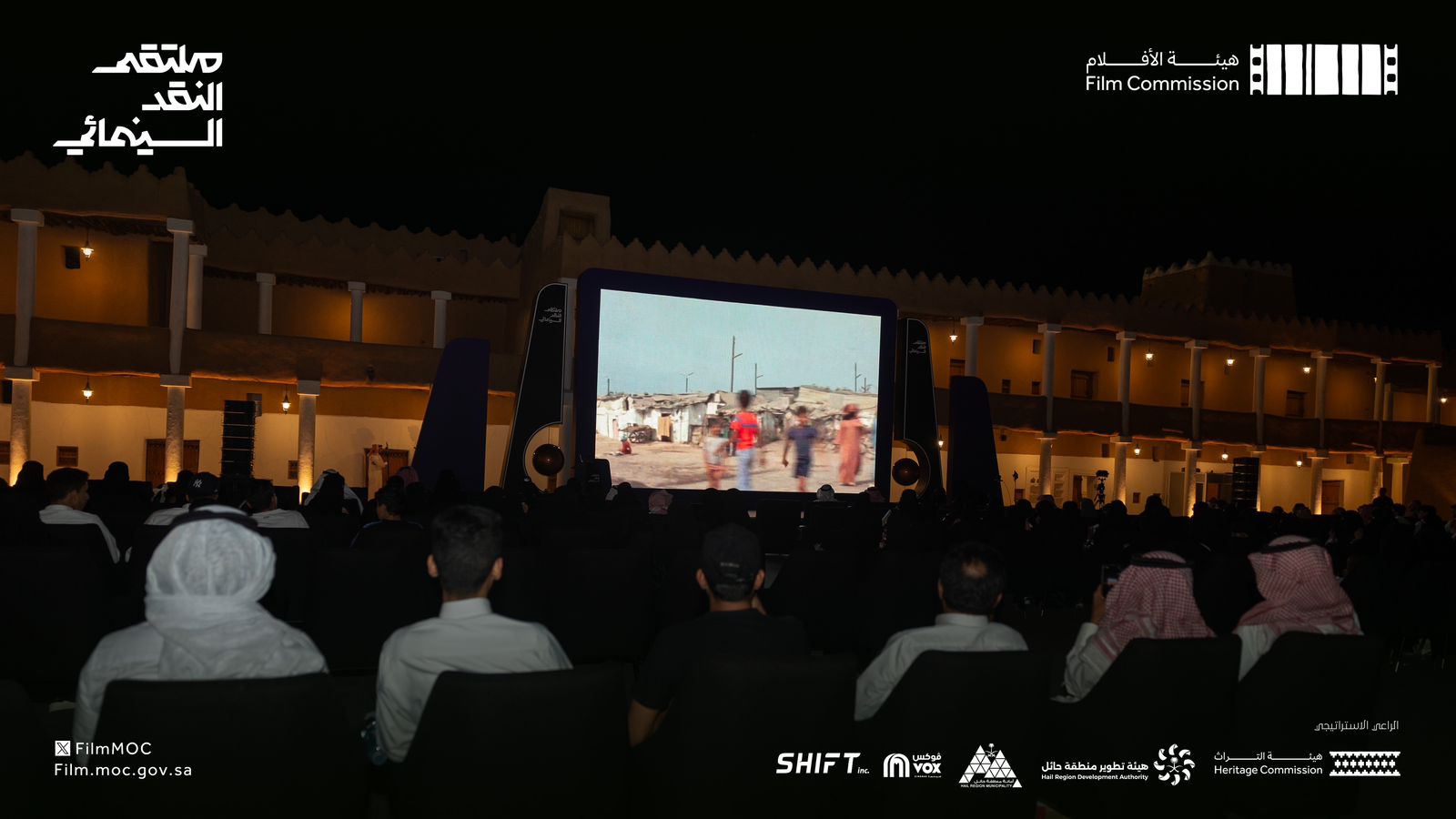
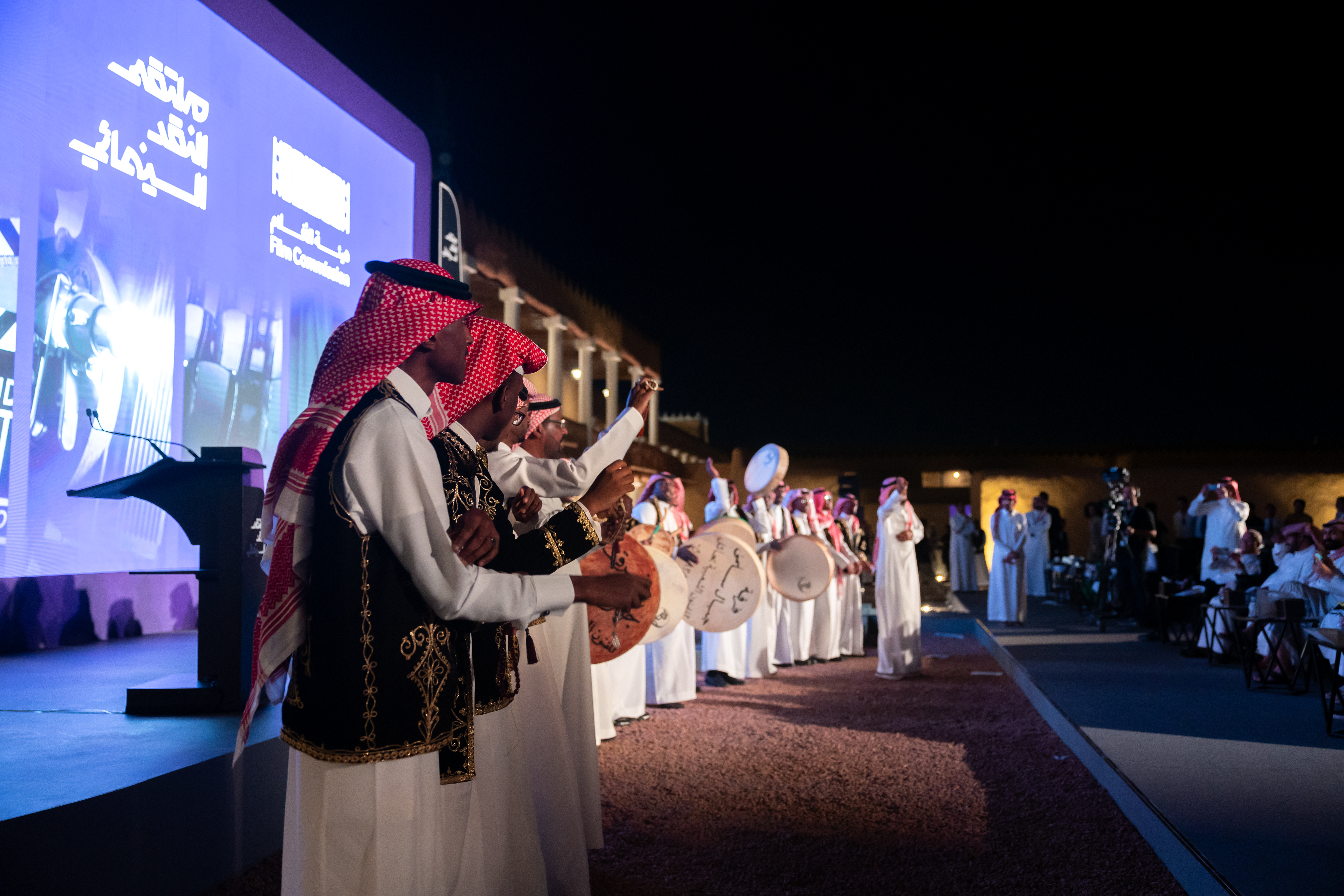
The opening ceremony of the conference will be an exceptional show that reflects the spirit of Saudi cinema in the most beautiful way, starting with the performance of the Royal Anthem, followed by a promotional video for the Film Criticism Conference, followed by a dialogue session with His Excellency Mr. Abdullah Al-Muhaisen to talk about his rich career in the world of cinema. The ceremony will conclude with an exceptional visual and musical artistic show.
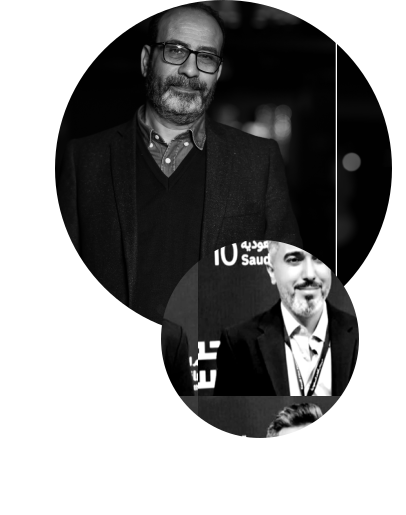
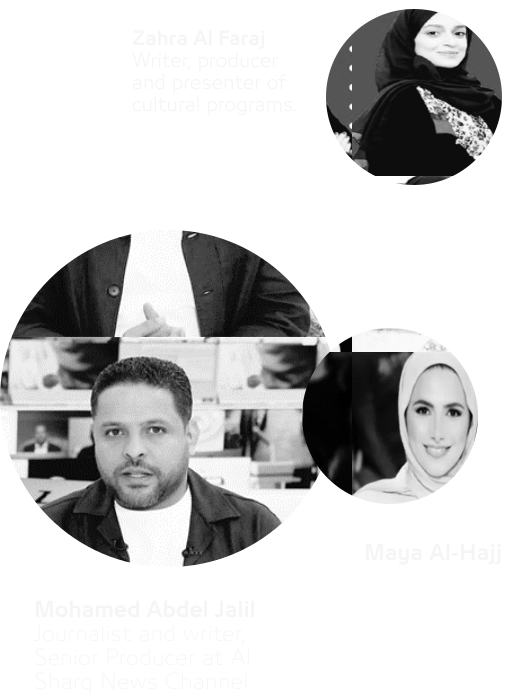
Opening ceremony presenter
Cinema in Defense of Imagination
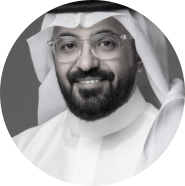
founding partner in "Nass" and "The Stage" companies, and a presenter of entertainment and entrepreneurial events in Saudi Arabia. A member of the "King Khalid Award" jury since 2016, and participated in judging the "Prince Mohammed bin Salman Incubator". He was a broadcaster on "Alf Alf" radio, and presented the programs "Al-Salfa Jad" and "Sahranin Ma'akum Bel-Bait" on MBC.
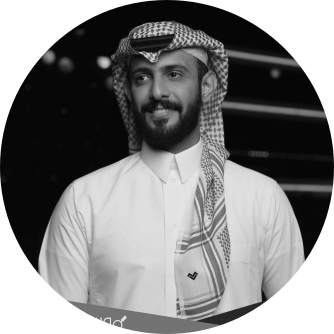
Mohammed Al-mousa
Writer/media professionalVideo showings of the opening ceremony

Opening ceremony presenter
It reviews the Riyadh Conference program for the year 2024, focusing on what distinguishes this edition and the important additions to it, with a comprehensive look at the programs and events
Documentary film about His Excellency Mr. Abdullah Al-Muhaisen
A film about the main character, “His Excellency Mr. Abdullah Al-Muhaisen”, which includes excerpts from previous interviews with him, narrating his life and most important milestones, or interviews with people close to him, and excerpts from the most famous films in which he shone, his vision and his influential mark in the field of cinema, in addition to excerpts from his talk about his films and sources of inspiration.
Dialogue seminar
Dialogue seminar with His Excellency Mr. Abdullah Al-Muhaisen (First proposal)
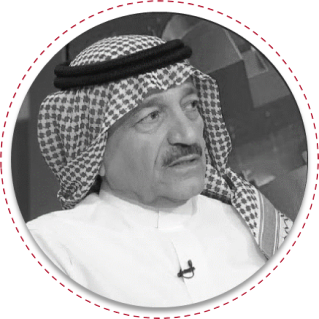
A Saudi director born in Mecca in 1947 (1367 AH). He is considered one of the pioneers of the film industry in the Kingdom of Saudi Arabia, and the first Saudi to specialize in cinema. He laid the first foundations for the concept of the film industry in the Kingdom.
Interviewed by critics:
Ahmed Al-Ayad

Ahmed Shawky
Artistic show

Visual and musical art show
Inspired by Cinema Paradiso, it employs scenes from several international and Arab films, inspired by the film and its magical moments in contemplating cinema, entering its worlds, and the audience being affected by the magic of the screen, and the events in which the cinema hall is part of the story. The film Cinema Paradiso, which was shown in the eighties, encouraged directors from around the world to tell stories based on the space of the place, which is the cinema hall, and its emotional and cultural connection to the audience.
When the film was imitated with different plots in other cinematic works, this narrative technique received the attention of critics and their keeping pace with its multiple manifestations visually, geographically and artistically. The last experience in this context was undertaken by director Pan Nalin in his film Last Film Show, which was produced in 2022.
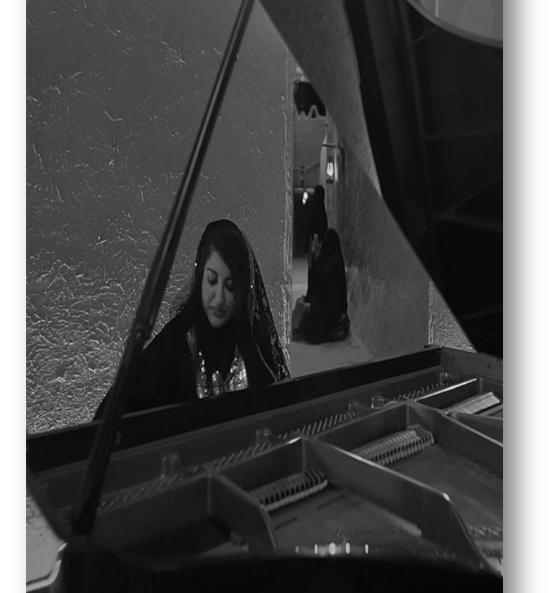
In parallel with this visual show, the pianist will perform live the music of the film (Cinema Paradiso) in front of the audience, to add a realistic aesthetic dimension that places the audience in the worlds of this unique technical experience.
Artistic show
Sulaf Al-Ali
A Saudi pianist, she began her musical journey since childhood. She trained at the Music Institute in Bahrain, specializing in piano and violin, in addition to investing in private training with professional pianists over the years. Sulaf is distinguished by her unique creativity and deep passion for music, and she constantly seeks to apply her creative skills in various fields. She is very ambitious, and has an academic education in architecture, in addition to professional experience in graphic design, which highlights the diversity of her interests and her ability to integrate art and music in her work in an innovative way.
Main Stage
Master Class
Criticism between cinema, literature and arts
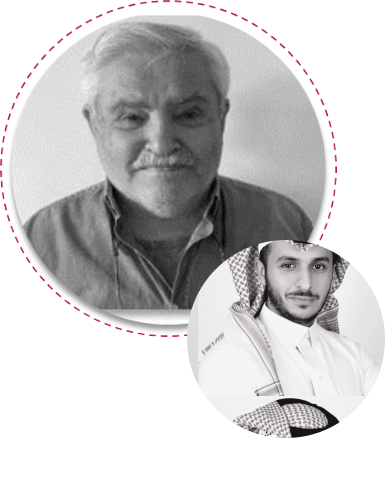
Ibrahim Alariss' writings have inspired readers across the Arab world because he has employed his encyclopedic understanding of arts and culture to make film criticism to rise above merely analyzing the film. Rather he links film criticism to a larger context, taking into account the heritage of human creativity in various arts. There is a constant presence in Alariss' writings of literature, music, visual arts, and other art forms that the he revels in as an inexhaustible source and a special entry point in examining cinema.
Speakers & Moderators
How can we understand the present if we're clueless about the past? Why is there this idea that silent films are primitive, when the truth is that cinema at its birth was wildly inventive? The majority of silent films had some form of colour, and of course they were never silent: musical accompaniments of all forms were always a crucial element of every screening. We'll be discussing where these prejudices spring from, and also talk about how a knowledge of silent cinema offers the best opportunity for understanding editing, camera movement, and rhythm, not to mention comic timing. There's a reason why Pedro Almodóvar's newest film The Room Next Door includes a crucial scene where the protagonists watch a movie from 1925!
In the Company of Critics
Critic and filmmaker... an ambiguous relationship
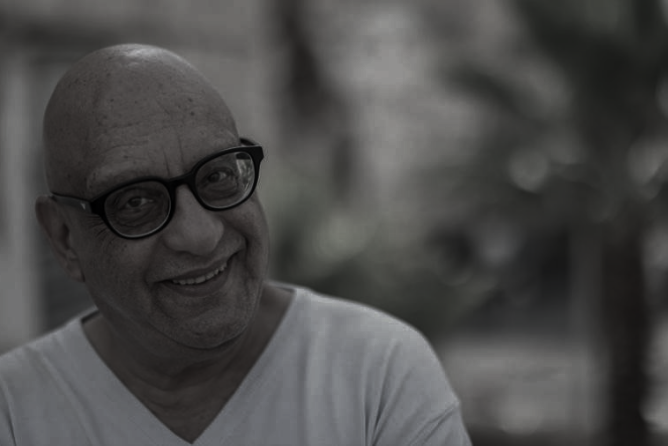
Khairy Beshara worked for years as a film critic, and when he started making his films, he received wide support from critics of his generation. However, once he decided to leave the realm of realistic cinema and enter new film territories, critics did not welcome the change with great enthusiasm, which led to a rift between him and the critics that was not healed until a new generation emerged that dealt with his films with freedom and broad horizons. How does Beshara view this journey? Through an interesting dialogue with director and writer Wael Abou Mansour.
When the film was imitated with different plots in other cinematic works, this narrative technique received the attention of critics and their keeping pace with its multiple manifestations visually, geographically and artistically. The last experience in this context was undertaken by director Pan Nalin in his film Last Film Show, which was produced in 2022.
In parallel with this visual show, the pianist will perform live the music of the film (Cinema Paradiso) in front of the audience, to add a realistic aesthetic dimension that places the audience in the worlds of this unique technical experience.
Khairy Beshara
director
Beyond Criticism
Bollywood Musicals and how it represented the changing dynamics of Indian Society
Bollywood is the melting pot of Indian Culture. It represents and the society, politics and changing nature of Indian citizenry as a whole. Majority of Hindi commercial-popular films are musicals, songs and dances are not regarded as ‘interruptions’ in the narrative, rather it enhances the pleasure of the audience. Over the decades, songs and dance numbers in Hindi films maintained the cultural hegemony of the nation as well as challenged it, at times. These performances created stars, earned profit and always attracted audiences to enthrall the cinema halls. Not only did these musicals create history, they also recorded it. This lecture traces the trajectory of Indian society by analyzing the Hindi musicals over the decades.
Speakers & Moderators
While the burgeoning film industry in Saudi Arabia is relatively recent, the relationship between Saudi culture and sound dates back to ancient times. The nation that invented poetry and has long utilized words, phrases, melodies, and music to shape a unique identity is today seeing its artists draw from this rich auditory heritage. They aim to blend it with the visual aspects of cinema in an effort to create a distinctive national cinema. What is the state of sound in contemporary Saudi cinema? The speakers in this session will address this question.
In the Company of Critics
From the personal story to global horizons
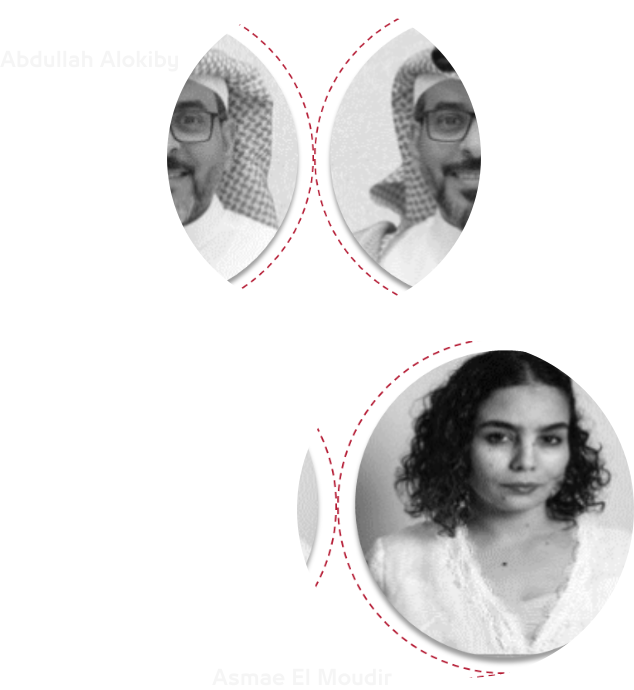
Asmae El Moudir needed nothing more than to delve into her own memories to achieve international success, reconstructing the collective memory of her family, community and country to create "Mother of All Lies" which has been appreciated by audience and critics around the world. How can a filmmaker choose from his past what is suitable for film material? And how does a critic deal with the sensitivity of personal and political topics when tackling a film? Director Asmae El Moudir discusses her journey with memory, creativity and criticism with critic Abdullah Al Oqaibi.
Master Class
50 Years of Film Criticism
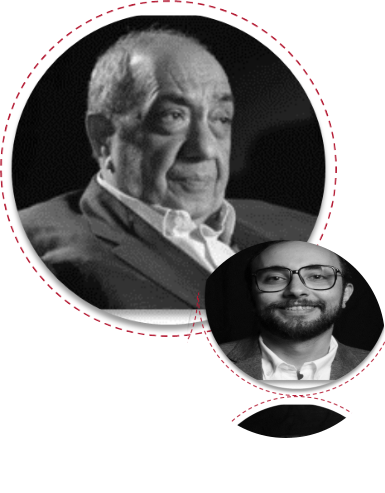
In 1968, just a year after one of the most turbulant moments in Eygptian history, a young man named Kamal Ramzy began his journey as a film critic. For more than 50 years and through many changes in film and in the world, he has written about Egyptian, Arab and international cinema, about filmmakers and stars. He is renowned for his ability to delve into the depths of an actor's process and for a writing style that has stayed away from cliches and hyperbole in favor of wit and craft. Kamal Ramzy recalls fifty years and more of frilm criticism, decades during which the film industry ebbed and flowed at home and abroad. How did this independent critic deal with all these fluctuations?
Speakers & Moderators
Those outside the region are accustomed to describing it as the “Eastern Bloc,” as if it were a single, homogeneous entity, but in reality it is one of the most diverse places in the world, especially when it comes to creativity and the arts. The panelists and moderator come from four different Eastern European countries, each with its own film school and its own unique contribution to the field of cinematic sound. How has sound played a role in shaping films in these countries? This is what the panel will attempt to answer.
In the Company of Critics
For whom are films made... between artistic and popular?
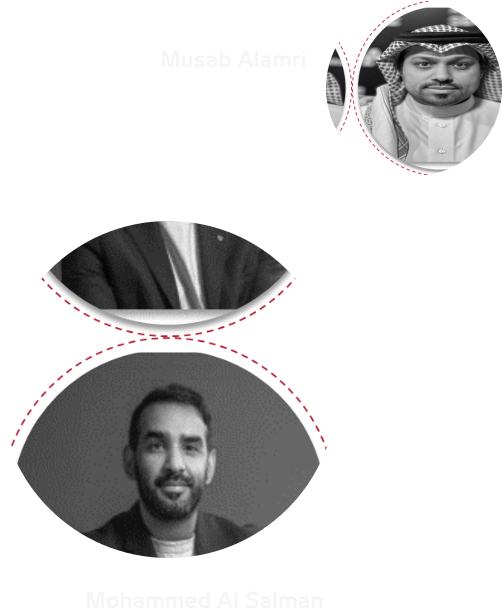
For whom films are being made? Do filmmakers tell stories that appeal to a broad audience? Or do they express a personal vision even if its expected audience is limited? In light of the great leap of the Saudi film industry, the value of the question of artistic and commercial cinema emerges as a daily dilemma for filmmakers. Can a film be satisfied with winning festival awards and critics' appreciation? Or does the choice of the cinema audience remain the main determinant of success? A rich discussion brings together director Mohammed Al-Salman and critic Musab Al-Omari.
Beyond Criticism
Spectating in the Blind: Film Sound and Non-Western Philosphy
Responding to film studies’ longstanding neglect of non-Western philosophies, this presentation will offer a case study of how cinema can “embody” Buddhist eco-philosophy. Specifically, The lecturer will present a close reading of Lois Patiño’s docudrama Samsara (2023), wherein he puts Buddhist thought and feeling into conversation with haptic visuality and aurality – concepts that have gained particular currency in film studies’ contemporary “turn” towards embodiment, the sensorial and the experiential. The presentation will be honing in specifically on Samsara’s bardo sequence, which instructs audiences to “spectate” with their eyes shut for 15 minutes.





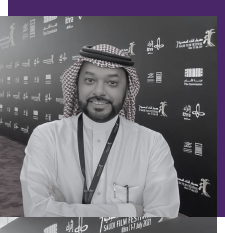
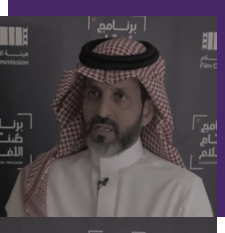
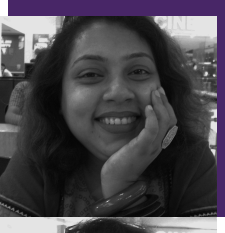


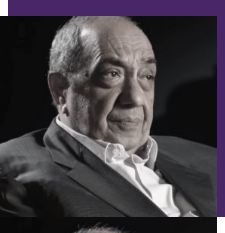






Speakers
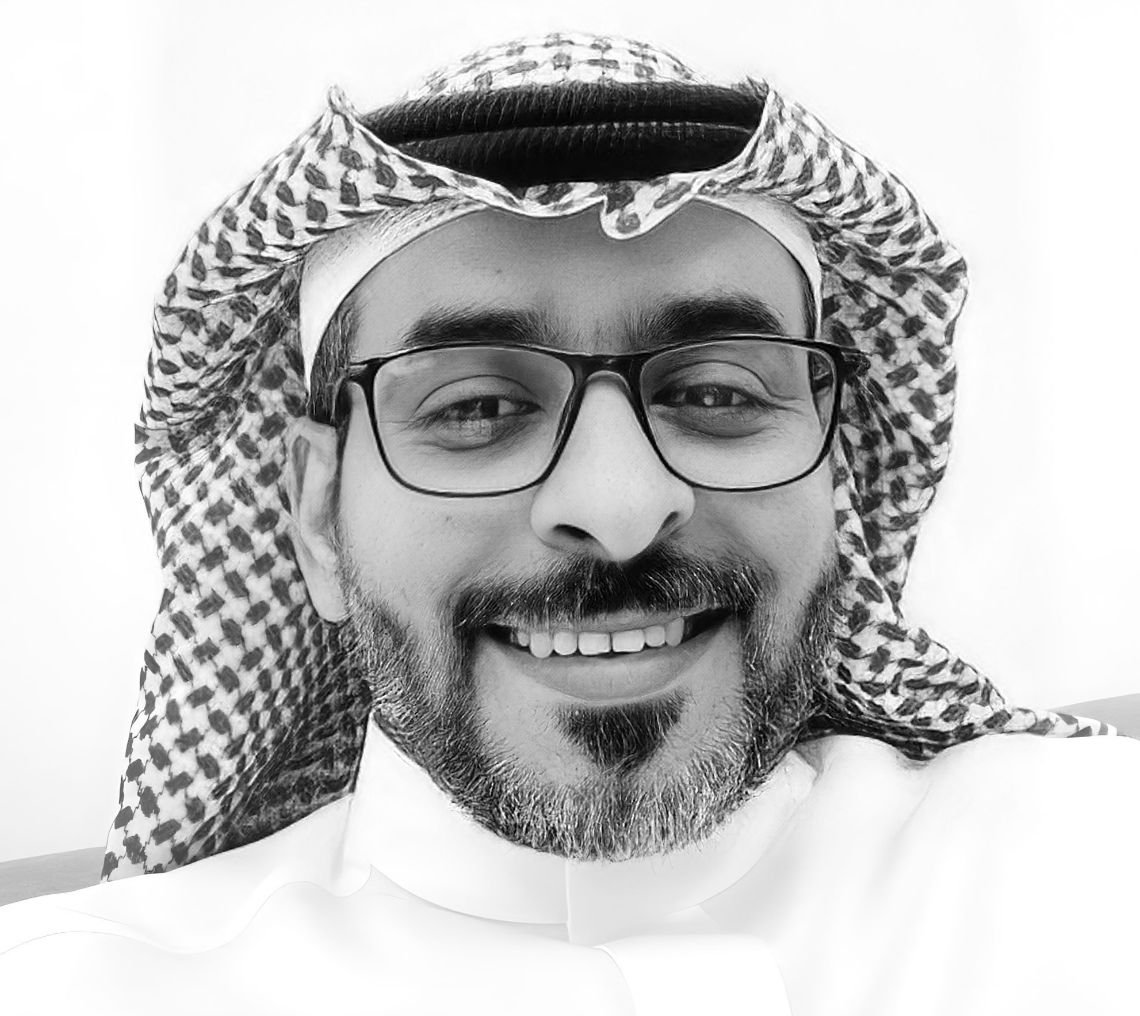
Abdullah Alokiby
Abdullah Alokiby
Riyadh
Saudi writer and critic Abdullah Alokiby holds a PhD in Literature and Criticism. He has authored several creative works, including plays, and he publishes film essays and analyses in Arabic newspapers and periodicals. He has presented in various Arabic literary festivals and was the media coordinator for the first and second editions of the literary forum Seen Festival, sponsored by the Saudi Arabian Society for Culture and Arts in Jeddah.

Abdullah Alzaid
Abdullah Alzaid
Buraydah Forum
Writer and sociology researcher Abdullah Alzaid was born in Al-Qassim, Saudi Arabia, and served as the director of the Al-Qassim branch of the Association of Culture and Arts for five years, chairing the region’s delegation to the Janadriyah Festival for Heritage and Culture. He is an award-winning writer in several fields: His screenplay Papers from the Crime Archive 2044 won a script award at the Saudi Film Festival; in theater, he won the best script award at the first Riyadh Monodrama Festival; and his short story “Uncle Baraka’s Train” was awarded at the national level. As an actor, he has performed in a number of films, TV shows, and plays. He writes on social history, sociology, and art and society for websites and academic journals and is interested in traditions and customs from a cultural perspective.
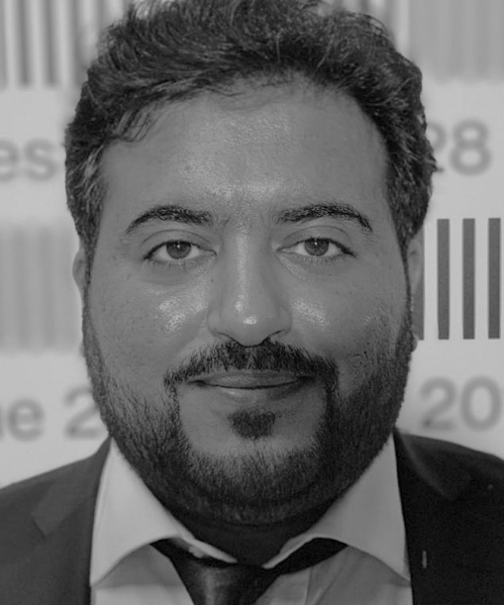
Abdulmohsen Aldhabaan
Abdulmohsen Aldhabaan
AlAhsa
Saudi director and screenwriter, member of a Saudi film production group (Talashi Group). He directed 5 short films, a TV series, and a feature film (Last Visit). He participated in the Karlovy Vary International Film Festival in the Czech Republic..
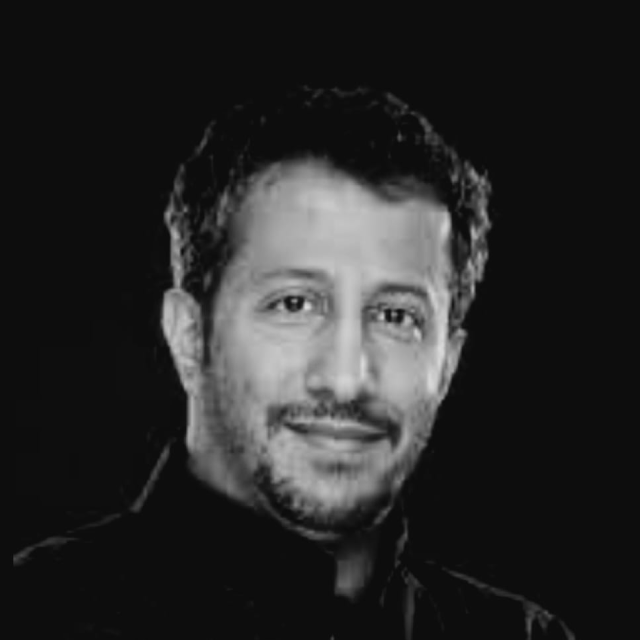
Abdul Mohsen Al-Mutairi
Abdul Mohsen Al-Mutairi
Hail
A Saudi film director and producer. He studied film in the United States and participated in directing and producing more than 14 Saudi films. His most notable works include “The Wife of Roses” (2017) and “ISIS Girl” (2016), which participated in international festivals. He also co-wrote the screenplay for the film “Out of the Road” at the Saudi Film Festival 2019. He began his career producing short films since 2008 with the Talashi Film Group, and wrote articles about cinema. His film “From the Memory of the North” won the Best Documentary Award at the Saudi Film Festival 2022.
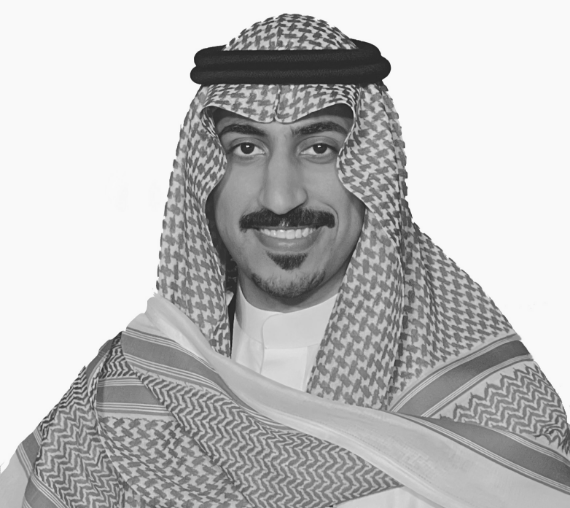
Abdulrahman Alghannam
Abdulrahman Alghannam
Dhahran
Abdulrahman Alghannam is Assistant Professor of Cinema and Media Studies at King Faisal University; he is interested in integrating cultural innovation and entrepreneurship. He holds a PhD in Filmmaking Studies from the Institute of Global Cinema and Creative Cultures at the University of St. Andrews, UK. Alghannam has helped establish a number of film initiatives, presenting a variety of cultural programs and workshops, and is a member of a number of cinema and film national committees. Through his writing and community activities, Alghannam contributes to shaping and empowering the role of scientific research and education to develop the film sector in the Kingdom of Saudi Arabia and the wider Gulf region.

Aderinsola Ajao
Aderinsola Ajao
Riyadh
Aderinsola Ajao is an arts manager and founder/curator of Screen Out Loud, an independent cinema programme . Her writing has been published in English and in translation.
Adnan Al-Manaws
Adnan Al-Manaws
AlAhsa
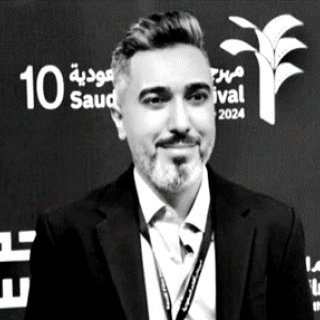
A Saudi poet and critic, prepared and presented a four-part program on (poetic cinema), shown on the Saudi Film Festival channel in its eighth edition. He has film reviews and critical writings published in a number of magazines and electronic platforms. He recently wrote a film book about the experience of the filmmaker (Kim Ki-duk, the rejected director of violence).
Afnan Bawyan
Afnan Bawyan
Dhahran
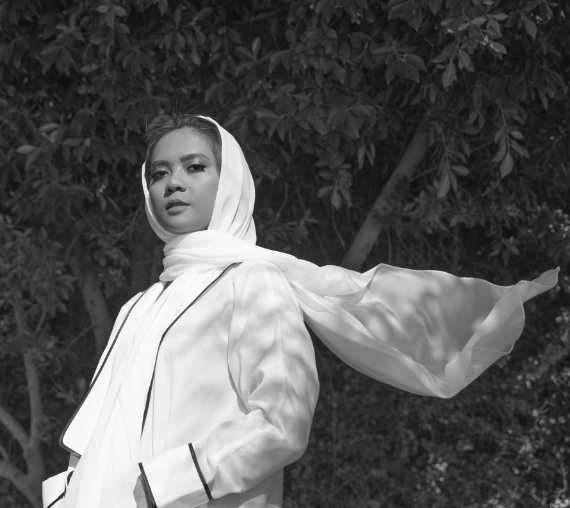
Afnan Bawyan is a script writer and script supervisor. She began her career as an assistant producer, making four short cartoon series, before moving into live-action filmmaking. She has worked as a script supervisor on seven full-length Saudi films, produced by Ithra, Red Sea Film Festival, the Saudi Film Commission, and Netflix. Bawyan also worked as a third assistant director on the Hollywood movie Kandahar, which was filmed in the city of Al-Ula. The script of her first short film, “Saleeg,” received an honorable mention from the Saudi Film Festival and won the Light Award for film support, funded by the Film Commission. Recently, “Saleeg” was accepted at the Annecy International Animation Film Festival, in competition for the Best Perspective Short Film award, and at the ninth Saudi Film Festival, in competition for short film. The script for her first feature film, The Photographer of Madina, was accepted at the Red Sea Lab and won the lab award.
Ahaad Alamoudi
Ahaad Alamoudi
Tabuk
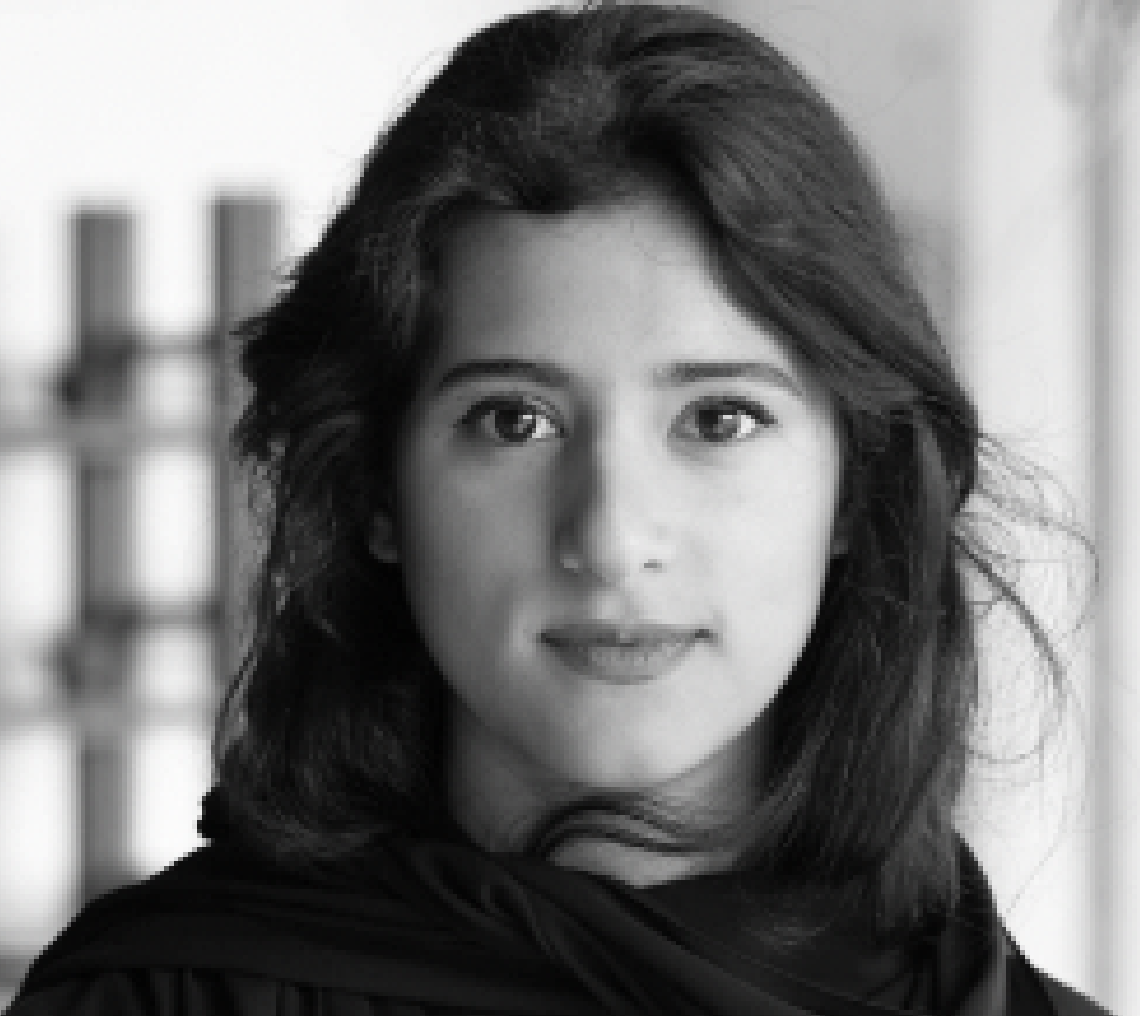
Born in Jeddah and educated in England and Saudi Arabia, Ahaad Alamoudi creates work that travels between two kingdoms, addressing history and representation, particularly of Saudi Arabia’s reforming ethnography, through photography, video, and print installations. She has had solo exhibitions at Jeddah’s annual 21,39 art fair and Athr Gallery, and she has exhibited in Jeddah, Sharjah, New York, Houston, and San Francisco.
Ahmed Al-Haqil
Ahmed Al-Haqil
Riyadh
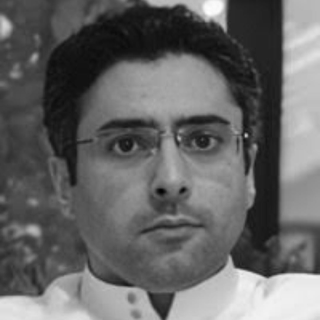
Ahmed Al-Haqil is a Saudi writer and novelist who has published a number of novels, including “Circles,” “Lines,” “Roads and Cities,” “New Creation,” “Days and Books,” and a collection of short stories entitled “Home.”
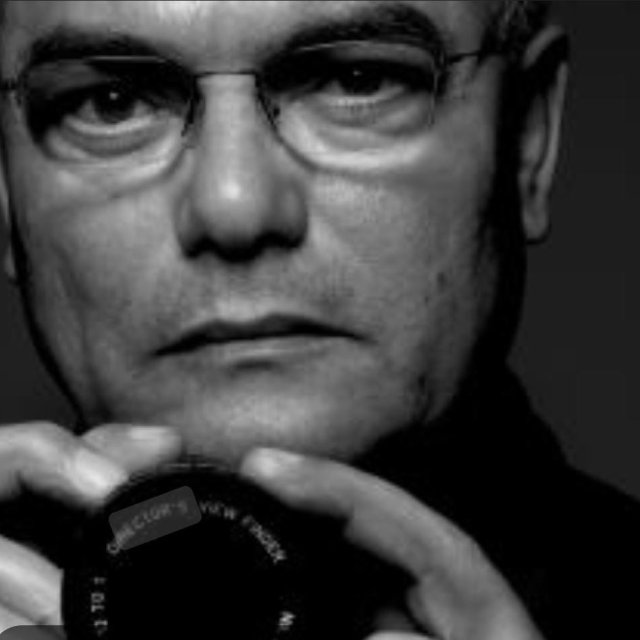
Ahmed Al-Maanouni
Ahmed Al-Maanouni
Hail
Moroccan director and writer, his works shed light on issues that explore Moroccan history and the collective memory of Moroccans, and also highlight the role of cinema in consecrating national values and Moroccan identity. His film "Al Hal“ (the Condition) attracted international attention after it was restored and presented by Martin Scorsese at the 2007 Cannes Film Festival (Cannes Classics section)
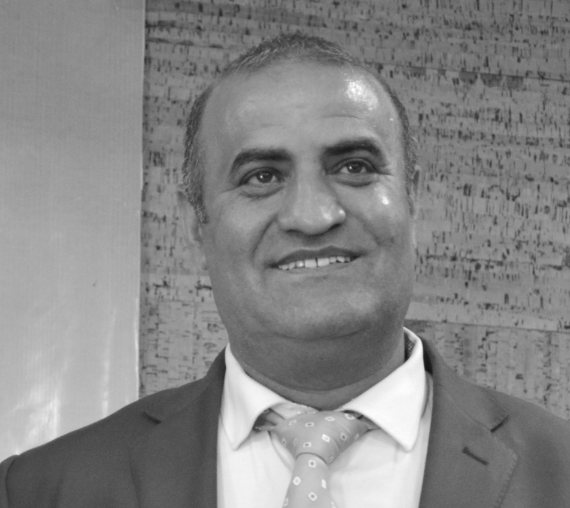
Ahmed Gasmi
Ahmed Gasmi
Abha
Ahmed Gasmi is Senior Lecturer in the Faculty of Literature, Arts, and Human Sciences at the University of Manouba, Tunisia. His critical and research specialty is semiotics of literary and visual arts, and he has contributed to the books The Documentary Film: Issues and Problems and The Arabic Documentary Film (both with Arab Scientific Publishers). He is the author of the novel Zapping (2004), as well as a script writer and screenwriter, and has served on juries for film festivals and the Arab Cinema Center’s Critics Awards.
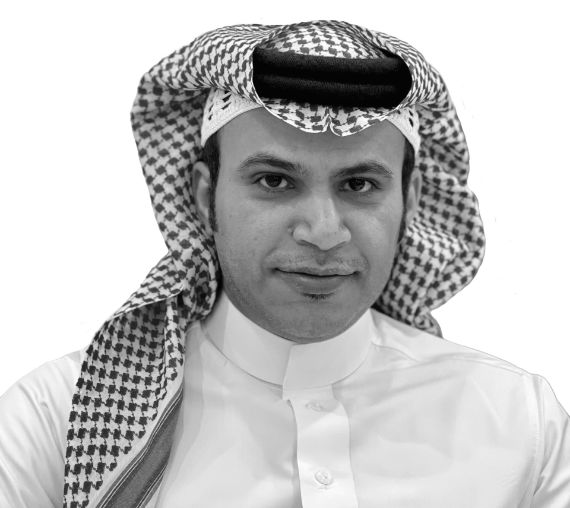
Ali Almajnooni
Ali Almajnooni
Abha
Buraydah Forum
علي المجنوني كاتب إبداعيّ وباحث ومترجم من المملكة العربية السعودية. شملت كتابات المجنوني الإبداعية كتبًا في القصة القصيرة والرواية وأدب الطفل. وفي النقد فهو يكتب المقالة النقديّة في الأدب والسينما والفنّ والثقافة المعاصرة. نُشرت مقالاته في صحف ومجلّات ورقية وإلكترونية. أمّا في الترجمة، فيترجم ما بين اللغتين العربية والإنجليزية، وصدرت له عدة ترجمات عربية لمجموعة من الروايات المكتوبة بالإنجليزية، أبرزها ترجمة رواية «زنج» (دار أثر 2014) ورواية «أنشودة المقهى الحزين» (دار مسكيلياني للنشر والتوزيع 2015) ورواية «راگتايم» (دار روايات 2017). كما تشمل اهتماماته البحثية النظرية النقديّة، والأدب المقارن، ودراسات الترجمة، والدراسات الثقافية، ودراسات الحداثة وما بعد الحداثة. إضافةً إلى ذلك، فالمجنوني مربّ، إذ يعمل محاضرًا في الأدب الإنجليزي والعربي والأدب المقارن ودراسات الترجمة، كما يُدرس اللغة العربية للناطقين بغيرها.

Ali Al-Serheed
Ali Al-Serheed
Riyadh
Project Manager at the Cinema Association and Programming Director at the Saudi Film Festival. He has produced cultural and cinematic programs, and his award winning short films have been screened at local and international festivals.
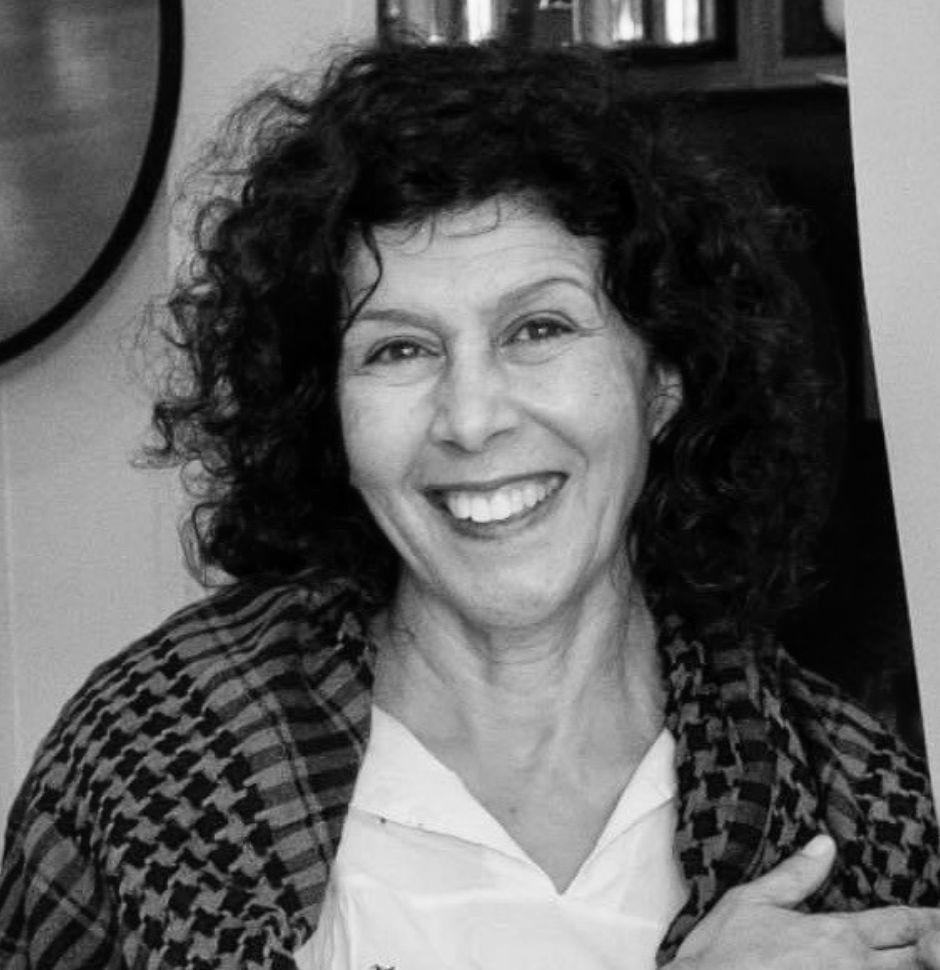
Alia Yunis
Alia Yunis
Riyadh
Film and heritage scholar, filmmaker, and writer Alia Yunis worked in Los Angeles for many years as a screenwriter. She is the author of the critically acclaimed novel The Night Counter (2010), and her feature documentary, The Golden Harvest (2019), won Best of the Fest at its US debut at the Minneapolis St. Paul International Film Festival. In 2010, she co-founded the Zayed University Middle East Film Festival (ZUMEFF), now the longest-running film festival in the Gulf.
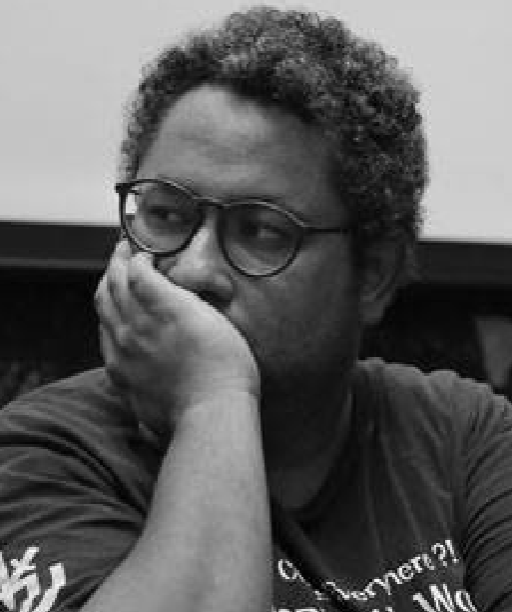
Ali Hussein Al-Adawy
Ali Hussein Al-Adawy
Curator, researcher, and critic Ali Hussein Al-Adawy has curated film programs, seminars, and exhibitions, such as the film program Labor Images (ongoing since 2019) and, with Paul Cata, the exhibition The Art of Getting Lost in Cities: Barcelona & Alexandria (2017). He co-founded the online film criticism magazine Tripod (2015–17) and was part of the editorial team of TarAlbahr, a publication for urban art practices in Alexandria, Egypt (2015–18).
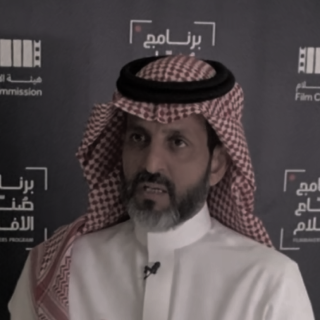
Ali Zaalah
Ali Zaalah
Riyadh
Cultural advisor, PhD in modern narratives and cultural studies, interested in cinema and arts, published a number of critical books, and a number of critical and creative books, some of which were translated into multiple languages..
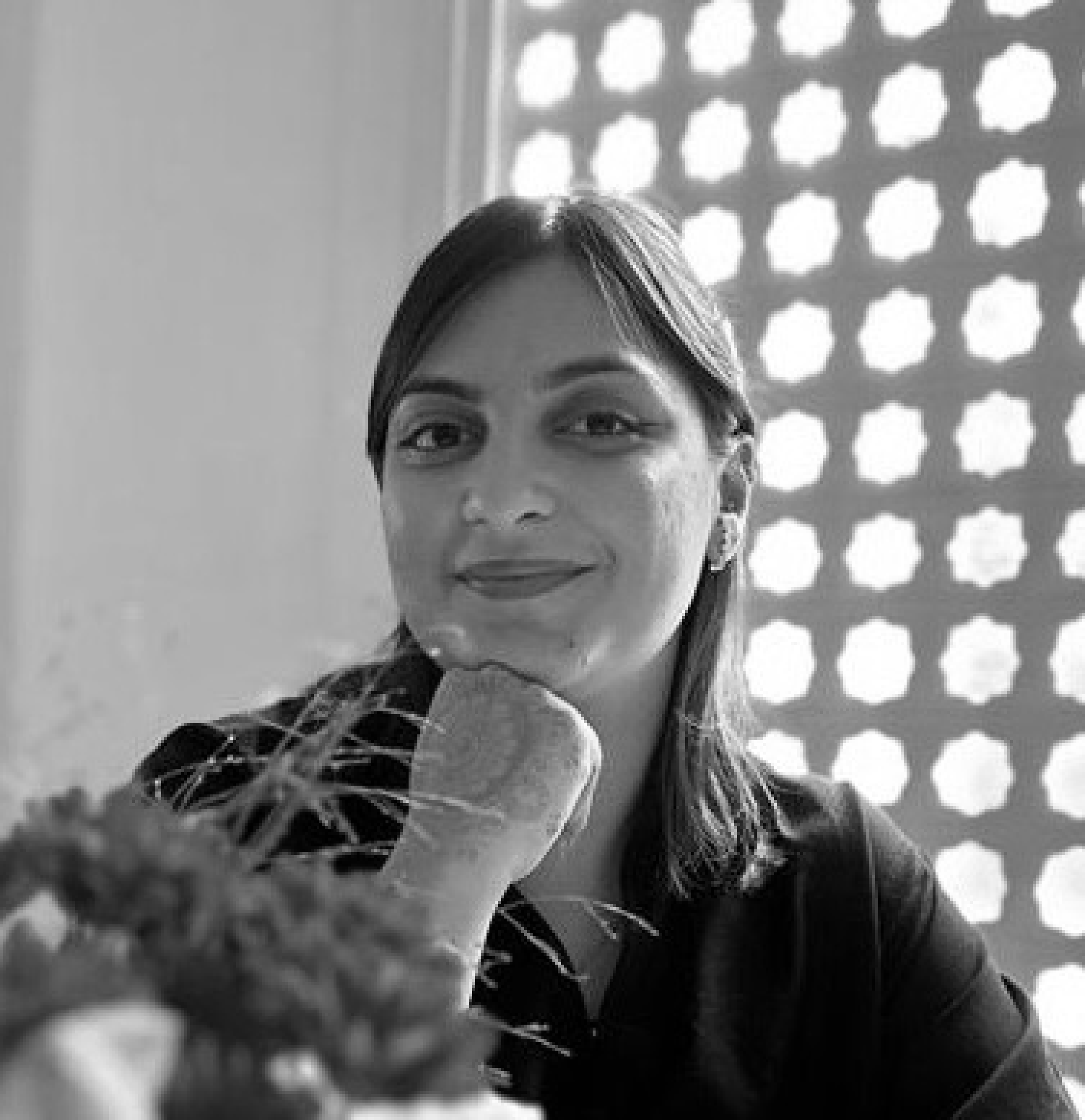
Amal Ahmed
Amal Ahmed
Riyadh
Amal Ahmed is a New York City–based audiovisual archivist and writer with roots in Bahrain and Saudi Arabia. For her MA from NYU’s Moving Image Archiving and Preservation Program, she worked on contextualizing Pakistani films from the 1950s to the 1980s held at the George Eastman Museum, and she is currently researching the intertwined history of cinema culture and the South Asian diaspora in Bahrain.
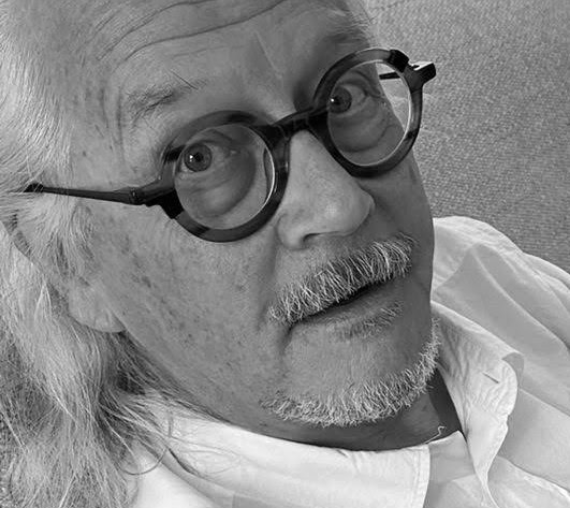
Andrew Higson
Andrew Higson
Dhahran
Andrew Higson is the Greg Dyke Professor of Film and Television at the University of York, one of the UK’s top research-led universities. He was for several years the Head of the university’s Department of Theatre, Film, Television, and Interactive Media (2010-2017). He has published several books and numerous articles in academic journals about questions of national and transnational cinema, and about British and European cinema. He is currently researching and writing a book about national cinema and the United Arab Emirates. He led the international consortium that ran the HERA-funded research project Mediating Cultural Encounters Through European Screens (2013-17), and he was the founding director of the Screen Industries Growth Network, an academic-industry partnership established in 2020 and funded by Research England.
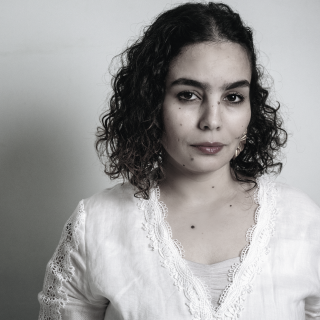
Asmaa Almodir
Asmaa Almodir
Riyadh
A Moroccan film director, screenwriter. She went on to study at LA FEMIS in Paris. Asmae has directed several award-winning short films. The Mother of All Lies is her first theatrical documentary feature.

Ayman Tamano
Ayman Tamano
Riyadh
Ayman Tamano is an international award-winning film director, writer, and cinematographer, best known for his independent film Madayen (2019). Tamano currently resides in Saudi Arabia, where he actively produces films of varying formats. He is also known in Jeddah for his involvement in and contributions to the music industry and his work with prominent regional artists.

Ayoung Kim
Ayoung Kim
Riyadh
In her multifaceted art practice, Ayoung Kim decisively integrates geopolitics, mythology, technology, and futuristic iconography, and she retroactively seeks speculative time to infiltrate the present. She establishes connections between biopolitics and border controls, the memories of stones and virtual memories, and ancestral origins and imminent futures. The resulting narratives can take the form of video, moving image, VR, game simulation, sonic fiction, diagrams, and texts.
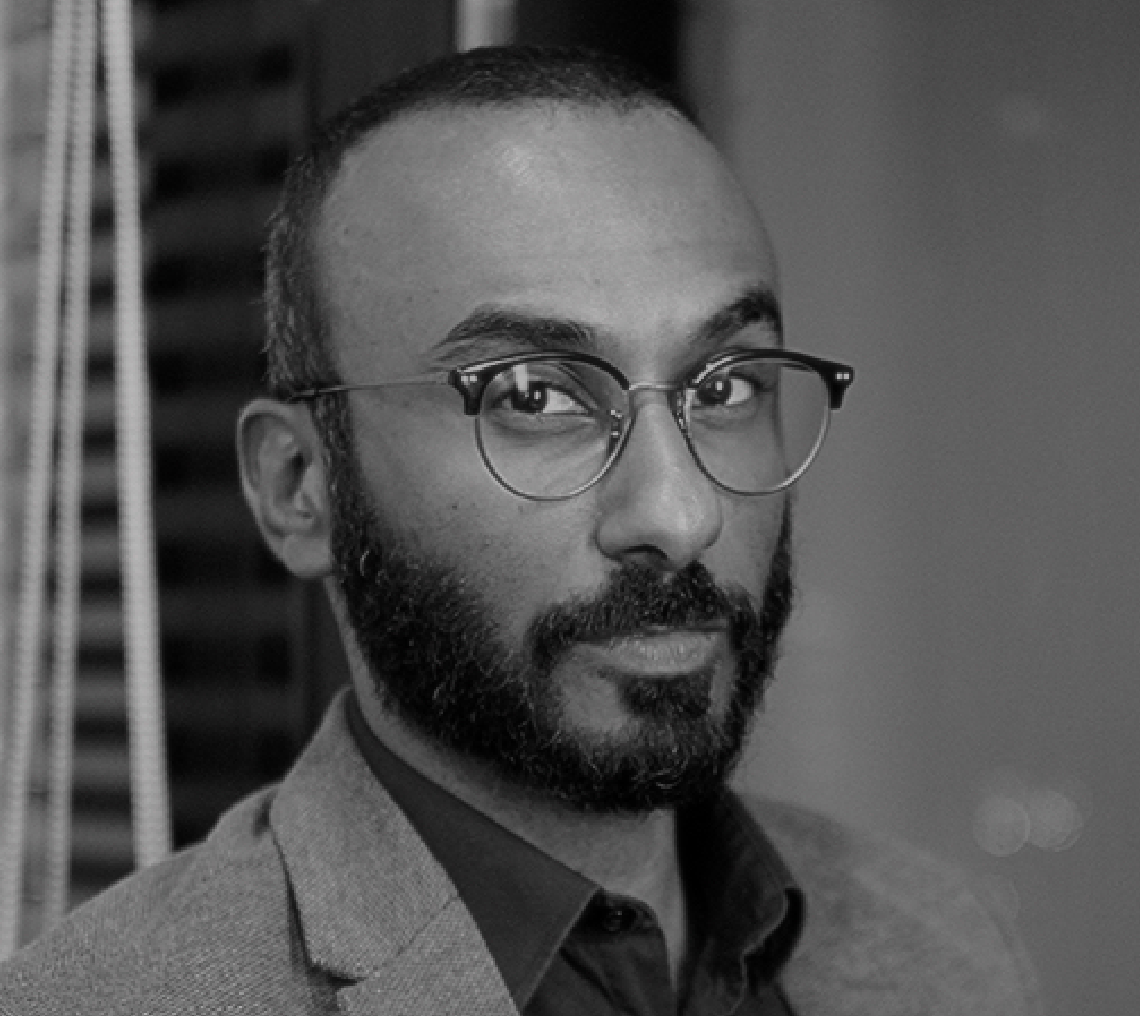
Aziz Mohammed
Aziz Mohammed
Tabuk
Saudi novelist, scenarist, and critic Aziz Mohammed is the author of the novel The Critical Case of a Man Called K, which was shortlisted for the International Prize for Arabic Fiction (the “Arabic Booker”) and translated into English, French, and Chinese. As an author and critic, Mohammed has also published essays on literature and film criticism and written scripts and consulted on forthcoming films and TV series
Baraa Alem
Baraa Alem
AlAhsa
Saudi actor, writer and director, founder of the “Filmmer” channel. In his early days, he turned to YouTube “Filmmer” to provide film reviews. The number of his subscribers reached 546 thousand subscribers.
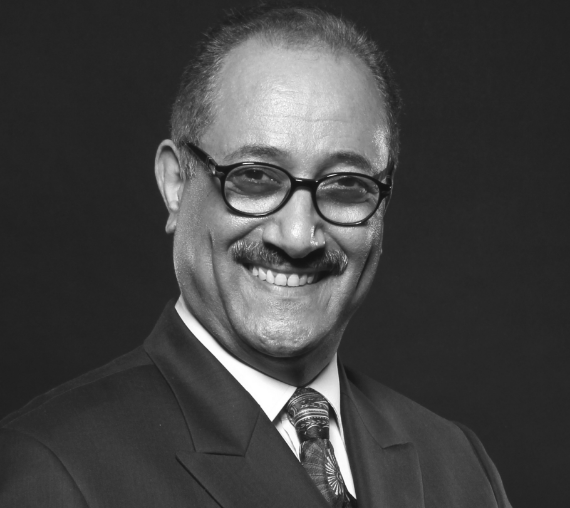
Bassam Al Thawadi
Bassam Al Thawadi
Dhahran
Born in Bahrain, Bassam Al Thawadi has been widely recognized for developing his country’s film industry. After graduating from the Higher Institute of Cinema in Cairo in 1983, he produced and directed Bahrain’s first three feature movies, The Barrier (1990), Visitor (2003), and A Bahraini Tale (2006), as well as numerous TV programs, documentaries, and miniseries. Later, he joined Bahrain’s Information Affairs Authority as Acting General Director of Radio and Television. He has been honored with a Lifetime Achievement Award from the Gulf Film Festival in Dubai, and he is a founding member of the GCC Cinema Society. He frequently serves on judging committees for regional and international film festivals.
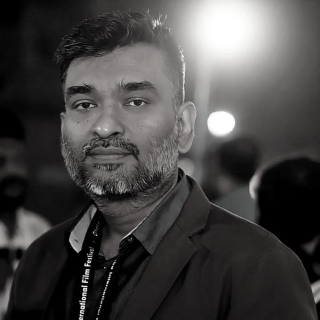
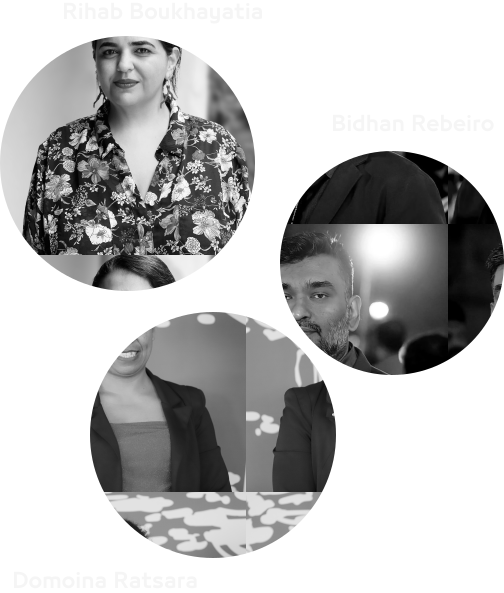
Bidhan Rebeiro
Bidhan Rebeiro
Riyadh
Bidhan Rebeiro is a Bangladeshi film critic, writer, journalist, and teacher. As a FIPRESCI jury, he served at the Cannes Film Festival and Dhaka International Film Festival.

Bojidar Manov
Bojidar Manov
Riyadh
Film critic and journalist, Former dean of the Cinema Faculty, Sofia, Vice President of FIPRESCI ( 2001 2005 ), Member of European Film Academy, Author and Translator.

Brouin Habib
Brouin Habib
Hail
She is a poet and academic researcher in the cultural and literary fields. She is also a media expert for numerous specialized training courses at Dubai Media Incorporated, where she has contributed to the organization's distinction by launching pioneering cultural dialogue programs in the Gulf region.
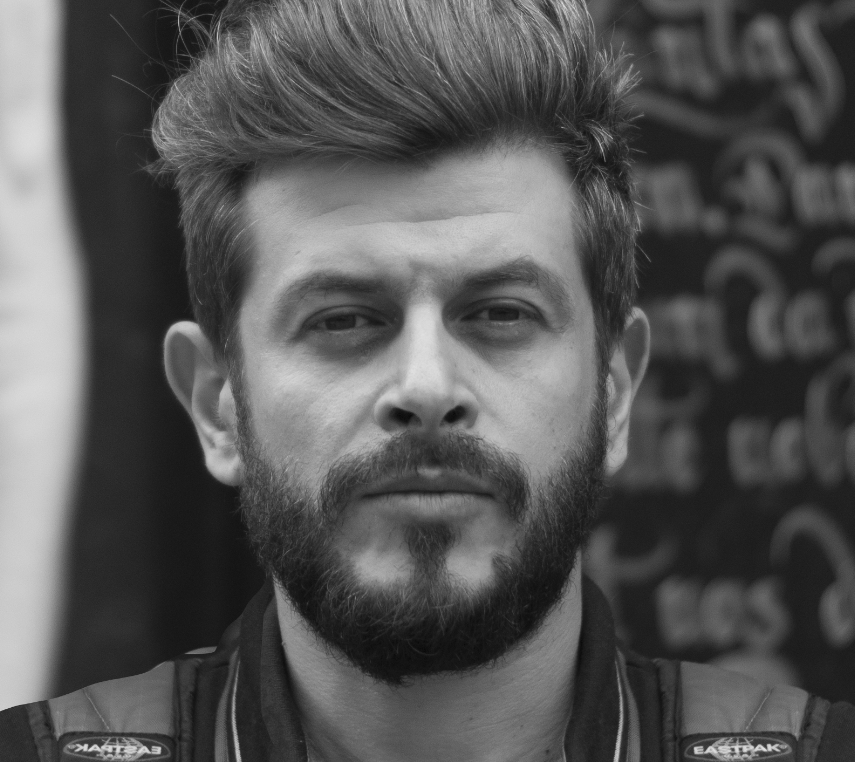
Chadi Abo
Chadi Abo
Tabuk
Born in Damascus, Chadi Abo studied at École des Arts Décoratifs and runs the Paris-based HECAT Studio for visual effects. He has worked in VFX since 2001, including a decade in Arabic cinema and TV as effects designer, writer, and director. He co-produced the Emmy-winning Syrian-Danish doc The Cave and is committed to growing Arabic genre productions; his feature The Portal, a sci-fi take on the Syrian war, is in development.

Diaa Youssef
Diaa Youssef
AlAhsa
Buraydah Forum
Poet, writer, director and visual artist, winner of several awards, worked in writing and editing some newspapers and magazines, studied creative and professional scriptwriting at the University of Southern California, member of the board of directors of the Cinema Society, director of the Sidra Center for the Arts.
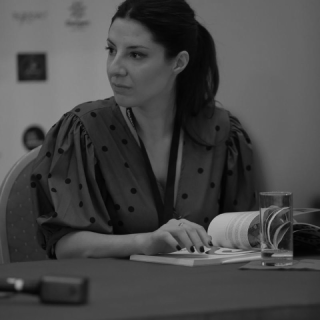
Diana Martirosyan
Diana Martirosyan
Riyadh
Film critic and cultural journalist, based in Yerevan, Armenia. Has graduated Russian Armenian niversity Journalism ” faculty and got a Bachelor s degree, then studied at Yerevan State Institute of Theatre and Cinematography, Film studies ” department.
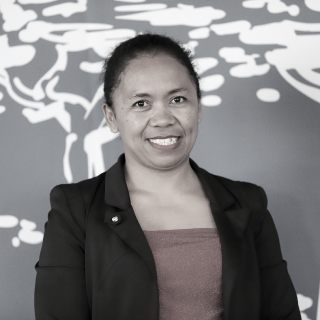
Domoina Ratsara
Domoina Ratsara
Riyadh
Journalist and film critic based in Madagascar. She is a member of the Executive Secretariat of the African Critics Network in charge of the film sector.
Effat Abdullah Fadag
Effat Abdullah Fadag
Tabuk
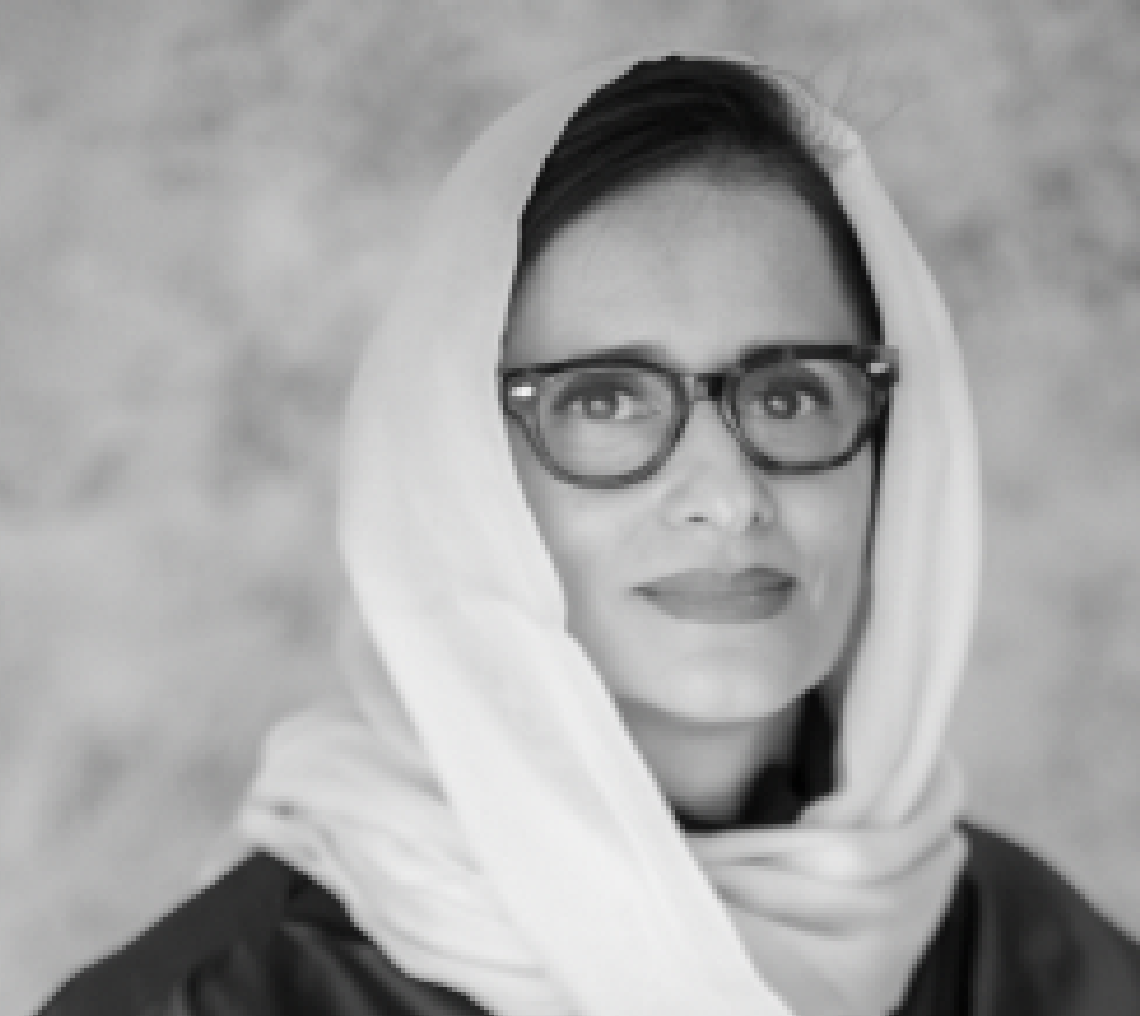
A cross-disciplinary artist and Associate Professor of Fine Art at the University of Jeddah, Effat Abdullah Fadag is interested in the intersection of art, science, and technology. In 2010, she established Naqsh Art Studio, a platform for students, academics, and artists to explore contemporary art practices. She has also curated exhibitions in Saudi Arabia and serves as a reviewer at Common Ground Research Networks.

Elena Rubashevska
Elena Rubashevska
Riyadh
Film critic, festival programmer, and mentor. FIPRESCI vice president and editor in chief. Author of the book " Ukrainian poetic cinema
Emile Aouad
Emile Aouad
Abha
Buraydah Forum
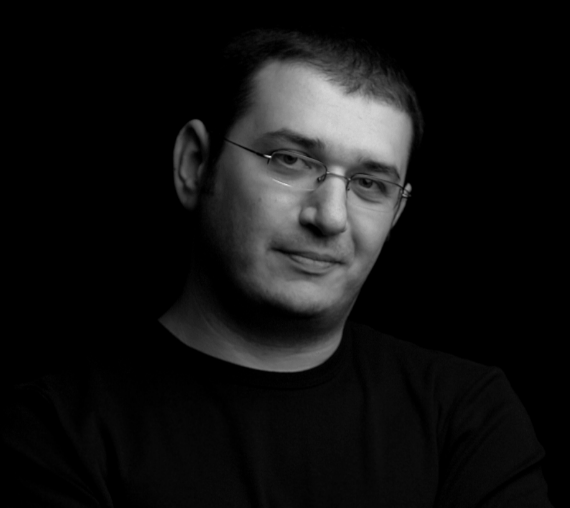
Emile Aouad grew up among musicians: his Armenian mother, who is a pianist, and his Lebanese father, a composer and a professor of oriental music. He pursued his passion through audiovisual and cinematographic studies at Saint Joseph University (IESAV) in Beirut. In 2000, he became an instructor at the same university, where he currently teaches sound design, sound recording, technical listening, and Foley artistry. Today, he puts most of his creative talent into sound design and composing music for films. He has worked on the soundtracks of more than 200 documentary films, for independent production houses and TV broadcasters. His work in music composition and sound design extends also to feature films, commercials, TV television programs, and plays.
Erfan Rashid
Erfan Rashid
Dhahran
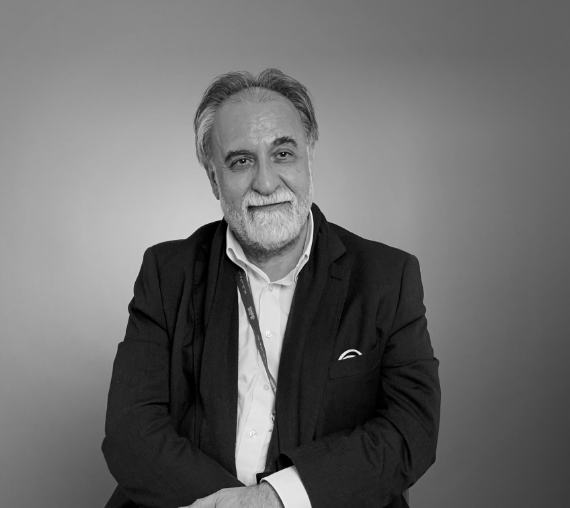
Erfan Rashid is a journalist, writer, and director, and a film critic for the TV channel Asharq News. He was born in Iraq and currently resides in Italy. He holds a BA in Dramatic Arts from Baghdad’s Academy of Fine Arts (1977). He has worked as a journalist for numerous Italian media institutions, including national broadcast network Rai, and as an Italian correspondent for many Arab media outlets, such as Al Hayat and Radio Monte Carlo. He currently presents a weekly program entitled Alsharq Cinema, broadcast from Dubai. Rashid authored the book Cinema of the Arab Countries, published in Italian, and has translated several Italian novels into Arabic, published by Al-Mutawassit in Milan, including Il Compagno, by Cesare Pavese, and Leonardo Sciascia’s Mafia trilogy.
Essam Zakareya
Essam Zakareya
AlAhsa
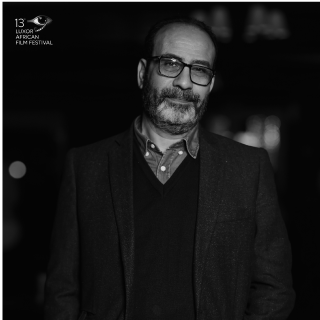
Film critic, researcher and lecturer in cinema, translator, director of the Cairo International Film Festival, former president of the Ismailia International Film Festival (2017-2024), member of the jury of many Arab and international festivals .Essam moved over 40 years between several prestigious institutions, between journalism, criticism, editorial management and holding presidential positions. During that time, he wrote and translated many cinematic books about Arab and international cinema and filmmakers
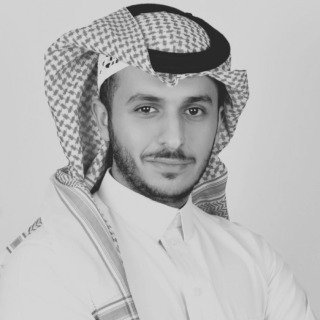
Feras Almadi
Feras Almadi
Riyadh
Feras Almadi is a Saudi film critic who has published numerous articles and reviews across various cultural platforms and magazines. He writes for Al Majalla, focusing on analyzing contemporary trends in global cinema, exploring them within their historical context, and delving into their stylistic themes. His work aims to understand and highlight the impact of visual and auditory media in crafting rich artistic experiences. Additionally, Almadi engages in dialogues with directors, artists, and critics, and conducts seminars and workshops that explore the relationship between art and popular culture, the concept of poetic cinema, and other related topics in collaboration with independent cinemas and cultural institutions.
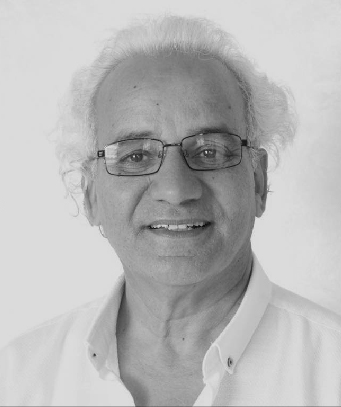
Habib Nasry
Habib Nasry
Buraydah Forum
Dr. Habib Nasry is a specialized researcher and professor in criticism, with a wealth of studies, research papers, and film critical literature. He has authored and directed a remarkable collection of documentary films. Nasry holds esteemed status as a member of several judging committees at both Moroccan and international film festivals. In addition, he has conducted numerous workshops on film analysis and documentary writing. In recognition of his exceptional contributions, he was awarded the prestigious first national prize in the field of education and training in 2010. Furthermore, Nasry’s visionary leadership led to the establishment of the renowned International Documentary Film Festival in the city of Khouribga. His impressive body of work also encompasses the publication of numerous articles and highly regarded peer-reviewed scientific studies, both within the borders of Morocco and internationally, particularly in the realm of visual arts. Moreover, he has overseen and examined the dissertations of talented individuals at various Moroccan colleges. Nasry has also spearheaded multiple scientific research teams within the field of visual arts. Presently, his expertise is in demand as he imparts knowledge on subjects of documentary film, screenplay writing, and the analysis of artistic discourses at multiple universities in Morocco. As an esteemed professional, he proudly serves as a member of both the Moroccan Chamber of Documentary Filmmakers and the Screenwriters Association. It is noteworthy that Nasry’s significant contributions to the cultural fabric have been acknowledged by his selection as one of the prominent and influential cultural figures in Morocco for two consecutive years.
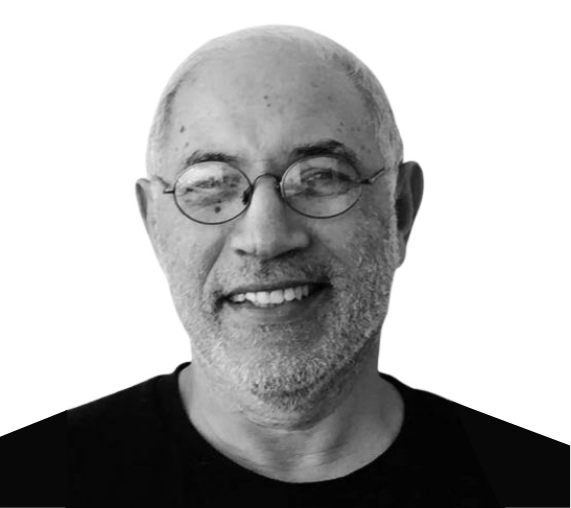
Hammadi Gueroum
Hammadi Gueroum
Abha
Hammadi Gueroum is Professor of Cinematography at Hassan II University, Casablanca. He holds a Ph.D. in literature and cinema and a postgraduate diploma in narrative discourse analysis. He founded the Rabat International Auteur Film Festival (FICAR — Festival International du Cinema D’Auteur de Rabat) and continues as its artistic director. He is also director and president of the International Independent Film Festival in Casablanca, and he has founded several cultural and research organizations in Morocco, including the Moroccan Association of Film Critics and the Moroccan Association for Academic Research in Cinema. He serves on the committees of several national and international festivals, and he has supervised a number of workshops and screenwriting ateliers. His publications include Adaptation: From Novel Narrative to Cinematic Narrative (2005).
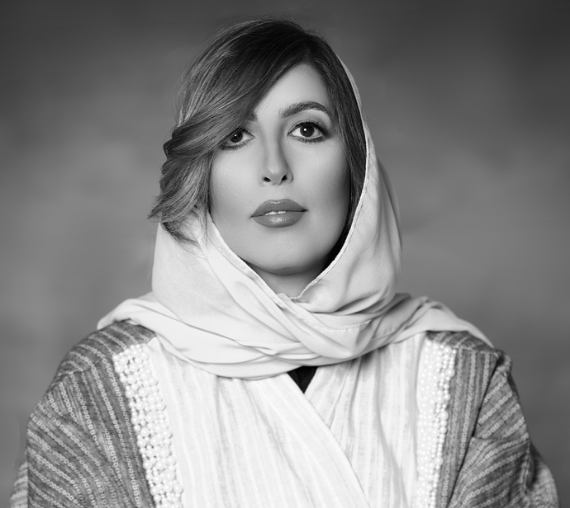
Hana Alomair
Hana Alomair
Dhahran
Hana Alomair is the writer-director of “The Complaint,” awarded Best Short Film at the 2015 Saudi Film Festival. She is the co-writer and director of the first Saudi Netflix original miniseries, Whispers (2020), and the writer of Sharshaf, which won the Red Sea Lodge production grant of $500,000. Her current film project, Dancing on Fire, was selected as one of six Saudi projects in the Red Sea Lodge and won a prize of $70,000 from Shahid at the Red Sea Film Festival Market. She works as a content advisor for MBC and is the chair of the Saudi Cinema Association.

Harshini J. Karunaratne
Harshini J. Karunaratne
Riyadh
Harshini J. Karunaratne is a Sri Lankan–Peruvian digital artist working at the intersections of film, theater, and technology. Her work has been shown at the FILE Festival in Sao Paulo, Burning Man in Black Rock City, Nevada, and Art Dubai. Based in Berlin, Karunaratne lectures at local universities on media theory and performance studies. She is also the organizer and lead curator for MANIFEST:IO, a symposium for new media and electronic art that launched in Berlin in February 2023.
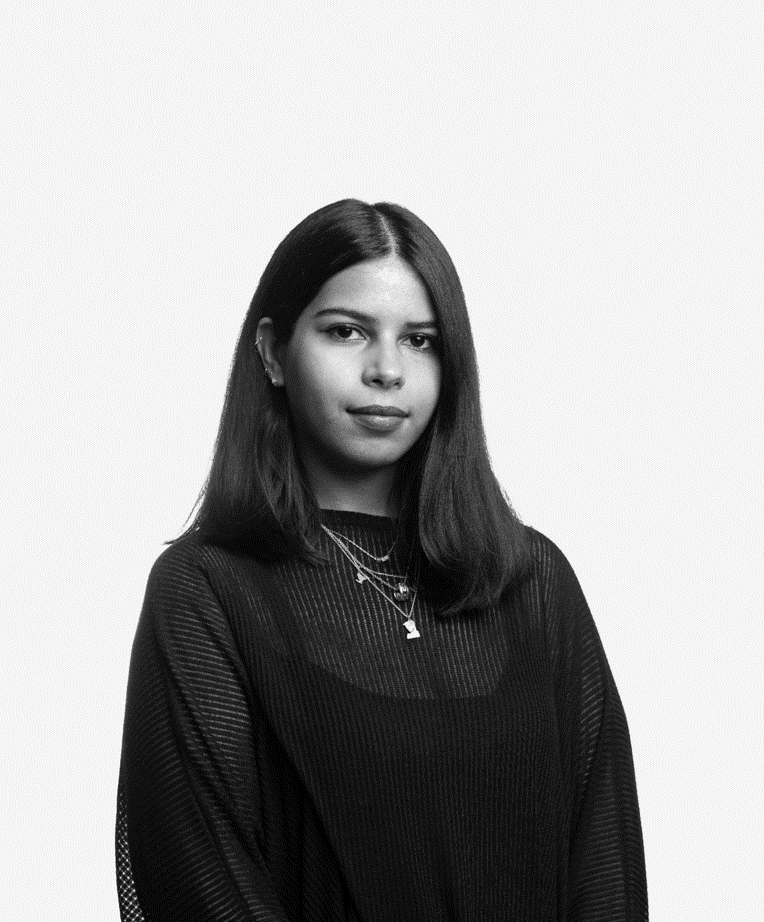
Haya Alghanim
Haya Alghanim
Riyadh
Haya Alghanim is an artist and filmmaker based between New York City and Kuwait City. Her work engages the subjects of digital activism, collective intelligence and action, and the politics of art, and it has been exhibited at various international venues, including the Sharjah Art Foundation, Misk Art Institute, the Arab American National Museum, and Lothringer 13 Halle. Her feature film in development is supported by the Red Sea Film Festival Foundation, TorinoFilmLab, and the Royal Film Commission - Jordan.
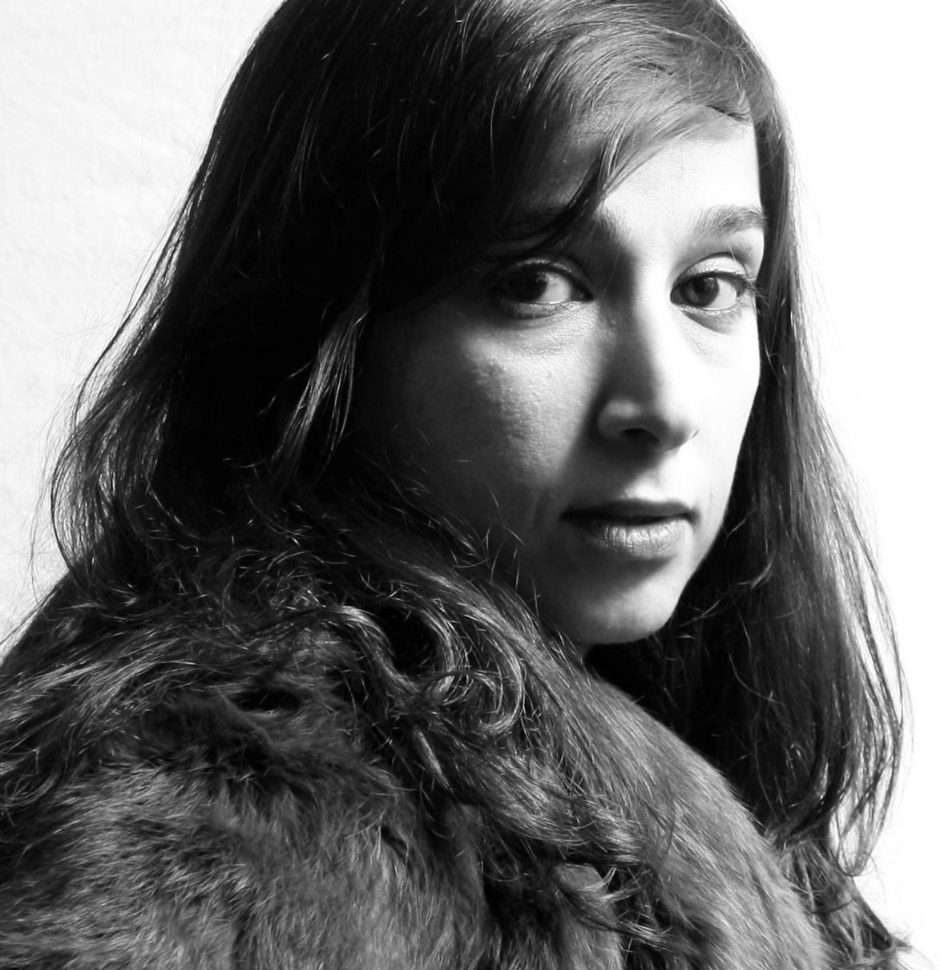
Haya Al-Hossain
Haya Al-Hossain
Scholar, painter, poet, filmmaker, and holder of a doctorate in Film Studies, Haya Al-Hossain has lived in Mauritania, Qatar, Saudi Arabia, the US, France, and Germany and has traveled throughout most of Europe and the Middle East. She has been exhibiting her artwork since 1998 and has worked in film since 1999.

Heba Othman
Heba Othman
Hail
An editor who graduated from the Higher Institute of Cinema, she worked on many films with important directors and edited 4 feature films. Her first film was “Out of Day” directed by Hala Lotfy in 2012. “Out of Service” directed by Mahmoud Kamel in 2015, and she won the Best Editing Award from the Film Association for the same year. “You Will Die at Twenty” directed by Amjad Abu Al-Ala, a joint Sudanese-Egyptian film produced in 2019. One of her most important films was “Curfew” in 2020, directed by Amir Ramses, and she won the Best Editing Award from the Film Association.

Hideaki Fujiki
Hideaki Fujiki
Riyadh
Hideaki Fujiki is Professor of Cinema Studies at Nagoya University, Japan, and Director of the Center for Transregional Culture and Society at the university’s Graduate School of Humanities. His publications include Making Audiences: A Social History of Japanese Cinema and Media (2022), Making Personas: Transnational Film Stardom in Modern Japan (2013), and The Japanese Cinema Book (co-edited with Alastair Phillips, 2020). He is currently completing two monographs on media and ecology.
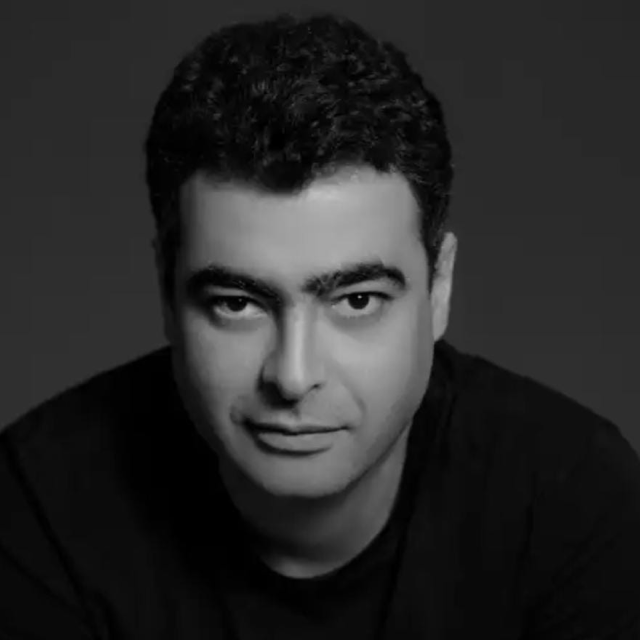
Hisham Nazih
Hisham Nazih
Hail
One of the most brilliant and prolific composers of soundtracks in Arab cinema. His music has been associated with popular works by a number of directors, most notably: Radwan Al-Kashef, Sandra Nashat, Marwan Hamed, and Tarek Al-Aryan. Due to the abundance of his musical works and the use of musical pieces for every scene in the film, his presence will be an added value in this symposium to talk about his relationship with criticism and the critics’ discussion of his enhanced role in the artistic work.

Ibrahim Al Aris
Ibrahim Al Aris
Riyadh
Buraydah Forum
Born in Beirut, worked in cinema before studying directing in Rome and criticism and screenwriting in London, and turned to writing about cinema and the history of culture. He published two magazines before working in journalism, especially in Al Hayat ” for sixty books as an author and seventy as a translator from French and English on various issues
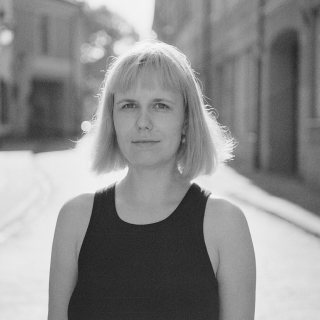
Ieva Šukytė
Ieva Šukytė
Riyadh
Ieva Šukytė has been a member of FIPRESCI since 2020 . She served in Venice, Berlin and other festivals as FIPRESCI JUROR. She also works for Vilnius Short Film Festival as senior programmer.
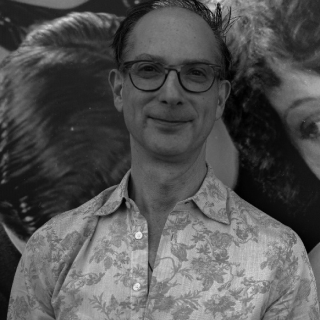
Jay Weissberg
Jay Weissberg
Riyadh
Since 2016 , film historian and critic Jay Weissberg has been the director of the Giornate del Cinema Muto/ Pordenone Silent Film Festival, the world s largest and oldest festival of archival silent film.
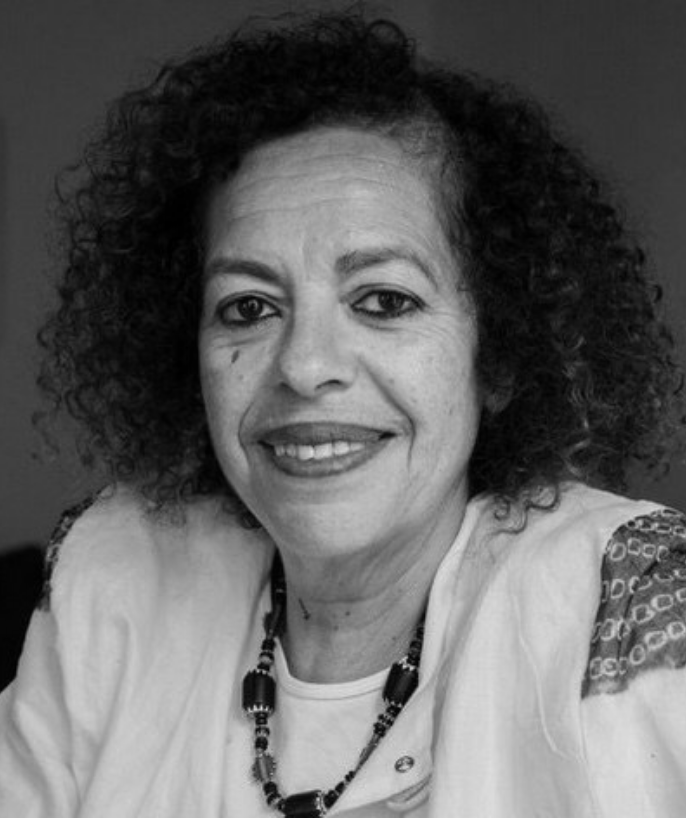
Jihan El-Tahri
Jihan El-Tahri
Award-winning director, writer, visual artist, and producer Jihan El-Tahri has been a member of the Academy of Motion Picture Arts and Sciences and has directed more than fifteen films. Her visual art has traveled to museums and biennials around the world, and her published books include Les sept vies de Yasser Arafat and The Fifty Years War: Israel and the Arabs. She is a mentor in various film labs and serves in African film organizations such as FEPACI and the Guild of Filmmakers in the Diaspora.

Joseph Kickasola
Joseph Kickasola
Jeddah
Dr. Joseph G. Kickasola is Professor of Film and Digital Media at Baylor University. He is the author of numerous essays in a variety of film studies journals and anthologies, the editor of a special issue of Religions on “Film and Lived Theology,” and the author of the monograph The Films of Krzysztof Kieślowski: The Liminal Image, which won the 2006 Spiritus Award for the “best writing at the intersection of religion and film.” He specializes in the films of Kieślowski, phenomenological film theory, and religion and film, and currently serves as Secretary/Treasurer of the Society for Cognitive Studies of the Moving Image. He lives in New York City, where he runs the Baylor in New York program.
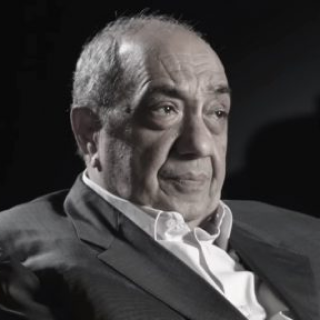
Kamal Ramzy
Kamal Ramzy
Riyadh
One of the most prominent Arab critics in the field of cinema, he began his professional career in 1968. He has several publications, including: “Art between the Turban and the State”, “Mahmoud Morsi, the Bird of Heaven and Hell”, “Egyptian Cinema Stars, Essence and Masks”, and “Kamal El Sheikh, Half a Century of Creativity”. In addition to articles, studies and research in Egyptian and Arab magazines and newspapers, in which he presented the essence of his experience with the seventh art. He also participated in arbitration committees and local and Arab festivals.
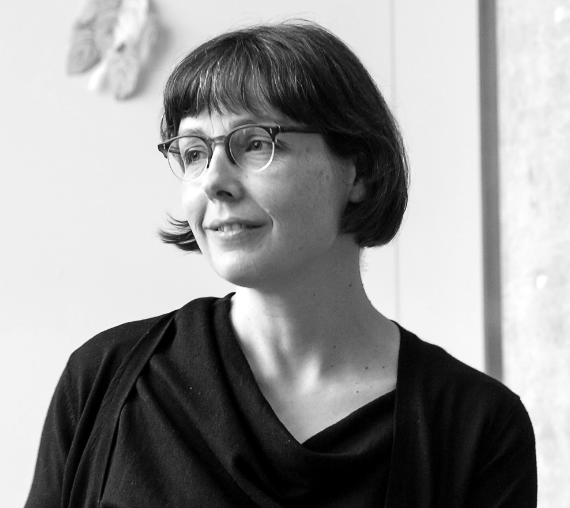
Kay Dickinson
Kay Dickinson
Dhahran
Kay Dickinson is Professor of Film and Television Studies, as well as the convenor for MA Creative Arts and Industries, at the University of Glasgow, UK. She is the author of Arab Cinema Travels: Transnational Syria, Palestine, Dubai and Beyond (2016) and Arab Film and Video Manifestos: Forty-Five Years of the Moving Image Amid Revolution (2018). She has published on various aspects of Arab popular and experimental culture in peer-reviewed journals and award-winning anthologies and is currently completing a monograph entitled Supply Chain Cinema: The Transnational Production of Big-Budget Film Workers (2023).
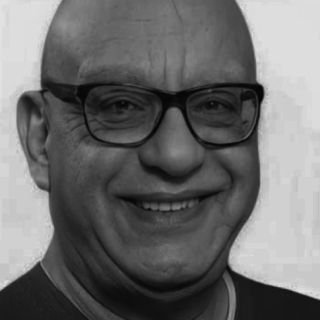
Khairy Beshara
Khairy Beshara
Riyadh
Khairy Beshara (b. June 30, 1947) is a prominent Egyptian filmmaker, one of only a handful of directors credited for redefining Realism in Egyptian cinema. Beshara graduated top of his class from the High Cinema Institute in 1967, upon which he earned a two-year scholarship to Poland to complete a staż (internship).

Kōbun Shizuno
Kōbun Shizuno
Dhahran
Kōbun Shizuno is best known for directing the animated films Case Closed: The Crimson Love Letter (2017) and, with Hiroyuki Seshita, GODZILLA: Planet of the Monsters (2017). He first directed one of the Case Closed films in 2004 and was selected as general director of the animated series G.I. Joe: Sigma 6 in 2005. After that, he returned to Case Closed, directing the series from 2011 to 2017. He also directed the animated TV series Knights of Sidonia (2014) and co-directed the whole animated trilogy GODZILLA, released in 2017 and 2018.
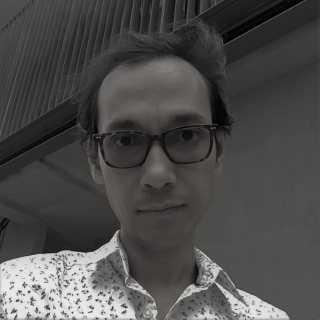
Kong Rithdee
Kong Rithdee
Riyadh
Kong Rithdee is Deputy Director of Thai Film Archive, a preservation agency and cinematheque in Bangkok, and he helps organize the long-running Thailand Short Film and Video Festival. He has been writing about film and visual art since 1996, mainly for the Bangkok Post, and has made several documentaries on the subject of Muslims in Thailand, including The Convert (2008), Baby Arabia (2010), and Gaddafi (2014), which have screened at festivals such as Vancouver, Busan, Hawaii, and IDFA in Amsterdam.

Maha Sultan
Maha Sultan
Jeddah
Maha Sultan is a cultural writer and editor passionate about cinema and film criticism. She is also the founder of the Meem Platform for Cinema and Arts. Maha has participated in several local programs, where she honed her creative skills, including planning creative projects, researching Arab and international film studies, and writing about movies. In pursuit of innovation and achievement, Maha joined the world of entrepreneurship at an early age and embarked on a journey of various interests, such as cinema, audiovisual and visual production, art, and entrepreneurship, to achieve her creative mission and future vision.
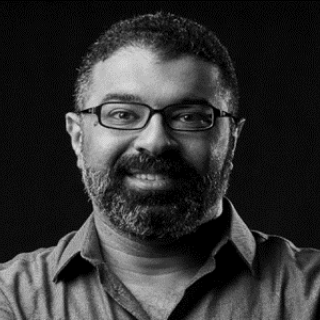
Mahmoud Mahdi
Mahmoud Mahdi
AlAhsa
صانع محتوى رقمي، ناقد سينمائي مصري.مؤسس قناة "فيلم جامد" المخصصة لمراجعة الأفلام العربية والعالمية ونقدها، وصل عدد مشتركي القناة إلى 797 ألف مشترك.
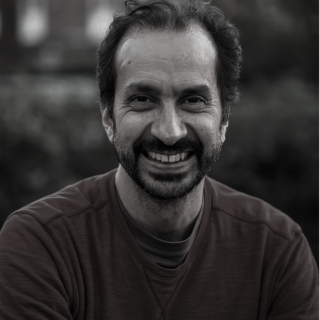
Marcelo Janot
Marcelo Janot
Riyadh
Film critic for O Globo newspaper and editor in chief of Criticos.com.br. Served as president of the FIPRESCI jury at Cannes in 2024 and recently directed a documentary TV series about film composers
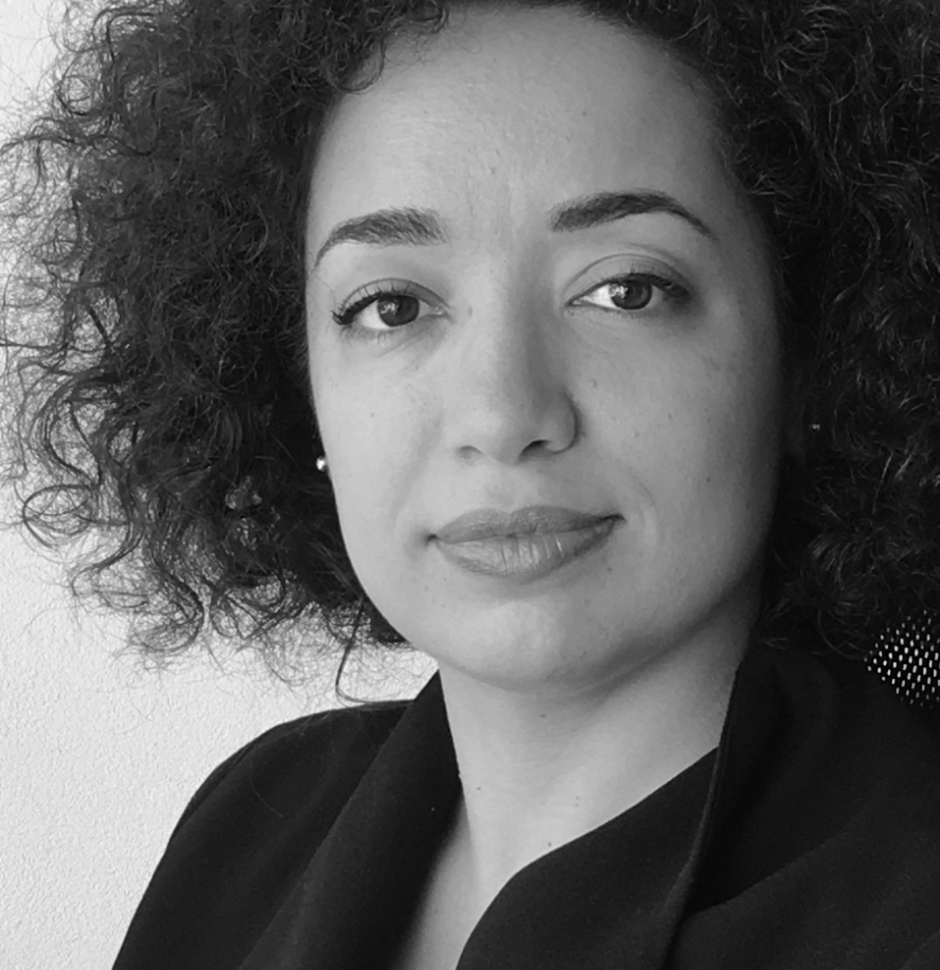
Mariam El Ajraoui
Mariam El Ajraoui
Riyadh
Mariam El Ajraoui is a cinema researcher affiliated with Université Paris 1 Panthéon-Sorbonne, specializing in Arab-world cinemas. She has published and presented scholarly work on Moroccan filmmakers Faouzi Bensaïdi (in Les arts dans la sphère publique, 2016) and Hakim Belabbès (Filmer le quotidien, 2017), and Moroccan cinema more generally (A*Desk, 2022). El Ajraoui is also a director, actress, and educator.

Marina Kostova
Marina Kostova
Riyadh
Marina Kostova is an award winning journalist, among leading film critics and reporters in North Macedonia, a Deputy of Editor in Chief of sdk. mk digital newsroom and president of the Macedonian Section of FIPRESCI.

Marlena
Marlena
Riyadh
Film critic and journalist with over 20 years of professional experience. Currently writes for Politika , Synuropa and others. Member of the International Federation of Film Critics and the European Film Academy. In addition, she consults on scripts and works as head of the industry department at the Polish Film Festival.
Mashael Abdullah
Mashael Abdullah
Riyadh
A committed film critic with a profound passion for cinema, focusing on independent, Arabic ، European ، and feminist films. My work, featured in various publications, fosters meaningful discussion on storytelling cultural & societal impact.

Matthew Tan
Matthew Tan
Riyadh
Matthew Tan is an independent filmmaker and scholar whose research has explored Malaysian, postcolonial, eco- and amateur cinema. He holds an MSt in Film Aesthetics from the University of Oxford.

Maya Al-Hajj
Maya Al-Hajj
AlAhsa
Writer and critic. She worked at Al-Hayat newspaper and headed the cultural section at An-Nahar newspaper. She presented critical segments on An-Nahar website and Daraj website. She currently presents a critical video program on Al-Araby2 platforms.
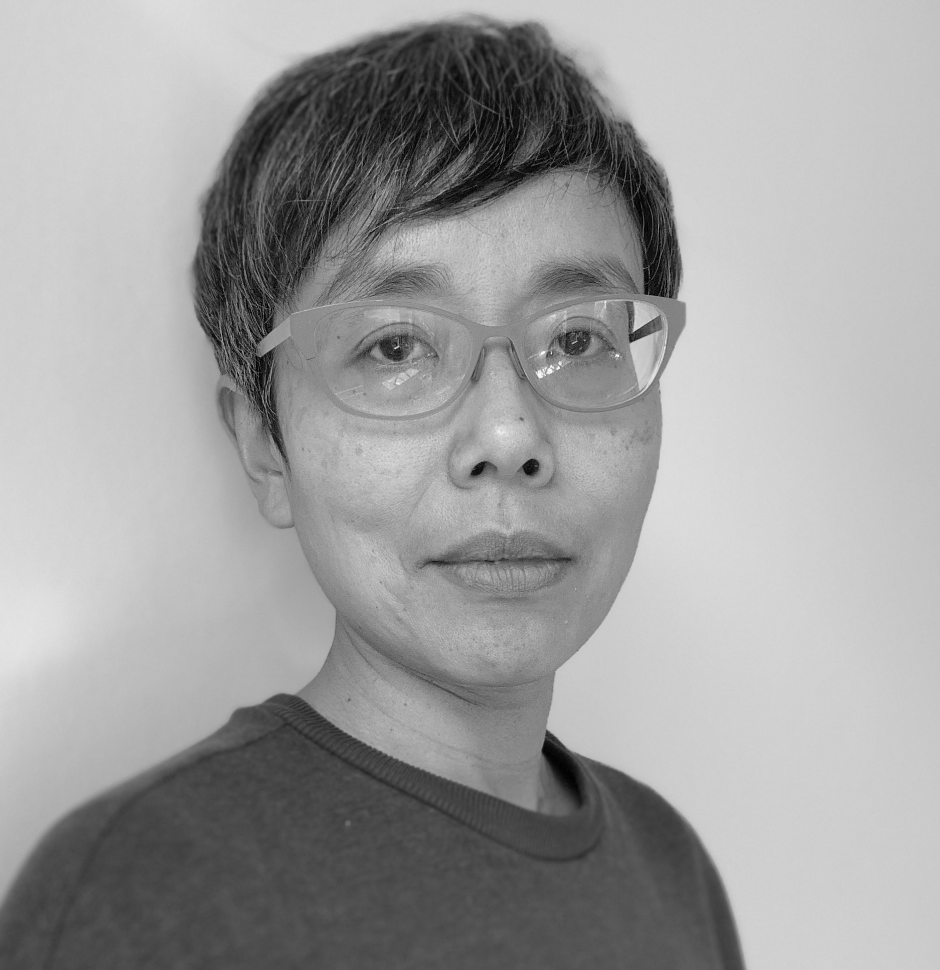
May Adadol Ingawanij
May Adadol Ingawanij
Riyadh
May Adadol Ingawanij | เม อาดาดล อิงคะวณิช is a writer, curator, and teacher. She works on Southeast Asian contemporary art, de-westernised and decentered histories and genealogies of cinematic arts, avant-garde legacies in Southeast Asia, forms of future-making in contemporary Global South artistic and curatorial practices, and the aesthetics and circulation of artists’ films belonging to or connected with Southeast Asia. She is Professor of Cinematic Arts at the University of Westminster, London, where she co-directs the Centre for Research and Education in Arts and Media.
Mikey Muhanna
Mikey Muhanna
Riyadh
Educator, podcast host, and the founder of afikra the global movement reframing Arab , world narratives through podcasts, academy courses, and community events across 30 chapters worldwide.

Mohamed Abdel Jalil
Mohamed Abdel Jalil
AlAhsa
Journalist and art critic, senior producer at Al Sharq News Channel. He has over 20 years of experience, presents a critical segment on Al Sharq Bloomberg Channel, worked in a number of Arab newspapers, platforms and news websites, in addition to art programs and documentaries on a number of channels, including: Egyptian TV, Dream, Rotana, Tahrir, and Al Ghad. He participated in covering a number of international art festivals and events, such as: Cannes, Venice, Malmö, the Red Sea, and Abu Dhabi.
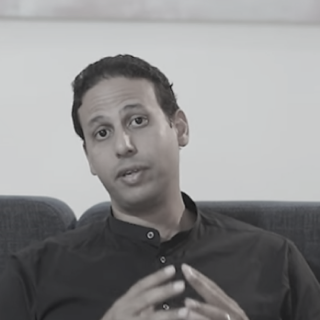
Mohamed Abousoliman
Mohamed Abousoliman
Riyadh
Filmmaker and creator of the CINEMATOLOGY Youtube Channel and Podcast.
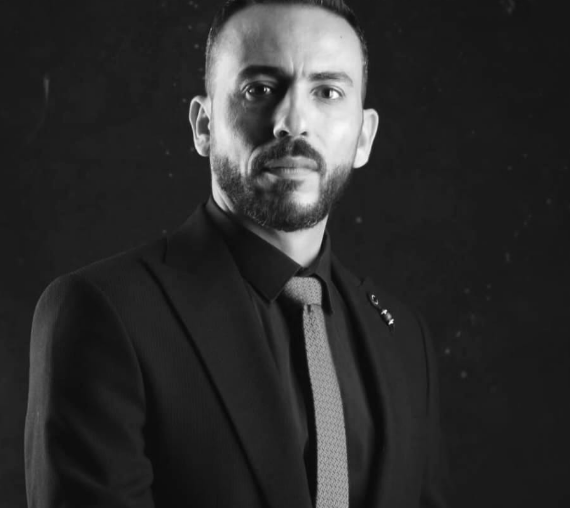
Mohamed Sobaih
Mohamed Sobaih
Dhahran
Dr. Mohamed Sobaih is Assistant Professor at Effat University in Jeddah. He has 20 years of experience directing 2D and 3D animation and has worked on projects and taught in South Africa, Egypt, France, Guyana, and more, particularly in his former position as a business developer and trainer for Toon Boom Animation. In 2021 he was nominated for the Parallel Shows program within the Saudi Cinema program at the Saudi Film Festival, and he won the top prize at the 48 Hour Film Project festival in Durban in 2015. His animation work has also been shown in festivals in Brazil, the UK, Italy, and Nigeria.
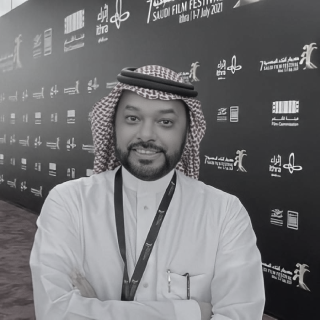
Mohammed Al Bashir
Mohammed Al Bashir
Riyadh
Hail
Supervisor of the Cinema Committee, Al Ahsa Culture and Arts Association, founding member of the Film Association, PhD in Criticism from King Faisal University, and has a number of critical research and studies published in local and Gulf magazines and electronic platforms
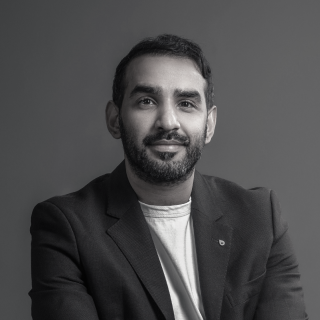
Mohammed Al Salman
Mohammed Al Salman
Riyadh
Writer, Director and Producer. He has written, directed and produced 4 short films. His first short film “In Between” was selected as the opening film of the 2016 Saudi Film Festival, and two of his short films are showing on Netflix. His first feature film “The Raven’s Song” was written, directed and produced by him in partnership with Telfaz 11.

Mohammed Ghazala
Mohammed Ghazala
Hail
A professor of animation and the head of the School of Cinematic Arts at Effat University in Jeddah, which is the first academy of its kind in Saudi Arabia dedicated to film and animation studies. Additionally, he serves as the vice president of the International Animated Film Association (ASIFA) and is the founder of its regional branch in Africa and the Arab world.
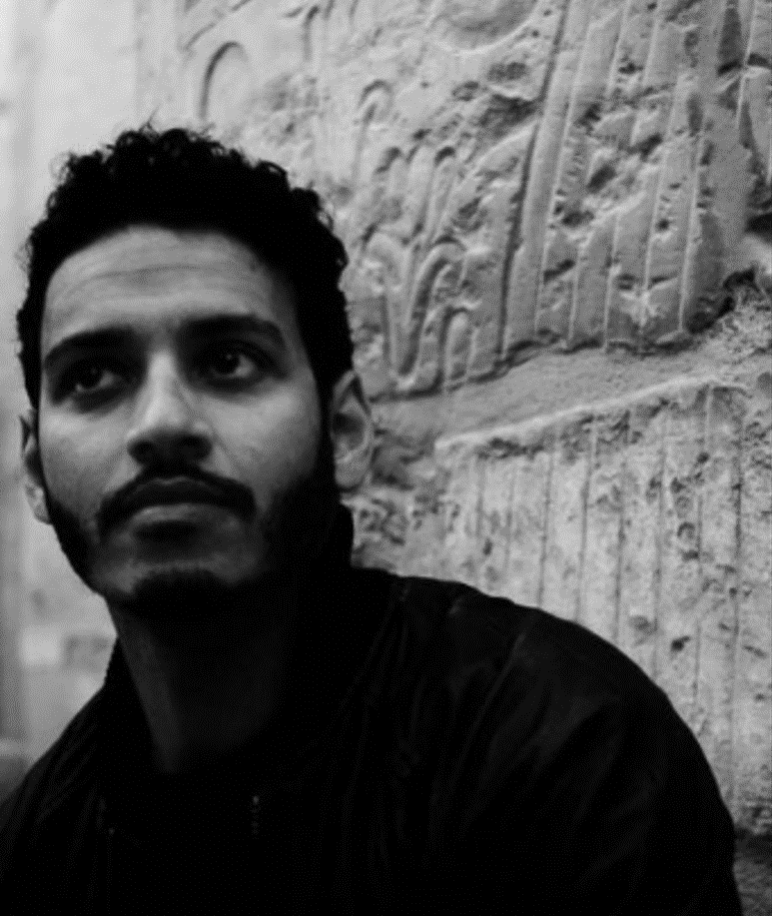
Mohammed Hammad
Mohammed Hammad
Riyadh
Over fifteen years in film and TV production, Jeddah-based Mohammed Hammad has worked for MTV Arabia, MBC, and DMI; most recently he was creative director for Saudi’s electronic music festival MDLBEAST. Hammad creates immersive art films that navigate his upbringing in London and Paris while maintaining his cultural roots. His latest work, a musical comedy horror mash-up, Yallah, Yallah Beenah!, was selected for 21,39 Jeddah Arts and showcased at the Red Sea International Film Festival.

Mohammed Tarek
Mohammed Tarek
Riyadh
Egyptian film critic and programmer who works as a programmer for Cinema Akil and shorts programmer for Dublin International Film Festival, in addition to working as a consultant to the Cairo international film festival’s president.
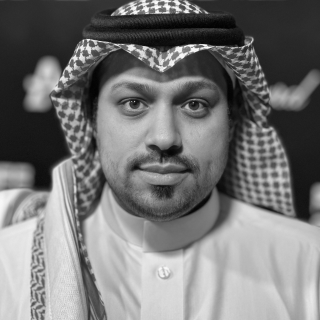
Musab Alamri
Musab Alamri
Riyadh
Musab Alamri is a consultant and assistant professor of film. He has led high-profile cultural projects in both government and private sectors. Alamri holds an MFA from NYFA and a PhD from the University of Nottingham. He has published three peer-reviewed research articles and authored two books, including Film Directing in 2024.

Naminata Diabate
Naminata Diabate
Jeddah
Naminata Diabate, Associate Professor of Comparative Literature at Cornell University, is a scholar of gender, sexuality, and race. Her most recent work on literary fiction, cinema, visual arts, and digital media has appeared in a monograph, peer-reviewed journals, collections of essays, and public platforms, including podcasts, newspapers, and news outlets. Her book, Naked Agency: Genital Cursing and Biopolitics in Africa, was published by Duke University Press in 2020 and awarded the African Studies Association 2021 Best Book Award and the African Literature Association 2022 First Book Prize. This year, she holds the Ali Mazrui Senior Research Fellowship at the Africa Institute of Sharjah in the United Arab Emirates, where she is working on two monographs, “Pleasure and Displeasure in Global Africa” and “Digital Insurgencies and Bodily Domains.”
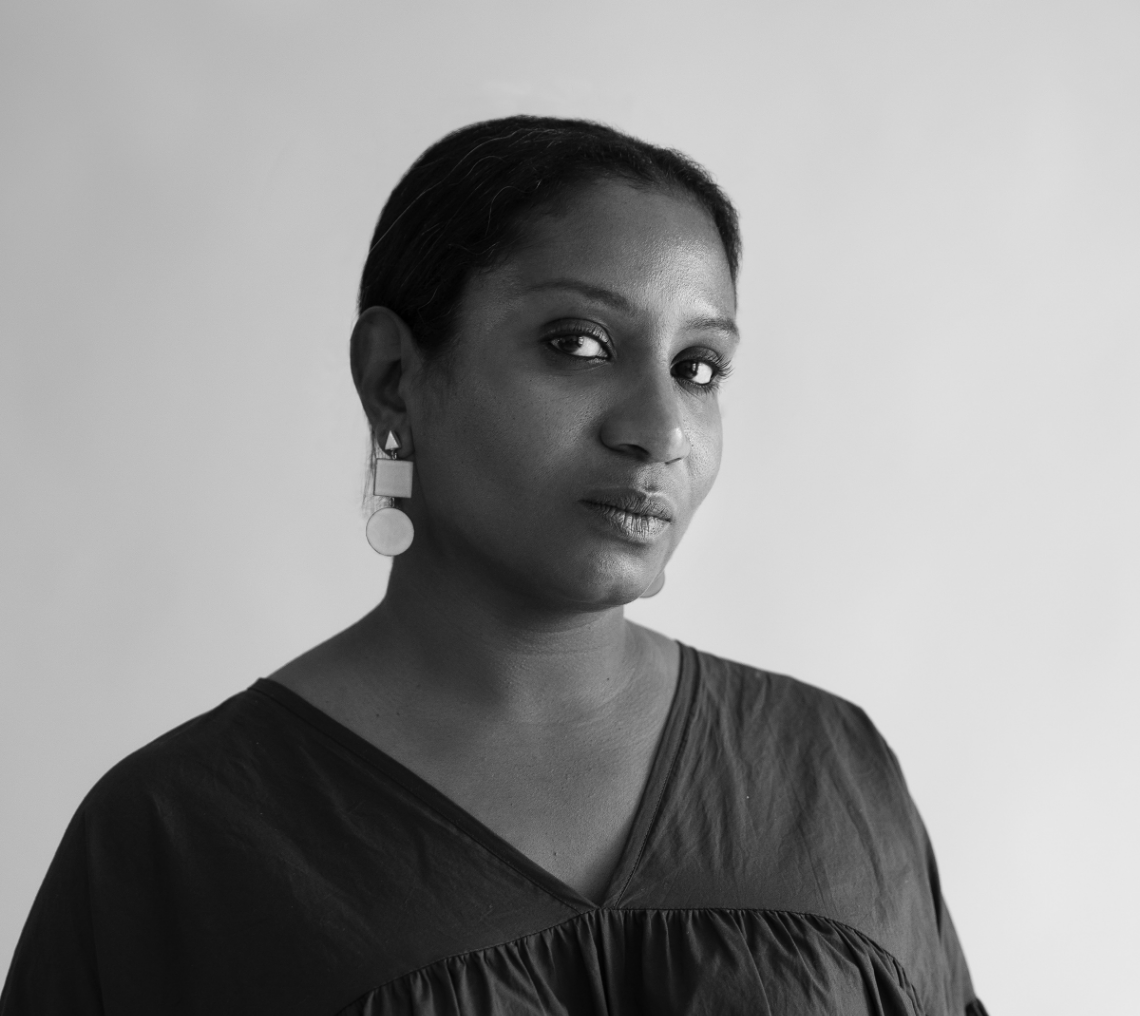
Nehal El-Hadi
Nehal El-Hadi
Tabuk
Dr. Nehal El-Hadi is a Toronto-based researcher who writes about environmental issues and the social impacts of technology for such publications as Guernica and The New Inquiry. She is Science & Technology Editor at The Conversation Canada and Editor in Chief of Studio magazine. She is currently in residency at Toronto’s Theatre Centre, developing a live arts event that examines privacy, consent, and surveillance in public spaces.

Ola Salwa
Ola Salwa
Riyadh
Polish film critic, journalist with over 20 years of professional experience. She currently writes for Polityka , Cineuropa among others. She is a member of Fipresci and European Film Academy. Additionally, she consults scripts and holds a position of head of industry at Polish Film Festival. Ola is learning Arabic and wants to focus on Arab cinema
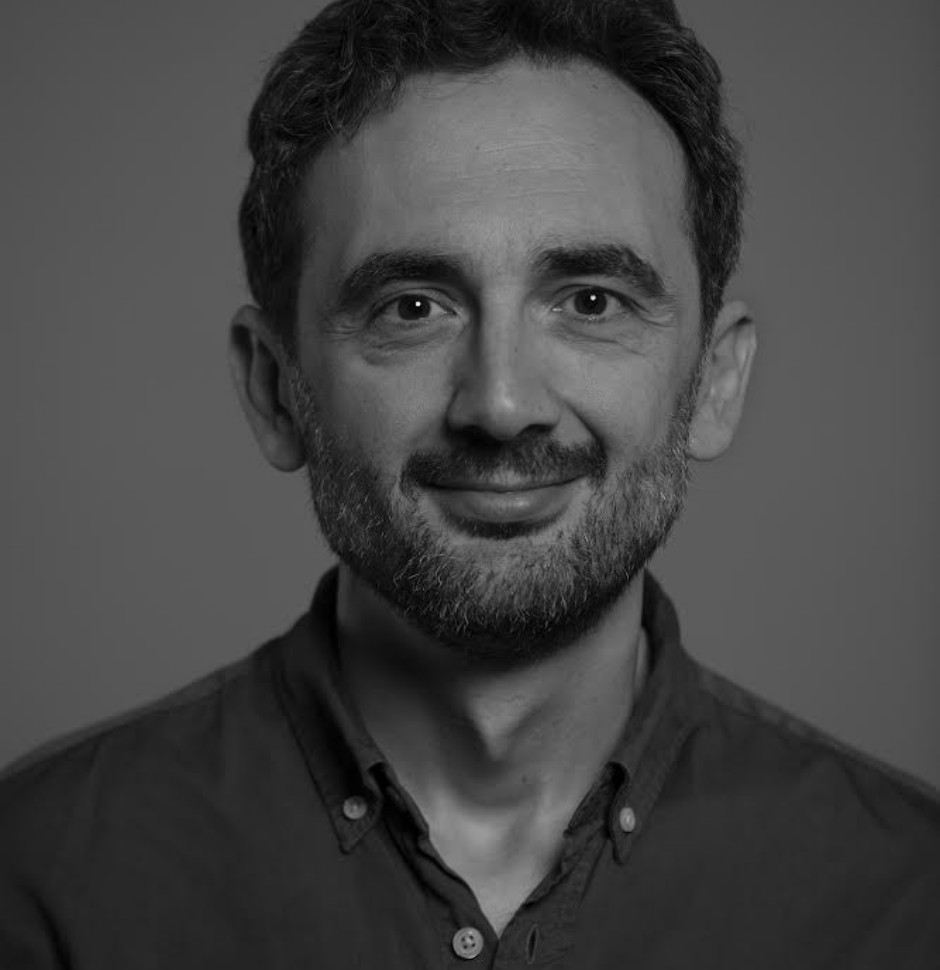
Özgür Yaren
Özgür Yaren
Riyadh
Özgür Yaren is a film scholar and lecturer, currently at Chulalongkorn University, Bangkok. His research interests encompass film theory, film history, aesthetics, and cultural studies, with publication in Camera Obscura, the Journal of Popular Culture, and European Journal of Cultural Studies, among others. His latest research focuses on Islamic-conservative art taste and the aesthetic criteria of conservative elites, and how it has transformed art in Turkey. Yaren is a board member of the Turkish SANART Association of Aesthetics and Visual Culture.

Paola Casella
Paola Casella
Riyadh
Film Critic for MYmovies . She is Vice President and Italian National Delegate of FIPRESCI and a member of the selection committee of the European Discovery Awards
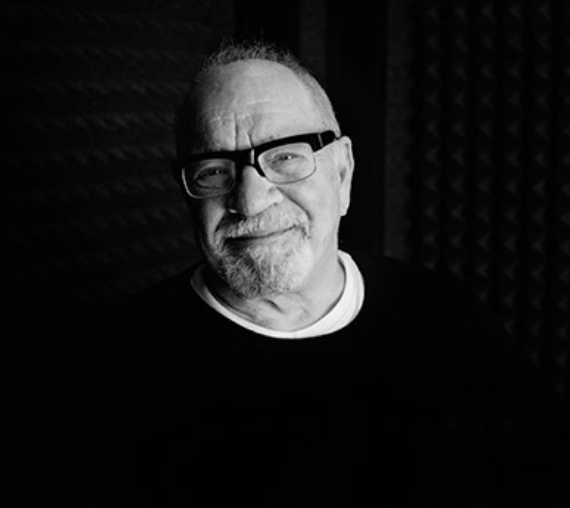
Paul Schrader
Paul Schrader
Jeddah
Screenwriter and director Paul Schrader was born on July 22,1946, in Grand Rapids, Michigan. He earned his BA from Calvin College, then his MA from UCLA, while working as a film critic and writing Transcendental Style in Film. He attended the inaugural class at the American Film Institute (AFI). He has written or directed over thirty films, including four collaborations with Martin Scorsese. The first, Taxi Driver, won the Palme d'Or at Cannes Film Festival. In 1978, he directed his first film, Blue Collar. Schrader’s catalog of film includes American Gigolo, Cat People, Mishima, and Affliction. In 2019, Schrader was nominated for an Academy Award for Best Original Screenplay for First Reformed, which he also directed.
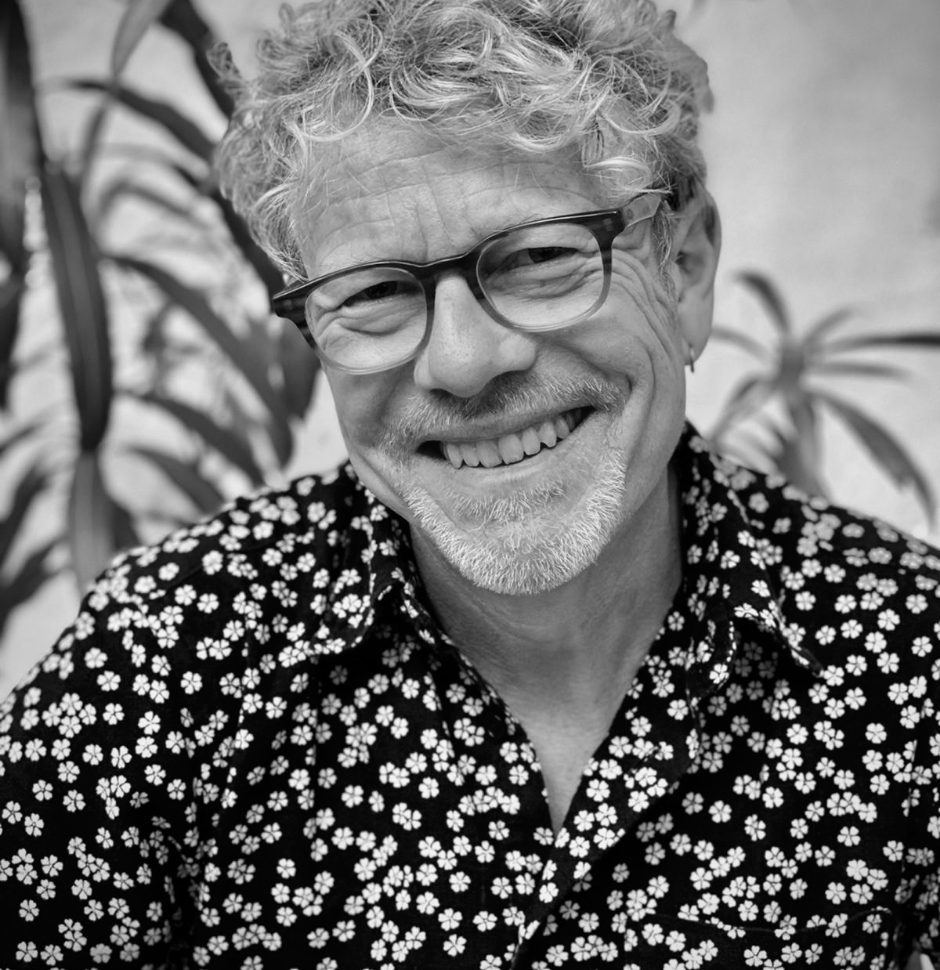
Peter Limbrick
Peter Limbrick
Professor and Chair of Film and Digital Media at the University of California, Santa Cruz, Peter Limbrick is the author of Arab Modernism as World Cinema: The Films of Moumen Smihi (2020); he also curated a retrospective of the Moroccan filmmaker, with screenings in Berkeley, Chicago, and London. With Omnia El-Shakry, he programmed the parallel symposium Unfixed Itineraries: Film and Visual Culture from Arab Worlds at UC Santa Cruz, and in 2022 he was Camus/AMIDEX chair at l’IMéRA, Aix-Marseille University.
Qasim Qias
Qasim Qias
Hail
A member of the editorial board of Arab Cinema magazine, the annual Arab Cinema Critics Awards Committee, and the Swedish Film Critics Association. He also works as a consultant for the Arab Film Festival in Rotterdam. Qais Qasim publishes articles on cinema and criticism in Arab newspapers and writes regularly about Arab and international film festivals in Al-Usbu’iya magazine. Qais Qasim is an important reference in the field of film criticism and has had distinguished coverage of the Arab film industry for decades.
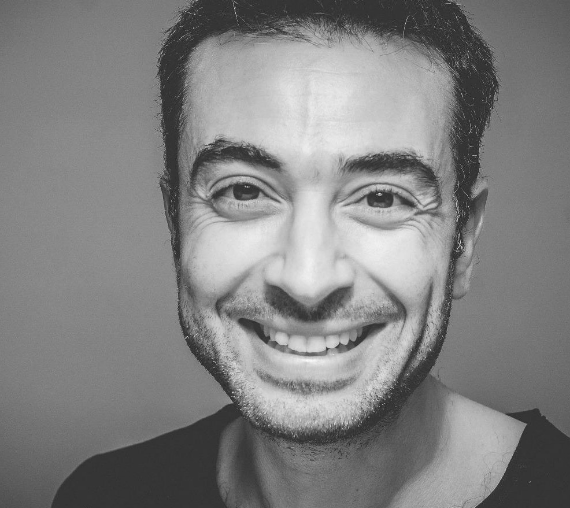
Rabih El-Khoury
Rabih El-Khoury
Dhahran
Rabih El-Khoury holds a BA in Journalism from the Lebanese American University in Beirut and an MA in Creative and Cultural Entrepreneurship from Goldsmiths, University of London. He has been working with the Metropolis Association, which manages Metropolis Art Cinema, the only art house cinema in Lebanon, since its inception in 2006. From 2006 to 2015, he also worked as general coordinator for Beirut Cinema Days, and he has organized over 20 other Arab film weeks in the Arab world and Europe. El-Khoury served as Programme Manager of Talents Beirut and curated the Film Prize of the Robert Bosch Stiftung from 2017 until 2021. Alongside his position as Diversity Manager at DFF – Deutsches Filmmuseum & Filminstitut in Frankfurt, he is a programmer at Alfilm, the Arab Film Festival of Berlin. He curates the SAFAR Film Festival of the Arab British Center in the UK and collaborates with Afrikamera in Berlin.
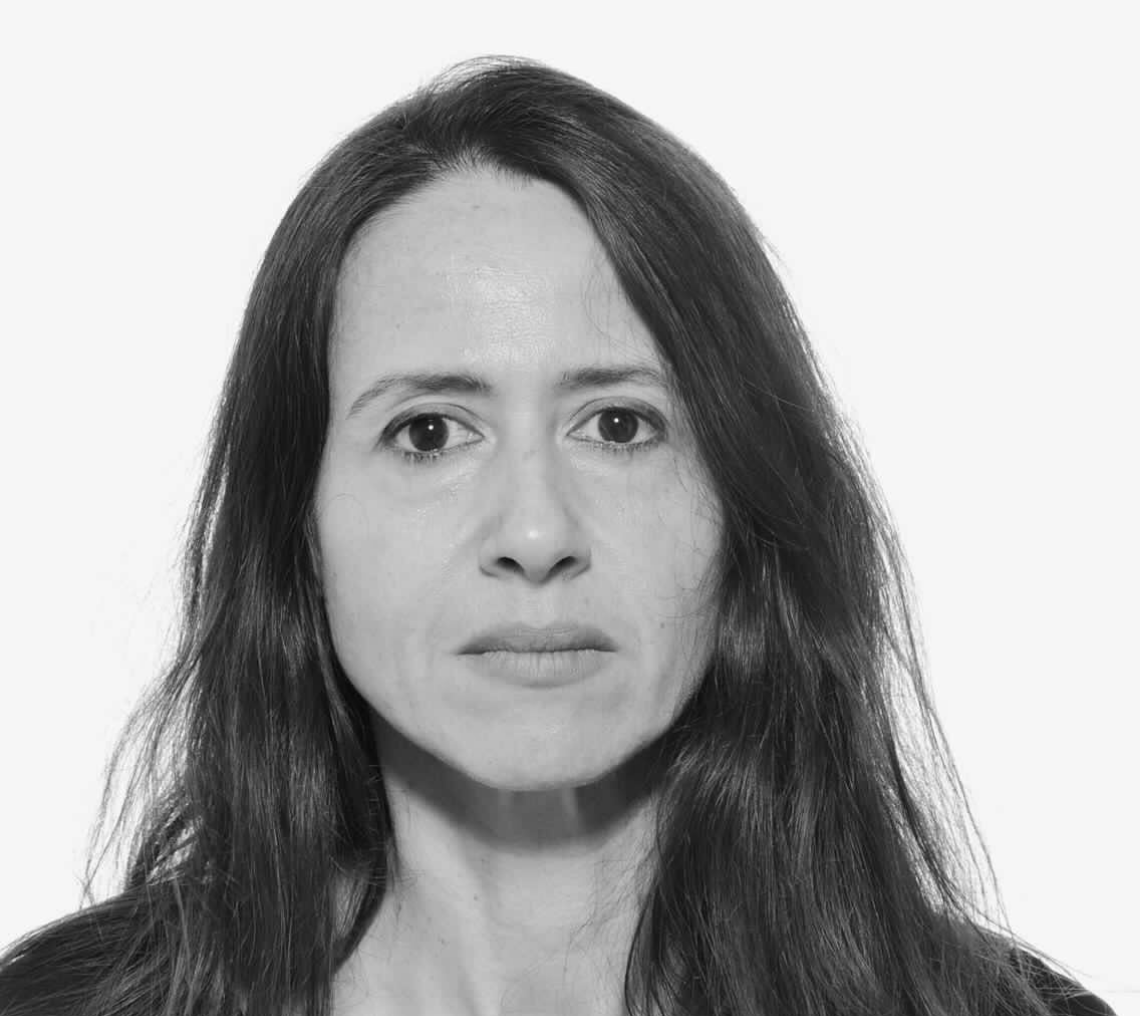
Rania Gaafar
Rania Gaafar
Buraydah Forum
Rania Gaafar, PhD, is a lecturer in global art and media studies at University of the Arts Bremen, Germany. She has previously held positions at the American University of Beirut, and, in Germany, the University of Siegen and ZKM, the Center for Art and Media in Karlsruhe. She has published on postcolonial media theory, contemporary media, and film art. She is the author of Phänomenotechniken des Films (Phenomenological Techniques in Film, forthcoming).

Rania Stephan
Rania Stephan
Buraydah Forum
Born in Beirut, Rania Stephan is an artist, filmmaker, and editor working with still and moving images. She has directed art videos and creative documentaries with a personal and poetic perspective on political events. Her most recent work delves into archival material to investigate forgotten images and sounds that haunt the present. By juxtaposing old images with new, she triggers renewed narratives and emotions.
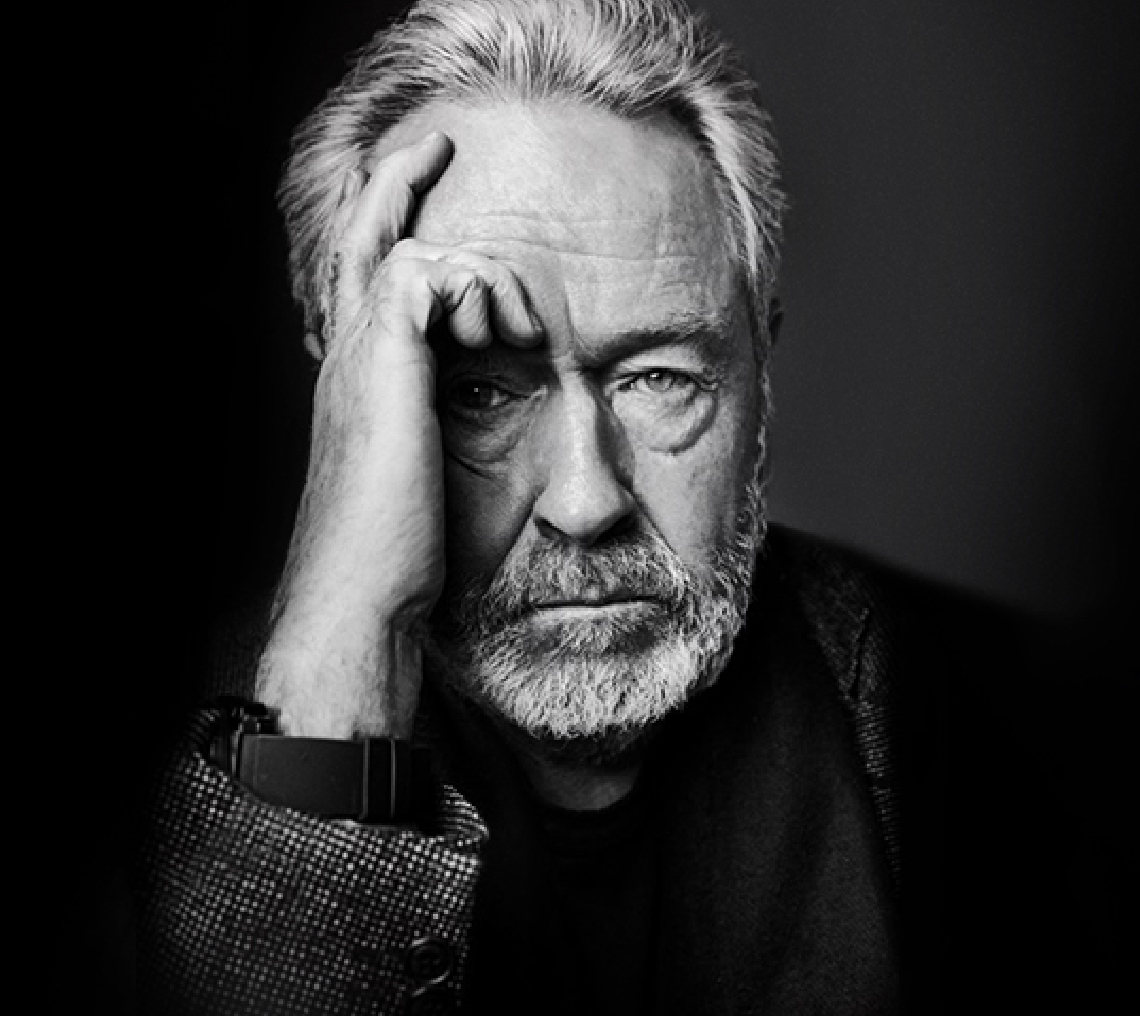
Ridley Scott
Ridley Scott
Tabuk
Globally recognized director and producer Ridley Scott is best known for films such as Thelma & Louise, Alien, Black Hawk Down, and Blade Runner. His film epic Gladiator won the Academy Award, Golden Globe, and BAFTA Award for Best Picture. He is currently in post-production on Napoleon, starring Joaquin Phoenix, Ludivine Sagnier, and Vanessa Kirby.
Rihab Boukhayatia
Rihab Boukhayatia
Riyadh
Specializing in law, journalist at Nawaat Foundation since 2019 , covering social and cultural issues, specializing in rights and freedoms.
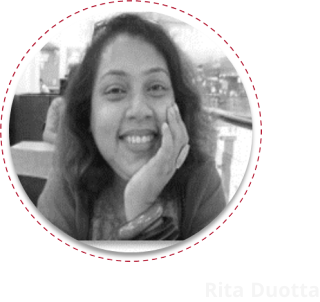
Rita Duotta
Rita Duotta
Riyadh
Professor, Film Critic and Editor. A member of International Film Critics’ Association, Fipresci, she is currently editing a book on Indian Regional Cinema. Editor of the International Film Journal “FilmBuff”
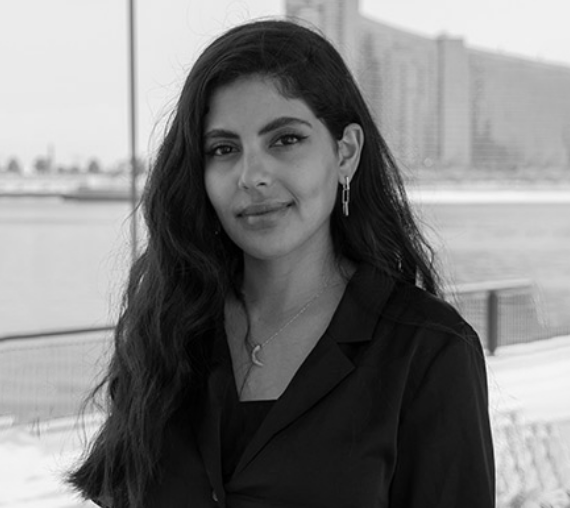
Ruba Al-Sweel
Ruba Al-Sweel
Jeddah
Ruba Al-Sweel is a multidisciplinary creative with a practice rooted in writing and research focused on online movements and digital communications. She often produces text-based works that reference pop and mass culture. Layering written and visual symbols, she parodies mass media by exaggerating certain aspects of contemporary society. She has published on visual anthropology with a focus on the Middle East; her writing has appeared in the Brooklyn Rail, Art Asia Pacific, and VICE, among others. She holds a master’s degree in media and creative industries from Sciences Po, Paris, and currently manages global communications at Art Jameel.
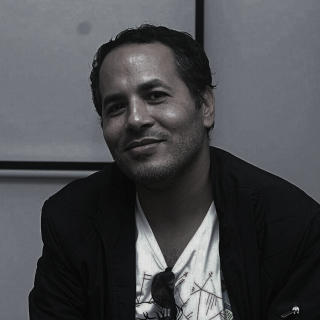
Said El Mazouari
Said El Mazouari
Riyadh
Moroccan writer, educator in the visual image, and film critic for the daily Al Araby Al Jadeed since 2018 , Said ElMazouari graduated from the Ecole Nationale de Commerce et de Gestion in Settat in 2005
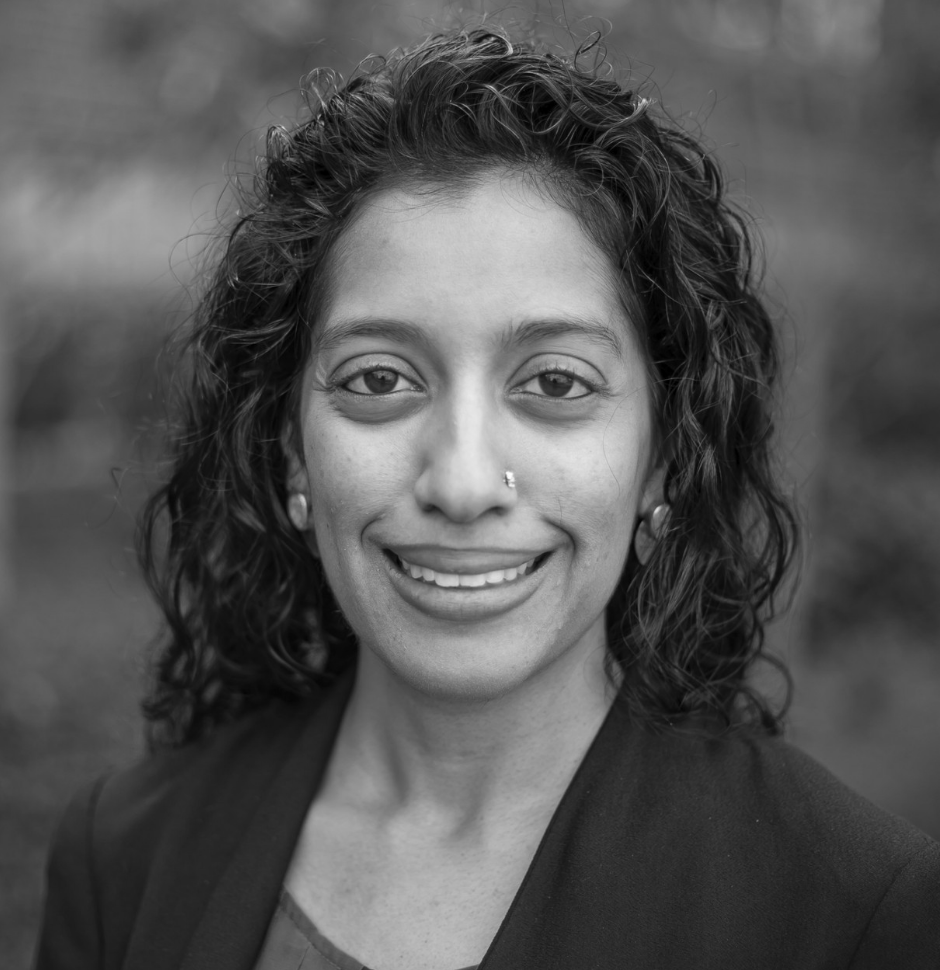
Samhita Sunya
Samhita Sunya
Samhita Sunya is Associate Professor of Middle Eastern & South Asian Languages & Cultures at the University of Virginia. She is the author of Sirens of Modernity: World Cinema Via Bombay (2022), about the global circulation of Hindi films and songs in the 1960s, and guest co-editor of a “South by South/West Asia” special issue of Film History (2020). She is the reviews editor for the journal BioScope: South Asian Screen Studies and guest programmer for the Virginia Film Festival.

Samirah Alkassim
Samirah Alkassim
Abha
Samirah Alkassim is an experimental documentary filmmaker and Assistant Professor of Film Theory at George Mason University in Fairfax, Virginia. She is currently editing a documentary about Jordanian artist Hani Hourani and doing research for a book, A Journey of Screens in 21st Century Arab Film and Media (Bloomsbury, forthcoming 2025). She is co-editor of the series Palgrave Studies in Arab Cinema.

Sara Balghonaim
Sara Balghonaim
Riyadh
Sara Balghonaim is a Saudi filmmaker with a MFA in Film and TV production from New York University. Sara’s directorial debut “Me & Aydarous” was in Official Selection at Aspen Shortsfest, Palm Springs International Shortfest, The Hamptons Int’l Film Festival, NewFilmmakers LA, and the Red Sea Int’l Film Festival in 2023. It also won the Jury award at the Saudi Film Festival and the Wasserman Award.
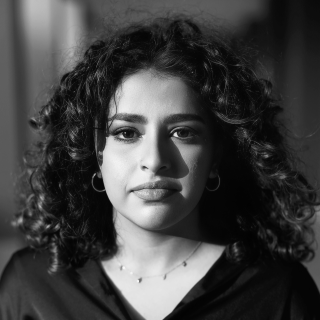
Sara Mesfer
Sara Mesfer
Riyadh
A Saudi writer and director with a degree in Cinematic Art. Known for her award winning film The Girls Who Burned the Night, Night,” she was named one of Screen International' s Arab Stars of Tomorrow.
Sérgio Dias Branco
Sérgio Dias Branco
Jeddah
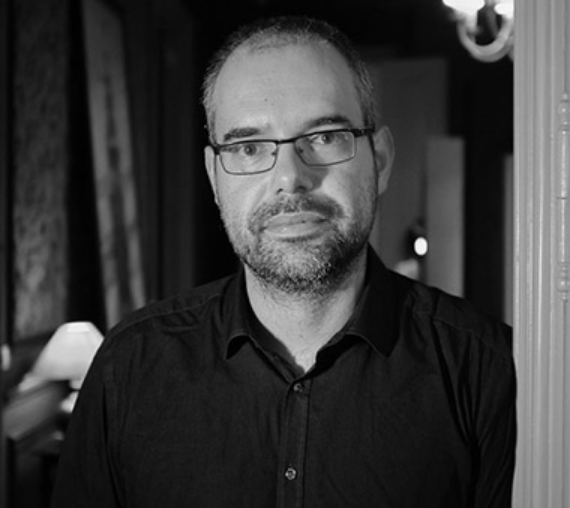
Sérgio Dias Branco is Assistant Professor of Film Studies at the University of Coimbra, Portugal, where he directs the master’s program in Art Studies and coordinates the Laboratory for Investigating and Practicing Art (LIPA). He is a researcher at the Centre for Interdisciplinary Studies (CEIS20) at the University of Coimbra and collaborates with the Research Centre for Theology and Religious Studies at the Catholic University of Portugal and Nova Institute of Philosophy. He has taught at Nova University of Lisbon and the University of Kent, where he was awarded an MA and a PhD in Film Studies. He was President of the Association of Moving Image Researchers between 2018 and 2020 and a member of its Direction Board between 2014 and 2020. He is the research coordinator of FID: Film and Interreligious Dialogue and a member of COREnet: Connecting Theory and Practical Issues of Migration and Religious Diversity.
Shubhra Gupta
Shubhra Gupta
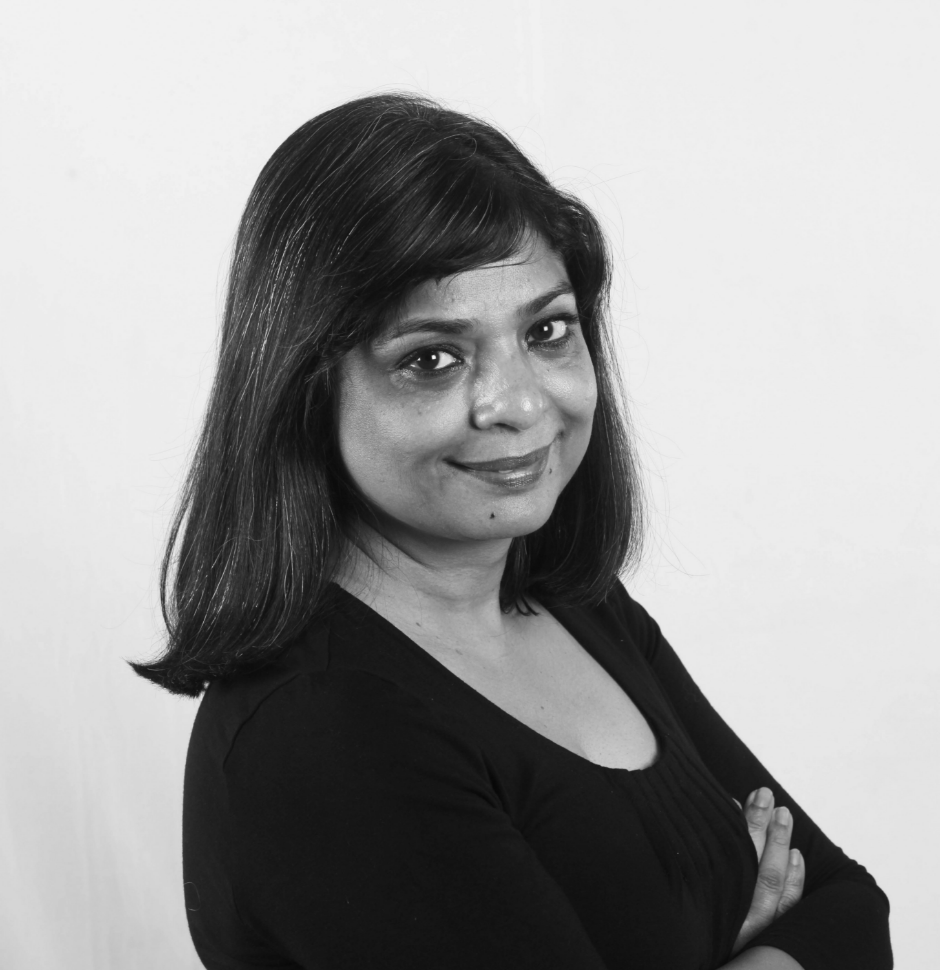
A columnist for The Indian Express for more than 20 years, Shubhra Gupta is one of India’s best-known film critics and the recipient of the prestigious Ramnath Goenka award in 2012. She curates and conducts the hugely popular platform The Indian Express Film Club, in Delhi and Mumbai, teaches courses on “Understanding Cinema,” and serves on festival juries. She is the author of 50 Films That Changed Bollywood 1995–2015 (2016) and Irrfan: A Life in Movies (2023).

Siobhan Synnot
Siobhan Synnot
Siobhan Synnot is an award-winning freelance film critic, writer and broadcaster. Brought up in Scotland, she has worked in the UK across a changing landscape of TV, radio, and digital film content. As well as reviewing, she specializes in interviews (her first was with Shirley MacLaine), features, and profiles. She has also served on national and international film juries, and is currently writing a book on Scottish cinema with stories behind some of Scotland’s best-loved films.
Sona Karapoghosyan
Sona Karapoghosyan
Riyadh
Film critic and curator based in Yerevan, Armenia. In 2017, she joined Golden Apricot International Film Festival as a program curator, and co-founded GAIFF Pro, the industry platform of the festival. qIn recent years she managed and curated multiple film screenings and film-related projects in Armenia. Member of the International Federation of Film Critics (FIPRESCI).

Sreya Mitra
Sreya Mitra
Dhahran
Sreya Mitra is Associate Professor at the Department of Mass Communication, American University of Sharjah, UAE. Her research focuses on popular Indian cinema, television and new media discourses in South Asia, stardom and celebrity culture, fandom studies, gender, globalization, and culture industries. She has presented her research at various international conferences, and her work has been published in the edited collections Reorienting Global Communication (2010), Transnational Stardom (2013), and Nation, Nationalism and the Public Sphere (2020), and in the peer-reviewed journals South Asian History and Culture (2012), Celebrity Studies (2018, 2020, 2021), South Asian Popular Culture (2020), Transformative Works and Cultures (2020), and Middle East Journal of Culture and Communication (2021).

Suad Bishnak
Suad Bishnak
AlAhsa
Composer, holds a Bachelor of Music Composition from one of Canada's music schools, McGill University, and is a graduate of the prestigious Canadian Film Centre. Her filmography includes more than 40 works, where she composed the soundtracks for feature and short films. Her works were nominated for international awards, and she won the silver medal at the World Music Awards for her piece "The Road to Jenin".
Syed Ali Haider
Syed Ali Haider
Jeddah
Riyadh
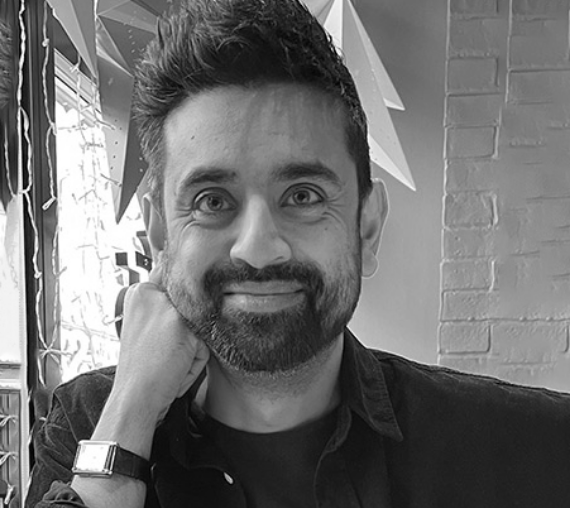
Syed Haider is Lecturer in World Cinemas at the University of East Anglia. His research focuses specifically on the role and representation of Muslims and Islam in Hindi cinema, with his most recent publication in an edited volume titled Muslims in the Movies (2021), which explores the use of Sufism and Sufi aesthetics in Bollywood. He is currently working on a monograph looking at Muslim modernities on the Hindi screen.
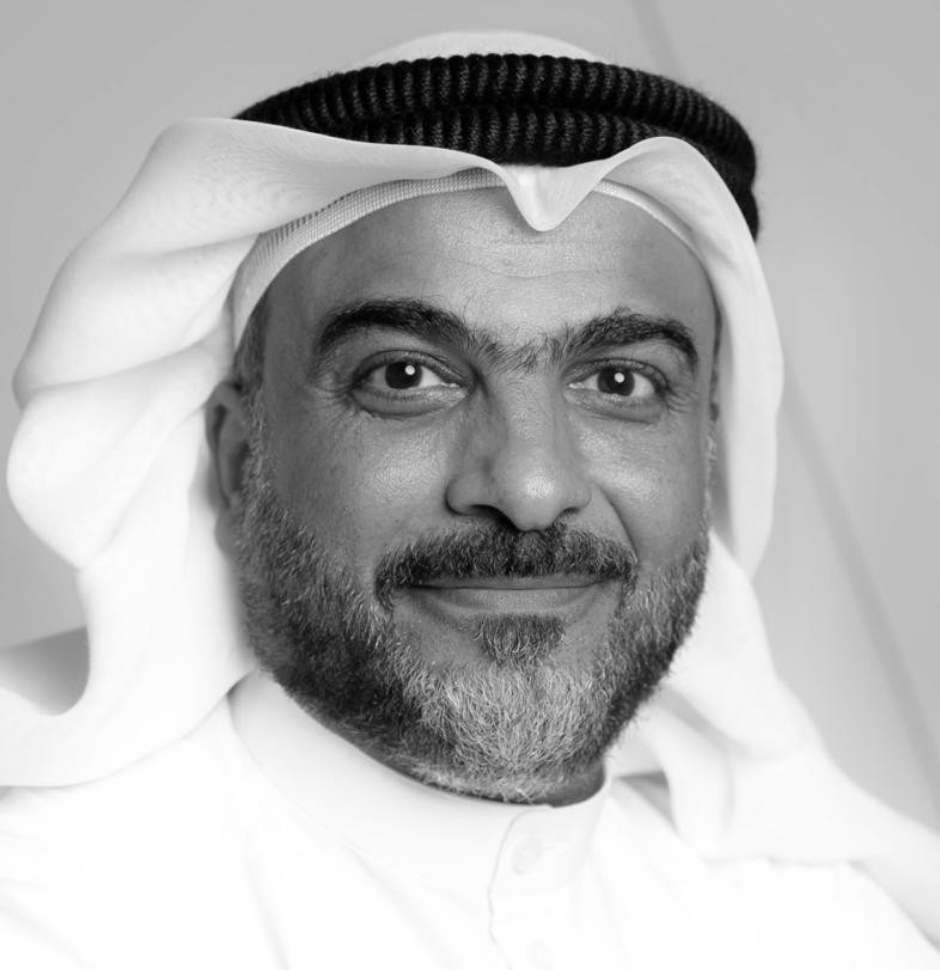
Tariq Khawaji
Tariq Khawaji
Riyadh
Tariq Khawaji is the chief librarian at Ithra, as well as the general supervisor and advisor for Ithra’s cultural programs. Khawaji is also a film critic and author of the books Anime Castle and The Player at the Gates of Dawn. For newspapers such as Asharq Al-Awsat, Al-Watan, and Al-Riyadh, he has covered cinema, music, novels, and art. He has also served as a judge for writing and film competitions and participated in many literary and artistic festivals in the Arab world.

Taryn Joffe
Taryn Joffe
Riyadh
Taryn Joffe is the Festival Manager of the Joburg Film Festival and Co Chair of the Documentary Filmmakers ’ Association of South Africa. She was formerly a Festival Programmer and the Industry Coordinator at Encounters South African International Documentary Festival. Taryn' s expertise includes curation, writing and distribution.
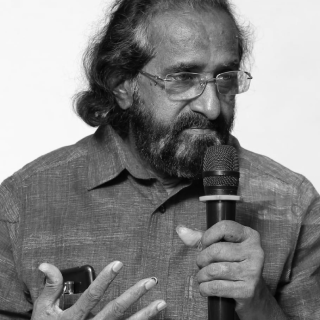
Vk Joseph
Vk Joseph
Riyadh
Film critic, poet, novelist, film activist, President of the Critics Association, Member of the Indian Chapter of the Council for Masters in Film Studies at Malayalam University, Kerala.
Wael Abu Mansour
Wael Abu Mansour
Riyadh
The Saudi director and writer was born in 1980 in Riyadh. He studied in America and began his career working in journalistic writing, then devoted himself to cinematic work, starting with directing and writing short films and documentaries.
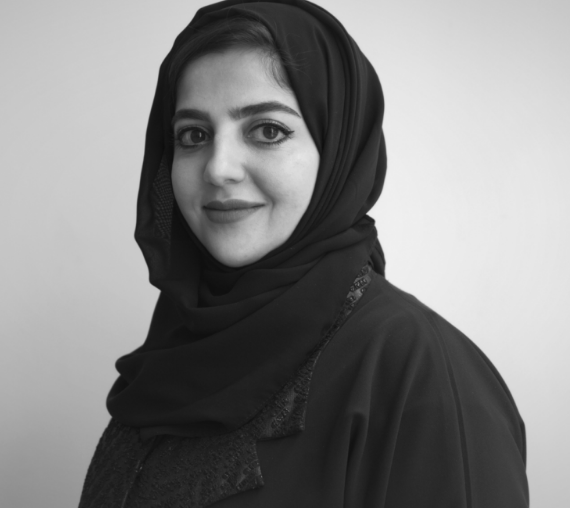
Walaa Sindi
Walaa Sindi
Dhahran
Walaa Sindi, a 3D character animator, received an MFA in Animation and Visual Effects from the Academy of Art University in San Francisco in 2015. She has collaborated with Pixar, BlueSky, and others, and now consults on development for similar academic programs at other Saudi universities. In 2022, she earned a spot in the highly competitive MBC Academy for 3D Animation at the prestigious Gobelins School, Paris. Walaa seeks to raise community awareness and promote building the Saudi identity of the animation industry by providing workshops, courses, and talks in the fields of design and animation for many entities, such as the Misk Foundation, the Misk Art Institute, the Saudi Design Festival, Riyadh Art, and Effat University.

Youssef Rakha
Youssef Rakha
Buraydah Forum
Youssef Rakha is an Egyptian novelist, poet, and critic. He writes about Egypt, Arab culture, and Islam in both Arabic and English. He is the author of the novel The Crocodiles (2014) and Barra and Zaman: Reading Egyptian Modernity in Shadi Abdel Salam’s The Mummy (2020), among many other books. Born and raised in Cairo, he graduated from Hull University, England, in 1998. He has worked as a cultural journalist, literary translator, and creative writing coach since then. His first novel in English, The Dissenters, is forthcoming with Graywolf Press in 2025, and his collection of short stories, Emissaries, was released this year. He lives with his family in Cairo.

Zahra Al Faraj
Zahra Al Faraj
AlAhsa
Content writer at King Abdulaziz Center for Culture (Ithra), preparer and presenter of cultural programs and events, writer of artistic and cultural articles, participated in presenting TEDx, contributed to presenting seminars at the Saudi Film Festival
Critics’ Stage
Presentations

Who are the most influential Italian film composers? And what makes their contributions to cinema so unique? We will examine ten internationally-renowned musical artists (along with one lesser-known composer) and identify the unique trademark or originality that sets them apart.
Beyond Criticism
On a rainy night, dominated by shadows and mystery, director Tsai Ming-liang takes us on a sublime journey in Goodbye, Dragon Inn — a film devoid of dialogue, rich in minimalist auditory storytelling. Set within a Chinese cinema palace on the brink of closure, the film presents a screening of director King Hu's classic Dragon Inn to a diverse audience. Their paths intersect in winding ways, whether they are human or ghostly. The film masterfully blends the physical space of the cinema with a deeper exploration of time, memory, and the supernatural, offering an atmospheric experience that transcends conventional narrative structures. Through minimal sound and evocative imagery, it draws the viewer into a haunting reflection on the fleeting nature of cinema and existence.
Presentations

Dziga Vertov described his experimental work “Enthusiasum: Donbass Symphony” as an “expression of the complex interaction between sound and image.” Through this film, he portrays the lives of coal miners in the Donbass industrial region of Ukraine, emphasizing their struggles to meet production quotas set by Stalin’s five-year plan. Vertov creates a deliberate balance between harmonious and contrasting sounds, using factory and machinery noises as essential components of the soundtrack while allowing limited space for human voices. This approach reflects the spirit of the industrial age and the daily realities of the workers.
Regarded by critics as the fourth work in Italian director Michelangelo Antonioni’s renowned trilogy, deeply embodying the psychological alienation that has always been a cornerstone of Antonioni’s cinema. The film unfolds among the industrial bourgeoisie in Italy, where Giuliana, played by Monica Vitti, faces a significant challenge in concealing her fragile mental state from her successful husband, Ugo. As Giuliana’s repeated confrontations with her husband’s social environment escalate, her feelings of vulnerability and decline intensify, revealing a profound internal struggle set against a backdrop of loneliness.
Presentations
(Sound as the Heart of Liberation War Films of Bangladesh)
How did music and lyrics convey themes of colonial discrimination, resistance against oppression, the struggle for freedom, and patriotism in Liberation War films in Bangladesh? The discussion will focus on four significant documentaries and feature films based on the Liberation War, accompanied by selected musical excerpts.
(Music, Sound, and Pan-Africanism)
How did music and lyrics convey themes of colonial discrimination, resistance against oppression, the struggle for freedom, and patriotism in Liberation War films in Bangladesh? The discussion will focus on four significant documentaries and feature films based on the Liberation War, accompanied by selected musical excerpts.
(Woman Voice in Tunisian Cinema)
Women's cinema is an important feature of Tunisian filmmaking, and has helped to spread modern ideas in the country. Since the 90s, several films directed by women have appeared. These films have dared to break taboos linked to the situation of women. They paved the way for the emergence of another new generation of female directors. While they continue to talk about the situation of women, the filmmakers approaches are different. The context in which the filmmakers have lived plays a role has been key to the different approaches.
The classic melodrama “Pyaasa” directed by Indian filmmaker Guru Dutt, stands as one of the peaks of Indian cinema. It masterfully blends music, poetry, and dance, but here it takes on a melancholic tone, centered around the ambitions of a young poet named Vijay, portrayed by Dutt himself. The film captures his relentless pursuit to publish his poetry as he faces rejection, life’s challenges, and his search for love.
Speakers
Abdullah Alokiby
Abdullah Alokiby
Riyadh
Saudi writer and critic Abdullah Alokiby holds a PhD in Literature and Criticism. He has authored several creative works, including plays, and he publishes film essays and analyses in Arabic newspapers and periodicals. He has presented in various Arabic literary festivals and was the media coordinator for the first and second editions of the literary forum Seen Festival, sponsored by the Saudi Arabian Society for Culture and Arts in Jeddah.
Abdullah Alzaid
Abdullah Alzaid
Buraydah Forum
Writer and sociology researcher Abdullah Alzaid was born in Al-Qassim, Saudi Arabia, and served as the director of the Al-Qassim branch of the Association of Culture and Arts for five years, chairing the region’s delegation to the Janadriyah Festival for Heritage and Culture. He is an award-winning writer in several fields: His screenplay Papers from the Crime Archive 2044 won a script award at the Saudi Film Festival; in theater, he won the best script award at the first Riyadh Monodrama Festival; and his short story “Uncle Baraka’s Train” was awarded at the national level. As an actor, he has performed in a number of films, TV shows, and plays. He writes on social history, sociology, and art and society for websites and academic journals and is interested in traditions and customs from a cultural perspective.
Abdulmohsen Aldhabaan
Abdulmohsen Aldhabaan
AlAhsa
Saudi director and screenwriter, member of a Saudi film production group (Talashi Group). He directed 5 short films, a TV series, and a feature film (Last Visit). He participated in the Karlovy Vary International Film Festival in the Czech Republic..
Abdul Mohsen Al-Mutairi
Abdul Mohsen Al-Mutairi
Hail
A Saudi film director and producer. He studied film in the United States and participated in directing and producing more than 14 Saudi films. His most notable works include “The Wife of Roses” (2017) and “ISIS Girl” (2016), which participated in international festivals. He also co-wrote the screenplay for the film “Out of the Road” at the Saudi Film Festival 2019. He began his career producing short films since 2008 with the Talashi Film Group, and wrote articles about cinema. His film “From the Memory of the North” won the Best Documentary Award at the Saudi Film Festival 2022.
Abdulrahman Alghannam
Abdulrahman Alghannam
Dhahran
Abdulrahman Alghannam is Assistant Professor of Cinema and Media Studies at King Faisal University; he is interested in integrating cultural innovation and entrepreneurship. He holds a PhD in Filmmaking Studies from the Institute of Global Cinema and Creative Cultures at the University of St. Andrews, UK. Alghannam has helped establish a number of film initiatives, presenting a variety of cultural programs and workshops, and is a member of a number of cinema and film national committees. Through his writing and community activities, Alghannam contributes to shaping and empowering the role of scientific research and education to develop the film sector in the Kingdom of Saudi Arabia and the wider Gulf region.
Aderinsola Ajao
Aderinsola Ajao
Riyadh
Aderinsola Ajao is an arts manager and founder/curator of Screen Out Loud, an independent cinema programme . Her writing has been published in English and in translation.
Adnan Al-Manaws
Adnan Al-Manaws
AlAhsa
A Saudi poet and critic, prepared and presented a four-part program on (poetic cinema), shown on the Saudi Film Festival channel in its eighth edition. He has film reviews and critical writings published in a number of magazines and electronic platforms. He recently wrote a film book about the experience of the filmmaker (Kim Ki-duk, the rejected director of violence).
Afnan Bawyan
Afnan Bawyan
Dhahran
Afnan Bawyan is a script writer and script supervisor. She began her career as an assistant producer, making four short cartoon series, before moving into live-action filmmaking. She has worked as a script supervisor on seven full-length Saudi films, produced by Ithra, Red Sea Film Festival, the Saudi Film Commission, and Netflix. Bawyan also worked as a third assistant director on the Hollywood movie Kandahar, which was filmed in the city of Al-Ula. The script of her first short film, “Saleeg,” received an honorable mention from the Saudi Film Festival and won the Light Award for film support, funded by the Film Commission. Recently, “Saleeg” was accepted at the Annecy International Animation Film Festival, in competition for the Best Perspective Short Film award, and at the ninth Saudi Film Festival, in competition for short film. The script for her first feature film, The Photographer of Madina, was accepted at the Red Sea Lab and won the lab award.
Ahaad Alamoudi
Ahaad Alamoudi
Tabuk
Born in Jeddah and educated in England and Saudi Arabia, Ahaad Alamoudi creates work that travels between two kingdoms, addressing history and representation, particularly of Saudi Arabia’s reforming ethnography, through photography, video, and print installations. She has had solo exhibitions at Jeddah’s annual 21,39 art fair and Athr Gallery, and she has exhibited in Jeddah, Sharjah, New York, Houston, and San Francisco.
Ahmed Al-Haqil
Ahmed Al-Haqil
Riyadh
Ahmed Al-Haqil is a Saudi writer and novelist who has published a number of novels, including “Circles,” “Lines,” “Roads and Cities,” “New Creation,” “Days and Books,” and a collection of short stories entitled “Home.”
Ahmed Al-Maanouni
Ahmed Al-Maanouni
Hail
Moroccan director and writer, his works shed light on issues that explore Moroccan history and the collective memory of Moroccans, and also highlight the role of cinema in consecrating national values and Moroccan identity. His film "Al Hal“ (the Condition) attracted international attention after it was restored and presented by Martin Scorsese at the 2007 Cannes Film Festival (Cannes Classics section)
Ahmed Gasmi
Ahmed Gasmi
Abha
Ahmed Gasmi is Senior Lecturer in the Faculty of Literature, Arts, and Human Sciences at the University of Manouba, Tunisia. His critical and research specialty is semiotics of literary and visual arts, and he has contributed to the books The Documentary Film: Issues and Problems and The Arabic Documentary Film (both with Arab Scientific Publishers). He is the author of the novel Zapping (2004), as well as a script writer and screenwriter, and has served on juries for film festivals and the Arab Cinema Center’s Critics Awards.
Ali Almajnooni
Ali Almajnooni
Abha
Buraydah Forum
علي المجنوني كاتب إبداعيّ وباحث ومترجم من المملكة العربية السعودية. شملت كتابات المجنوني الإبداعية كتبًا في القصة القصيرة والرواية وأدب الطفل. وفي النقد فهو يكتب المقالة النقديّة في الأدب والسينما والفنّ والثقافة المعاصرة. نُشرت مقالاته في صحف ومجلّات ورقية وإلكترونية. أمّا في الترجمة، فيترجم ما بين اللغتين العربية والإنجليزية، وصدرت له عدة ترجمات عربية لمجموعة من الروايات المكتوبة بالإنجليزية، أبرزها ترجمة رواية «زنج» (دار أثر 2014) ورواية «أنشودة المقهى الحزين» (دار مسكيلياني للنشر والتوزيع 2015) ورواية «راگتايم» (دار روايات 2017). كما تشمل اهتماماته البحثية النظرية النقديّة، والأدب المقارن، ودراسات الترجمة، والدراسات الثقافية، ودراسات الحداثة وما بعد الحداثة. إضافةً إلى ذلك، فالمجنوني مربّ، إذ يعمل محاضرًا في الأدب الإنجليزي والعربي والأدب المقارن ودراسات الترجمة، كما يُدرس اللغة العربية للناطقين بغيرها.
Ali Al-Serheed
Ali Al-Serheed
Riyadh
Project Manager at the Cinema Association and Programming Director at the Saudi Film Festival. He has produced cultural and cinematic programs, and his award winning short films have been screened at local and international festivals.
Alia Yunis
Alia Yunis
Riyadh
Film and heritage scholar, filmmaker, and writer Alia Yunis worked in Los Angeles for many years as a screenwriter. She is the author of the critically acclaimed novel The Night Counter (2010), and her feature documentary, The Golden Harvest (2019), won Best of the Fest at its US debut at the Minneapolis St. Paul International Film Festival. In 2010, she co-founded the Zayed University Middle East Film Festival (ZUMEFF), now the longest-running film festival in the Gulf.
Ali Hussein Al-Adawy
Ali Hussein Al-Adawy
Curator, researcher, and critic Ali Hussein Al-Adawy has curated film programs, seminars, and exhibitions, such as the film program Labor Images (ongoing since 2019) and, with Paul Cata, the exhibition The Art of Getting Lost in Cities: Barcelona & Alexandria (2017). He co-founded the online film criticism magazine Tripod (2015–17) and was part of the editorial team of TarAlbahr, a publication for urban art practices in Alexandria, Egypt (2015–18).
Ali Zaalah
Ali Zaalah
Riyadh
Cultural advisor, PhD in modern narratives and cultural studies, interested in cinema and arts, published a number of critical books, and a number of critical and creative books, some of which were translated into multiple languages..
Amal Ahmed
Amal Ahmed
Riyadh
Amal Ahmed is a New York City–based audiovisual archivist and writer with roots in Bahrain and Saudi Arabia. For her MA from NYU’s Moving Image Archiving and Preservation Program, she worked on contextualizing Pakistani films from the 1950s to the 1980s held at the George Eastman Museum, and she is currently researching the intertwined history of cinema culture and the South Asian diaspora in Bahrain.
Andrew Higson
Andrew Higson
Dhahran
Andrew Higson is the Greg Dyke Professor of Film and Television at the University of York, one of the UK’s top research-led universities. He was for several years the Head of the university’s Department of Theatre, Film, Television, and Interactive Media (2010-2017). He has published several books and numerous articles in academic journals about questions of national and transnational cinema, and about British and European cinema. He is currently researching and writing a book about national cinema and the United Arab Emirates. He led the international consortium that ran the HERA-funded research project Mediating Cultural Encounters Through European Screens (2013-17), and he was the founding director of the Screen Industries Growth Network, an academic-industry partnership established in 2020 and funded by Research England.
Asmaa Almodir
Asmaa Almodir
Riyadh
A Moroccan film director, screenwriter. She went on to study at LA FEMIS in Paris. Asmae has directed several award-winning short films. The Mother of All Lies is her first theatrical documentary feature.
Ayman Tamano
Ayman Tamano
Riyadh
Ayman Tamano is an international award-winning film director, writer, and cinematographer, best known for his independent film Madayen (2019). Tamano currently resides in Saudi Arabia, where he actively produces films of varying formats. He is also known in Jeddah for his involvement in and contributions to the music industry and his work with prominent regional artists.
Ayoung Kim
Ayoung Kim
Riyadh
In her multifaceted art practice, Ayoung Kim decisively integrates geopolitics, mythology, technology, and futuristic iconography, and she retroactively seeks speculative time to infiltrate the present. She establishes connections between biopolitics and border controls, the memories of stones and virtual memories, and ancestral origins and imminent futures. The resulting narratives can take the form of video, moving image, VR, game simulation, sonic fiction, diagrams, and texts.
Aziz Mohammed
Aziz Mohammed
Tabuk
Saudi novelist, scenarist, and critic Aziz Mohammed is the author of the novel The Critical Case of a Man Called K, which was shortlisted for the International Prize for Arabic Fiction (the “Arabic Booker”) and translated into English, French, and Chinese. As an author and critic, Mohammed has also published essays on literature and film criticism and written scripts and consulted on forthcoming films and TV series
Baraa Alem
Baraa Alem
AlAhsa
Saudi actor, writer and director, founder of the “Filmmer” channel. In his early days, he turned to YouTube “Filmmer” to provide film reviews. The number of his subscribers reached 546 thousand subscribers.
Bassam Al Thawadi
Bassam Al Thawadi
Dhahran
Born in Bahrain, Bassam Al Thawadi has been widely recognized for developing his country’s film industry. After graduating from the Higher Institute of Cinema in Cairo in 1983, he produced and directed Bahrain’s first three feature movies, The Barrier (1990), Visitor (2003), and A Bahraini Tale (2006), as well as numerous TV programs, documentaries, and miniseries. Later, he joined Bahrain’s Information Affairs Authority as Acting General Director of Radio and Television. He has been honored with a Lifetime Achievement Award from the Gulf Film Festival in Dubai, and he is a founding member of the GCC Cinema Society. He frequently serves on judging committees for regional and international film festivals.
Bidhan Rebeiro
Bidhan Rebeiro
Riyadh
Bidhan Rebeiro is a Bangladeshi film critic, writer, journalist, and teacher. As a FIPRESCI jury, he served at the Cannes Film Festival and Dhaka International Film Festival.
Bojidar Manov
Bojidar Manov
Riyadh
Film critic and journalist, Former dean of the Cinema Faculty, Sofia, Vice President of FIPRESCI ( 2001 2005 ), Member of European Film Academy, Author and Translator.
Brouin Habib
Brouin Habib
Hail
She is a poet and academic researcher in the cultural and literary fields. She is also a media expert for numerous specialized training courses at Dubai Media Incorporated, where she has contributed to the organization's distinction by launching pioneering cultural dialogue programs in the Gulf region.
Chadi Abo
Chadi Abo
Tabuk
Born in Damascus, Chadi Abo studied at École des Arts Décoratifs and runs the Paris-based HECAT Studio for visual effects. He has worked in VFX since 2001, including a decade in Arabic cinema and TV as effects designer, writer, and director. He co-produced the Emmy-winning Syrian-Danish doc The Cave and is committed to growing Arabic genre productions; his feature The Portal, a sci-fi take on the Syrian war, is in development.
Diaa Youssef
Diaa Youssef
AlAhsa
Buraydah Forum
Poet, writer, director and visual artist, winner of several awards, worked in writing and editing some newspapers and magazines, studied creative and professional scriptwriting at the University of Southern California, member of the board of directors of the Cinema Society, director of the Sidra Center for the Arts.
Diana Martirosyan
Diana Martirosyan
Riyadh
Film critic and cultural journalist, based in Yerevan, Armenia. Has graduated Russian Armenian niversity Journalism ” faculty and got a Bachelor s degree, then studied at Yerevan State Institute of Theatre and Cinematography, Film studies ” department.
Domoina Ratsara
Domoina Ratsara
Riyadh
Journalist and film critic based in Madagascar. She is a member of the Executive Secretariat of the African Critics Network in charge of the film sector.
Effat Abdullah Fadag
Effat Abdullah Fadag
Tabuk
A cross-disciplinary artist and Associate Professor of Fine Art at the University of Jeddah, Effat Abdullah Fadag is interested in the intersection of art, science, and technology. In 2010, she established Naqsh Art Studio, a platform for students, academics, and artists to explore contemporary art practices. She has also curated exhibitions in Saudi Arabia and serves as a reviewer at Common Ground Research Networks.
Elena Rubashevska
Elena Rubashevska
Riyadh
Film critic, festival programmer, and mentor. FIPRESCI vice president and editor in chief. Author of the book " Ukrainian poetic cinema
Emile Aouad
Emile Aouad
Abha
Buraydah Forum
Emile Aouad grew up among musicians: his Armenian mother, who is a pianist, and his Lebanese father, a composer and a professor of oriental music. He pursued his passion through audiovisual and cinematographic studies at Saint Joseph University (IESAV) in Beirut. In 2000, he became an instructor at the same university, where he currently teaches sound design, sound recording, technical listening, and Foley artistry. Today, he puts most of his creative talent into sound design and composing music for films. He has worked on the soundtracks of more than 200 documentary films, for independent production houses and TV broadcasters. His work in music composition and sound design extends also to feature films, commercials, TV television programs, and plays.
Erfan Rashid
Erfan Rashid
Dhahran
Erfan Rashid is a journalist, writer, and director, and a film critic for the TV channel Asharq News. He was born in Iraq and currently resides in Italy. He holds a BA in Dramatic Arts from Baghdad’s Academy of Fine Arts (1977). He has worked as a journalist for numerous Italian media institutions, including national broadcast network Rai, and as an Italian correspondent for many Arab media outlets, such as Al Hayat and Radio Monte Carlo. He currently presents a weekly program entitled Alsharq Cinema, broadcast from Dubai. Rashid authored the book Cinema of the Arab Countries, published in Italian, and has translated several Italian novels into Arabic, published by Al-Mutawassit in Milan, including Il Compagno, by Cesare Pavese, and Leonardo Sciascia’s Mafia trilogy.
Essam Zakareya
Essam Zakareya
AlAhsa
Film critic, researcher and lecturer in cinema, translator, director of the Cairo International Film Festival, former president of the Ismailia International Film Festival (2017-2024), member of the jury of many Arab and international festivals .Essam moved over 40 years between several prestigious institutions, between journalism, criticism, editorial management and holding presidential positions. During that time, he wrote and translated many cinematic books about Arab and international cinema and filmmakers
Feras Almadi
Feras Almadi
Riyadh
Feras Almadi is a Saudi film critic who has published numerous articles and reviews across various cultural platforms and magazines. He writes for Al Majalla, focusing on analyzing contemporary trends in global cinema, exploring them within their historical context, and delving into their stylistic themes. His work aims to understand and highlight the impact of visual and auditory media in crafting rich artistic experiences. Additionally, Almadi engages in dialogues with directors, artists, and critics, and conducts seminars and workshops that explore the relationship between art and popular culture, the concept of poetic cinema, and other related topics in collaboration with independent cinemas and cultural institutions.
Habib Nasry
Habib Nasry
Buraydah Forum
Dr. Habib Nasry is a specialized researcher and professor in criticism, with a wealth of studies, research papers, and film critical literature. He has authored and directed a remarkable collection of documentary films. Nasry holds esteemed status as a member of several judging committees at both Moroccan and international film festivals. In addition, he has conducted numerous workshops on film analysis and documentary writing. In recognition of his exceptional contributions, he was awarded the prestigious first national prize in the field of education and training in 2010. Furthermore, Nasry’s visionary leadership led to the establishment of the renowned International Documentary Film Festival in the city of Khouribga. His impressive body of work also encompasses the publication of numerous articles and highly regarded peer-reviewed scientific studies, both within the borders of Morocco and internationally, particularly in the realm of visual arts. Moreover, he has overseen and examined the dissertations of talented individuals at various Moroccan colleges. Nasry has also spearheaded multiple scientific research teams within the field of visual arts. Presently, his expertise is in demand as he imparts knowledge on subjects of documentary film, screenplay writing, and the analysis of artistic discourses at multiple universities in Morocco. As an esteemed professional, he proudly serves as a member of both the Moroccan Chamber of Documentary Filmmakers and the Screenwriters Association. It is noteworthy that Nasry’s significant contributions to the cultural fabric have been acknowledged by his selection as one of the prominent and influential cultural figures in Morocco for two consecutive years.
Hammadi Gueroum
Hammadi Gueroum
Abha
Hammadi Gueroum is Professor of Cinematography at Hassan II University, Casablanca. He holds a Ph.D. in literature and cinema and a postgraduate diploma in narrative discourse analysis. He founded the Rabat International Auteur Film Festival (FICAR — Festival International du Cinema D’Auteur de Rabat) and continues as its artistic director. He is also director and president of the International Independent Film Festival in Casablanca, and he has founded several cultural and research organizations in Morocco, including the Moroccan Association of Film Critics and the Moroccan Association for Academic Research in Cinema. He serves on the committees of several national and international festivals, and he has supervised a number of workshops and screenwriting ateliers. His publications include Adaptation: From Novel Narrative to Cinematic Narrative (2005).
Hana Alomair
Hana Alomair
Dhahran
Hana Alomair is the writer-director of “The Complaint,” awarded Best Short Film at the 2015 Saudi Film Festival. She is the co-writer and director of the first Saudi Netflix original miniseries, Whispers (2020), and the writer of Sharshaf, which won the Red Sea Lodge production grant of $500,000. Her current film project, Dancing on Fire, was selected as one of six Saudi projects in the Red Sea Lodge and won a prize of $70,000 from Shahid at the Red Sea Film Festival Market. She works as a content advisor for MBC and is the chair of the Saudi Cinema Association.
Harshini J. Karunaratne
Harshini J. Karunaratne
Riyadh
Harshini J. Karunaratne is a Sri Lankan–Peruvian digital artist working at the intersections of film, theater, and technology. Her work has been shown at the FILE Festival in Sao Paulo, Burning Man in Black Rock City, Nevada, and Art Dubai. Based in Berlin, Karunaratne lectures at local universities on media theory and performance studies. She is also the organizer and lead curator for MANIFEST:IO, a symposium for new media and electronic art that launched in Berlin in February 2023.
Haya Alghanim
Haya Alghanim
Riyadh
Haya Alghanim is an artist and filmmaker based between New York City and Kuwait City. Her work engages the subjects of digital activism, collective intelligence and action, and the politics of art, and it has been exhibited at various international venues, including the Sharjah Art Foundation, Misk Art Institute, the Arab American National Museum, and Lothringer 13 Halle. Her feature film in development is supported by the Red Sea Film Festival Foundation, TorinoFilmLab, and the Royal Film Commission - Jordan.
Haya Al-Hossain
Haya Al-Hossain
Scholar, painter, poet, filmmaker, and holder of a doctorate in Film Studies, Haya Al-Hossain has lived in Mauritania, Qatar, Saudi Arabia, the US, France, and Germany and has traveled throughout most of Europe and the Middle East. She has been exhibiting her artwork since 1998 and has worked in film since 1999.
Heba Othman
Heba Othman
Hail
An editor who graduated from the Higher Institute of Cinema, she worked on many films with important directors and edited 4 feature films. Her first film was “Out of Day” directed by Hala Lotfy in 2012. “Out of Service” directed by Mahmoud Kamel in 2015, and she won the Best Editing Award from the Film Association for the same year. “You Will Die at Twenty” directed by Amjad Abu Al-Ala, a joint Sudanese-Egyptian film produced in 2019. One of her most important films was “Curfew” in 2020, directed by Amir Ramses, and she won the Best Editing Award from the Film Association.
Hideaki Fujiki
Hideaki Fujiki
Riyadh
Hideaki Fujiki is Professor of Cinema Studies at Nagoya University, Japan, and Director of the Center for Transregional Culture and Society at the university’s Graduate School of Humanities. His publications include Making Audiences: A Social History of Japanese Cinema and Media (2022), Making Personas: Transnational Film Stardom in Modern Japan (2013), and The Japanese Cinema Book (co-edited with Alastair Phillips, 2020). He is currently completing two monographs on media and ecology.
Hisham Nazih
Hisham Nazih
Hail
One of the most brilliant and prolific composers of soundtracks in Arab cinema. His music has been associated with popular works by a number of directors, most notably: Radwan Al-Kashef, Sandra Nashat, Marwan Hamed, and Tarek Al-Aryan. Due to the abundance of his musical works and the use of musical pieces for every scene in the film, his presence will be an added value in this symposium to talk about his relationship with criticism and the critics’ discussion of his enhanced role in the artistic work.
Ibrahim Al Aris
Ibrahim Al Aris
Riyadh
Buraydah Forum
Born in Beirut, worked in cinema before studying directing in Rome and criticism and screenwriting in London, and turned to writing about cinema and the history of culture. He published two magazines before working in journalism, especially in Al Hayat ” for sixty books as an author and seventy as a translator from French and English on various issues
Ieva Šukytė
Ieva Šukytė
Riyadh
Ieva Šukytė has been a member of FIPRESCI since 2020 . She served in Venice, Berlin and other festivals as FIPRESCI JUROR. She also works for Vilnius Short Film Festival as senior programmer.
Jay Weissberg
Jay Weissberg
Riyadh
Since 2016 , film historian and critic Jay Weissberg has been the director of the Giornate del Cinema Muto/ Pordenone Silent Film Festival, the world s largest and oldest festival of archival silent film.
Jihan El-Tahri
Jihan El-Tahri
Award-winning director, writer, visual artist, and producer Jihan El-Tahri has been a member of the Academy of Motion Picture Arts and Sciences and has directed more than fifteen films. Her visual art has traveled to museums and biennials around the world, and her published books include Les sept vies de Yasser Arafat and The Fifty Years War: Israel and the Arabs. She is a mentor in various film labs and serves in African film organizations such as FEPACI and the Guild of Filmmakers in the Diaspora.
Joseph Kickasola
Joseph Kickasola
Jeddah
Dr. Joseph G. Kickasola is Professor of Film and Digital Media at Baylor University. He is the author of numerous essays in a variety of film studies journals and anthologies, the editor of a special issue of Religions on “Film and Lived Theology,” and the author of the monograph The Films of Krzysztof Kieślowski: The Liminal Image, which won the 2006 Spiritus Award for the “best writing at the intersection of religion and film.” He specializes in the films of Kieślowski, phenomenological film theory, and religion and film, and currently serves as Secretary/Treasurer of the Society for Cognitive Studies of the Moving Image. He lives in New York City, where he runs the Baylor in New York program.
Kamal Ramzy
Kamal Ramzy
Riyadh
One of the most prominent Arab critics in the field of cinema, he began his professional career in 1968. He has several publications, including: “Art between the Turban and the State”, “Mahmoud Morsi, the Bird of Heaven and Hell”, “Egyptian Cinema Stars, Essence and Masks”, and “Kamal El Sheikh, Half a Century of Creativity”. In addition to articles, studies and research in Egyptian and Arab magazines and newspapers, in which he presented the essence of his experience with the seventh art. He also participated in arbitration committees and local and Arab festivals.
Kay Dickinson
Kay Dickinson
Dhahran
Kay Dickinson is Professor of Film and Television Studies, as well as the convenor for MA Creative Arts and Industries, at the University of Glasgow, UK. She is the author of Arab Cinema Travels: Transnational Syria, Palestine, Dubai and Beyond (2016) and Arab Film and Video Manifestos: Forty-Five Years of the Moving Image Amid Revolution (2018). She has published on various aspects of Arab popular and experimental culture in peer-reviewed journals and award-winning anthologies and is currently completing a monograph entitled Supply Chain Cinema: The Transnational Production of Big-Budget Film Workers (2023).
Khairy Beshara
Khairy Beshara
Riyadh
Khairy Beshara (b. June 30, 1947) is a prominent Egyptian filmmaker, one of only a handful of directors credited for redefining Realism in Egyptian cinema. Beshara graduated top of his class from the High Cinema Institute in 1967, upon which he earned a two-year scholarship to Poland to complete a staż (internship).
Kōbun Shizuno
Kōbun Shizuno
Dhahran
Kōbun Shizuno is best known for directing the animated films Case Closed: The Crimson Love Letter (2017) and, with Hiroyuki Seshita, GODZILLA: Planet of the Monsters (2017). He first directed one of the Case Closed films in 2004 and was selected as general director of the animated series G.I. Joe: Sigma 6 in 2005. After that, he returned to Case Closed, directing the series from 2011 to 2017. He also directed the animated TV series Knights of Sidonia (2014) and co-directed the whole animated trilogy GODZILLA, released in 2017 and 2018.
Kong Rithdee
Kong Rithdee
Riyadh
Kong Rithdee is Deputy Director of Thai Film Archive, a preservation agency and cinematheque in Bangkok, and he helps organize the long-running Thailand Short Film and Video Festival. He has been writing about film and visual art since 1996, mainly for the Bangkok Post, and has made several documentaries on the subject of Muslims in Thailand, including The Convert (2008), Baby Arabia (2010), and Gaddafi (2014), which have screened at festivals such as Vancouver, Busan, Hawaii, and IDFA in Amsterdam.
Maha Sultan
Maha Sultan
Jeddah
Maha Sultan is a cultural writer and editor passionate about cinema and film criticism. She is also the founder of the Meem Platform for Cinema and Arts. Maha has participated in several local programs, where she honed her creative skills, including planning creative projects, researching Arab and international film studies, and writing about movies. In pursuit of innovation and achievement, Maha joined the world of entrepreneurship at an early age and embarked on a journey of various interests, such as cinema, audiovisual and visual production, art, and entrepreneurship, to achieve her creative mission and future vision.
Mahmoud Mahdi
Mahmoud Mahdi
AlAhsa
صانع محتوى رقمي، ناقد سينمائي مصري.مؤسس قناة "فيلم جامد" المخصصة لمراجعة الأفلام العربية والعالمية ونقدها، وصل عدد مشتركي القناة إلى 797 ألف مشترك.
Marcelo Janot
Marcelo Janot
Riyadh
Film critic for O Globo newspaper and editor in chief of Criticos.com.br. Served as president of the FIPRESCI jury at Cannes in 2024 and recently directed a documentary TV series about film composers
Mariam El Ajraoui
Mariam El Ajraoui
Riyadh
Mariam El Ajraoui is a cinema researcher affiliated with Université Paris 1 Panthéon-Sorbonne, specializing in Arab-world cinemas. She has published and presented scholarly work on Moroccan filmmakers Faouzi Bensaïdi (in Les arts dans la sphère publique, 2016) and Hakim Belabbès (Filmer le quotidien, 2017), and Moroccan cinema more generally (A*Desk, 2022). El Ajraoui is also a director, actress, and educator.
Marina Kostova
Marina Kostova
Riyadh
Marina Kostova is an award winning journalist, among leading film critics and reporters in North Macedonia, a Deputy of Editor in Chief of sdk. mk digital newsroom and president of the Macedonian Section of FIPRESCI.
Marlena
Marlena
Riyadh
Film critic and journalist with over 20 years of professional experience. Currently writes for Politika , Synuropa and others. Member of the International Federation of Film Critics and the European Film Academy. In addition, she consults on scripts and works as head of the industry department at the Polish Film Festival.
Mashael Abdullah
Mashael Abdullah
Riyadh
A committed film critic with a profound passion for cinema, focusing on independent, Arabic ، European ، and feminist films. My work, featured in various publications, fosters meaningful discussion on storytelling cultural & societal impact.
Matthew Tan
Matthew Tan
Riyadh
Matthew Tan is an independent filmmaker and scholar whose research has explored Malaysian, postcolonial, eco- and amateur cinema. He holds an MSt in Film Aesthetics from the University of Oxford.
Maya Al-Hajj
Maya Al-Hajj
AlAhsa
Writer and critic. She worked at Al-Hayat newspaper and headed the cultural section at An-Nahar newspaper. She presented critical segments on An-Nahar website and Daraj website. She currently presents a critical video program on Al-Araby2 platforms.
May Adadol Ingawanij
May Adadol Ingawanij
Riyadh
May Adadol Ingawanij | เม อาดาดล อิงคะวณิช is a writer, curator, and teacher. She works on Southeast Asian contemporary art, de-westernised and decentered histories and genealogies of cinematic arts, avant-garde legacies in Southeast Asia, forms of future-making in contemporary Global South artistic and curatorial practices, and the aesthetics and circulation of artists’ films belonging to or connected with Southeast Asia. She is Professor of Cinematic Arts at the University of Westminster, London, where she co-directs the Centre for Research and Education in Arts and Media.
Mikey Muhanna
Mikey Muhanna
Riyadh
Educator, podcast host, and the founder of afikra the global movement reframing Arab , world narratives through podcasts, academy courses, and community events across 30 chapters worldwide.
Mohamed Abdel Jalil
Mohamed Abdel Jalil
AlAhsa
Journalist and art critic, senior producer at Al Sharq News Channel. He has over 20 years of experience, presents a critical segment on Al Sharq Bloomberg Channel, worked in a number of Arab newspapers, platforms and news websites, in addition to art programs and documentaries on a number of channels, including: Egyptian TV, Dream, Rotana, Tahrir, and Al Ghad. He participated in covering a number of international art festivals and events, such as: Cannes, Venice, Malmö, the Red Sea, and Abu Dhabi.
Mohamed Abousoliman
Mohamed Abousoliman
Riyadh
Filmmaker and creator of the CINEMATOLOGY Youtube Channel and Podcast.
Mohamed Sobaih
Mohamed Sobaih
Dhahran
Dr. Mohamed Sobaih is Assistant Professor at Effat University in Jeddah. He has 20 years of experience directing 2D and 3D animation and has worked on projects and taught in South Africa, Egypt, France, Guyana, and more, particularly in his former position as a business developer and trainer for Toon Boom Animation. In 2021 he was nominated for the Parallel Shows program within the Saudi Cinema program at the Saudi Film Festival, and he won the top prize at the 48 Hour Film Project festival in Durban in 2015. His animation work has also been shown in festivals in Brazil, the UK, Italy, and Nigeria.
Mohammed Al Bashir
Mohammed Al Bashir
Riyadh
Hail
Supervisor of the Cinema Committee, Al Ahsa Culture and Arts Association, founding member of the Film Association, PhD in Criticism from King Faisal University, and has a number of critical research and studies published in local and Gulf magazines and electronic platforms
Mohammed Al Salman
Mohammed Al Salman
Riyadh
Writer, Director and Producer. He has written, directed and produced 4 short films. His first short film “In Between” was selected as the opening film of the 2016 Saudi Film Festival, and two of his short films are showing on Netflix. His first feature film “The Raven’s Song” was written, directed and produced by him in partnership with Telfaz 11.
Mohammed Ghazala
Mohammed Ghazala
Hail
A professor of animation and the head of the School of Cinematic Arts at Effat University in Jeddah, which is the first academy of its kind in Saudi Arabia dedicated to film and animation studies. Additionally, he serves as the vice president of the International Animated Film Association (ASIFA) and is the founder of its regional branch in Africa and the Arab world.
Mohammed Hammad
Mohammed Hammad
Riyadh
Over fifteen years in film and TV production, Jeddah-based Mohammed Hammad has worked for MTV Arabia, MBC, and DMI; most recently he was creative director for Saudi’s electronic music festival MDLBEAST. Hammad creates immersive art films that navigate his upbringing in London and Paris while maintaining his cultural roots. His latest work, a musical comedy horror mash-up, Yallah, Yallah Beenah!, was selected for 21,39 Jeddah Arts and showcased at the Red Sea International Film Festival.
Mohammed Tarek
Mohammed Tarek
Riyadh
Egyptian film critic and programmer who works as a programmer for Cinema Akil and shorts programmer for Dublin International Film Festival, in addition to working as a consultant to the Cairo international film festival’s president.
Musab Alamri
Musab Alamri
Riyadh
Musab Alamri is a consultant and assistant professor of film. He has led high-profile cultural projects in both government and private sectors. Alamri holds an MFA from NYFA and a PhD from the University of Nottingham. He has published three peer-reviewed research articles and authored two books, including Film Directing in 2024.
Naminata Diabate
Naminata Diabate
Jeddah
Naminata Diabate, Associate Professor of Comparative Literature at Cornell University, is a scholar of gender, sexuality, and race. Her most recent work on literary fiction, cinema, visual arts, and digital media has appeared in a monograph, peer-reviewed journals, collections of essays, and public platforms, including podcasts, newspapers, and news outlets. Her book, Naked Agency: Genital Cursing and Biopolitics in Africa, was published by Duke University Press in 2020 and awarded the African Studies Association 2021 Best Book Award and the African Literature Association 2022 First Book Prize. This year, she holds the Ali Mazrui Senior Research Fellowship at the Africa Institute of Sharjah in the United Arab Emirates, where she is working on two monographs, “Pleasure and Displeasure in Global Africa” and “Digital Insurgencies and Bodily Domains.”
Nehal El-Hadi
Nehal El-Hadi
Tabuk
Dr. Nehal El-Hadi is a Toronto-based researcher who writes about environmental issues and the social impacts of technology for such publications as Guernica and The New Inquiry. She is Science & Technology Editor at The Conversation Canada and Editor in Chief of Studio magazine. She is currently in residency at Toronto’s Theatre Centre, developing a live arts event that examines privacy, consent, and surveillance in public spaces.
Ola Salwa
Ola Salwa
Riyadh
Polish film critic, journalist with over 20 years of professional experience. She currently writes for Polityka , Cineuropa among others. She is a member of Fipresci and European Film Academy. Additionally, she consults scripts and holds a position of head of industry at Polish Film Festival. Ola is learning Arabic and wants to focus on Arab cinema
Özgür Yaren
Özgür Yaren
Riyadh
Özgür Yaren is a film scholar and lecturer, currently at Chulalongkorn University, Bangkok. His research interests encompass film theory, film history, aesthetics, and cultural studies, with publication in Camera Obscura, the Journal of Popular Culture, and European Journal of Cultural Studies, among others. His latest research focuses on Islamic-conservative art taste and the aesthetic criteria of conservative elites, and how it has transformed art in Turkey. Yaren is a board member of the Turkish SANART Association of Aesthetics and Visual Culture.
Paola Casella
Paola Casella
Riyadh
Film Critic for MYmovies . She is Vice President and Italian National Delegate of FIPRESCI and a member of the selection committee of the European Discovery Awards
Paul Schrader
Paul Schrader
Jeddah
Screenwriter and director Paul Schrader was born on July 22,1946, in Grand Rapids, Michigan. He earned his BA from Calvin College, then his MA from UCLA, while working as a film critic and writing Transcendental Style in Film. He attended the inaugural class at the American Film Institute (AFI). He has written or directed over thirty films, including four collaborations with Martin Scorsese. The first, Taxi Driver, won the Palme d'Or at Cannes Film Festival. In 1978, he directed his first film, Blue Collar. Schrader’s catalog of film includes American Gigolo, Cat People, Mishima, and Affliction. In 2019, Schrader was nominated for an Academy Award for Best Original Screenplay for First Reformed, which he also directed.
Peter Limbrick
Peter Limbrick
Professor and Chair of Film and Digital Media at the University of California, Santa Cruz, Peter Limbrick is the author of Arab Modernism as World Cinema: The Films of Moumen Smihi (2020); he also curated a retrospective of the Moroccan filmmaker, with screenings in Berkeley, Chicago, and London. With Omnia El-Shakry, he programmed the parallel symposium Unfixed Itineraries: Film and Visual Culture from Arab Worlds at UC Santa Cruz, and in 2022 he was Camus/AMIDEX chair at l’IMéRA, Aix-Marseille University.
Qasim Qias
Qasim Qias
Hail
A member of the editorial board of Arab Cinema magazine, the annual Arab Cinema Critics Awards Committee, and the Swedish Film Critics Association. He also works as a consultant for the Arab Film Festival in Rotterdam. Qais Qasim publishes articles on cinema and criticism in Arab newspapers and writes regularly about Arab and international film festivals in Al-Usbu’iya magazine. Qais Qasim is an important reference in the field of film criticism and has had distinguished coverage of the Arab film industry for decades.
Rabih El-Khoury
Rabih El-Khoury
Dhahran
Rabih El-Khoury holds a BA in Journalism from the Lebanese American University in Beirut and an MA in Creative and Cultural Entrepreneurship from Goldsmiths, University of London. He has been working with the Metropolis Association, which manages Metropolis Art Cinema, the only art house cinema in Lebanon, since its inception in 2006. From 2006 to 2015, he also worked as general coordinator for Beirut Cinema Days, and he has organized over 20 other Arab film weeks in the Arab world and Europe. El-Khoury served as Programme Manager of Talents Beirut and curated the Film Prize of the Robert Bosch Stiftung from 2017 until 2021. Alongside his position as Diversity Manager at DFF – Deutsches Filmmuseum & Filminstitut in Frankfurt, he is a programmer at Alfilm, the Arab Film Festival of Berlin. He curates the SAFAR Film Festival of the Arab British Center in the UK and collaborates with Afrikamera in Berlin.
Rania Gaafar
Rania Gaafar
Buraydah Forum
Rania Gaafar, PhD, is a lecturer in global art and media studies at University of the Arts Bremen, Germany. She has previously held positions at the American University of Beirut, and, in Germany, the University of Siegen and ZKM, the Center for Art and Media in Karlsruhe. She has published on postcolonial media theory, contemporary media, and film art. She is the author of Phänomenotechniken des Films (Phenomenological Techniques in Film, forthcoming).
Rania Stephan
Rania Stephan
Buraydah Forum
Born in Beirut, Rania Stephan is an artist, filmmaker, and editor working with still and moving images. She has directed art videos and creative documentaries with a personal and poetic perspective on political events. Her most recent work delves into archival material to investigate forgotten images and sounds that haunt the present. By juxtaposing old images with new, she triggers renewed narratives and emotions.
Ridley Scott
Ridley Scott
Tabuk
Globally recognized director and producer Ridley Scott is best known for films such as Thelma & Louise, Alien, Black Hawk Down, and Blade Runner. His film epic Gladiator won the Academy Award, Golden Globe, and BAFTA Award for Best Picture. He is currently in post-production on Napoleon, starring Joaquin Phoenix, Ludivine Sagnier, and Vanessa Kirby.
Rihab Boukhayatia
Rihab Boukhayatia
Riyadh
Specializing in law, journalist at Nawaat Foundation since 2019 , covering social and cultural issues, specializing in rights and freedoms.
Rita Duotta
Rita Duotta
Riyadh
Professor, Film Critic and Editor. A member of International Film Critics’ Association, Fipresci, she is currently editing a book on Indian Regional Cinema. Editor of the International Film Journal “FilmBuff”
Ruba Al-Sweel
Ruba Al-Sweel
Jeddah
Ruba Al-Sweel is a multidisciplinary creative with a practice rooted in writing and research focused on online movements and digital communications. She often produces text-based works that reference pop and mass culture. Layering written and visual symbols, she parodies mass media by exaggerating certain aspects of contemporary society. She has published on visual anthropology with a focus on the Middle East; her writing has appeared in the Brooklyn Rail, Art Asia Pacific, and VICE, among others. She holds a master’s degree in media and creative industries from Sciences Po, Paris, and currently manages global communications at Art Jameel.
Said El Mazouari
Said El Mazouari
Riyadh
Moroccan writer, educator in the visual image, and film critic for the daily Al Araby Al Jadeed since 2018 , Said ElMazouari graduated from the Ecole Nationale de Commerce et de Gestion in Settat in 2005
Samhita Sunya
Samhita Sunya
Samhita Sunya is Associate Professor of Middle Eastern & South Asian Languages & Cultures at the University of Virginia. She is the author of Sirens of Modernity: World Cinema Via Bombay (2022), about the global circulation of Hindi films and songs in the 1960s, and guest co-editor of a “South by South/West Asia” special issue of Film History (2020). She is the reviews editor for the journal BioScope: South Asian Screen Studies and guest programmer for the Virginia Film Festival.
Samirah Alkassim
Samirah Alkassim
Abha
Samirah Alkassim is an experimental documentary filmmaker and Assistant Professor of Film Theory at George Mason University in Fairfax, Virginia. She is currently editing a documentary about Jordanian artist Hani Hourani and doing research for a book, A Journey of Screens in 21st Century Arab Film and Media (Bloomsbury, forthcoming 2025). She is co-editor of the series Palgrave Studies in Arab Cinema.
Sara Balghonaim
Sara Balghonaim
Riyadh
Sara Balghonaim is a Saudi filmmaker with a MFA in Film and TV production from New York University. Sara’s directorial debut “Me & Aydarous” was in Official Selection at Aspen Shortsfest, Palm Springs International Shortfest, The Hamptons Int’l Film Festival, NewFilmmakers LA, and the Red Sea Int’l Film Festival in 2023. It also won the Jury award at the Saudi Film Festival and the Wasserman Award.
Sara Mesfer
Sara Mesfer
Riyadh
A Saudi writer and director with a degree in Cinematic Art. Known for her award winning film The Girls Who Burned the Night, Night,” she was named one of Screen International' s Arab Stars of Tomorrow.
Sérgio Dias Branco
Sérgio Dias Branco
Jeddah
Sérgio Dias Branco is Assistant Professor of Film Studies at the University of Coimbra, Portugal, where he directs the master’s program in Art Studies and coordinates the Laboratory for Investigating and Practicing Art (LIPA). He is a researcher at the Centre for Interdisciplinary Studies (CEIS20) at the University of Coimbra and collaborates with the Research Centre for Theology and Religious Studies at the Catholic University of Portugal and Nova Institute of Philosophy. He has taught at Nova University of Lisbon and the University of Kent, where he was awarded an MA and a PhD in Film Studies. He was President of the Association of Moving Image Researchers between 2018 and 2020 and a member of its Direction Board between 2014 and 2020. He is the research coordinator of FID: Film and Interreligious Dialogue and a member of COREnet: Connecting Theory and Practical Issues of Migration and Religious Diversity.
Shubhra Gupta
Shubhra Gupta
A columnist for The Indian Express for more than 20 years, Shubhra Gupta is one of India’s best-known film critics and the recipient of the prestigious Ramnath Goenka award in 2012. She curates and conducts the hugely popular platform The Indian Express Film Club, in Delhi and Mumbai, teaches courses on “Understanding Cinema,” and serves on festival juries. She is the author of 50 Films That Changed Bollywood 1995–2015 (2016) and Irrfan: A Life in Movies (2023).
Siobhan Synnot
Siobhan Synnot
Siobhan Synnot is an award-winning freelance film critic, writer and broadcaster. Brought up in Scotland, she has worked in the UK across a changing landscape of TV, radio, and digital film content. As well as reviewing, she specializes in interviews (her first was with Shirley MacLaine), features, and profiles. She has also served on national and international film juries, and is currently writing a book on Scottish cinema with stories behind some of Scotland’s best-loved films.
Sona Karapoghosyan
Sona Karapoghosyan
Riyadh
Film critic and curator based in Yerevan, Armenia. In 2017, she joined Golden Apricot International Film Festival as a program curator, and co-founded GAIFF Pro, the industry platform of the festival. qIn recent years she managed and curated multiple film screenings and film-related projects in Armenia. Member of the International Federation of Film Critics (FIPRESCI).
Sreya Mitra
Sreya Mitra
Dhahran
Sreya Mitra is Associate Professor at the Department of Mass Communication, American University of Sharjah, UAE. Her research focuses on popular Indian cinema, television and new media discourses in South Asia, stardom and celebrity culture, fandom studies, gender, globalization, and culture industries. She has presented her research at various international conferences, and her work has been published in the edited collections Reorienting Global Communication (2010), Transnational Stardom (2013), and Nation, Nationalism and the Public Sphere (2020), and in the peer-reviewed journals South Asian History and Culture (2012), Celebrity Studies (2018, 2020, 2021), South Asian Popular Culture (2020), Transformative Works and Cultures (2020), and Middle East Journal of Culture and Communication (2021).
Suad Bishnak
Suad Bishnak
AlAhsa
Composer, holds a Bachelor of Music Composition from one of Canada's music schools, McGill University, and is a graduate of the prestigious Canadian Film Centre. Her filmography includes more than 40 works, where she composed the soundtracks for feature and short films. Her works were nominated for international awards, and she won the silver medal at the World Music Awards for her piece "The Road to Jenin".
Syed Ali Haider
Syed Ali Haider
Jeddah
Riyadh
Syed Haider is Lecturer in World Cinemas at the University of East Anglia. His research focuses specifically on the role and representation of Muslims and Islam in Hindi cinema, with his most recent publication in an edited volume titled Muslims in the Movies (2021), which explores the use of Sufism and Sufi aesthetics in Bollywood. He is currently working on a monograph looking at Muslim modernities on the Hindi screen.
Tariq Khawaji
Tariq Khawaji
Riyadh
Tariq Khawaji is the chief librarian at Ithra, as well as the general supervisor and advisor for Ithra’s cultural programs. Khawaji is also a film critic and author of the books Anime Castle and The Player at the Gates of Dawn. For newspapers such as Asharq Al-Awsat, Al-Watan, and Al-Riyadh, he has covered cinema, music, novels, and art. He has also served as a judge for writing and film competitions and participated in many literary and artistic festivals in the Arab world.
Taryn Joffe
Taryn Joffe
Riyadh
Taryn Joffe is the Festival Manager of the Joburg Film Festival and Co Chair of the Documentary Filmmakers ’ Association of South Africa. She was formerly a Festival Programmer and the Industry Coordinator at Encounters South African International Documentary Festival. Taryn' s expertise includes curation, writing and distribution.
Vk Joseph
Vk Joseph
Riyadh
Film critic, poet, novelist, film activist, President of the Critics Association, Member of the Indian Chapter of the Council for Masters in Film Studies at Malayalam University, Kerala.
Wael Abu Mansour
Wael Abu Mansour
Riyadh
The Saudi director and writer was born in 1980 in Riyadh. He studied in America and began his career working in journalistic writing, then devoted himself to cinematic work, starting with directing and writing short films and documentaries.
Walaa Sindi
Walaa Sindi
Dhahran
Walaa Sindi, a 3D character animator, received an MFA in Animation and Visual Effects from the Academy of Art University in San Francisco in 2015. She has collaborated with Pixar, BlueSky, and others, and now consults on development for similar academic programs at other Saudi universities. In 2022, she earned a spot in the highly competitive MBC Academy for 3D Animation at the prestigious Gobelins School, Paris. Walaa seeks to raise community awareness and promote building the Saudi identity of the animation industry by providing workshops, courses, and talks in the fields of design and animation for many entities, such as the Misk Foundation, the Misk Art Institute, the Saudi Design Festival, Riyadh Art, and Effat University.
Youssef Rakha
Youssef Rakha
Buraydah Forum
Youssef Rakha is an Egyptian novelist, poet, and critic. He writes about Egypt, Arab culture, and Islam in both Arabic and English. He is the author of the novel The Crocodiles (2014) and Barra and Zaman: Reading Egyptian Modernity in Shadi Abdel Salam’s The Mummy (2020), among many other books. Born and raised in Cairo, he graduated from Hull University, England, in 1998. He has worked as a cultural journalist, literary translator, and creative writing coach since then. His first novel in English, The Dissenters, is forthcoming with Graywolf Press in 2025, and his collection of short stories, Emissaries, was released this year. He lives with his family in Cairo.
Zahra Al Faraj
Zahra Al Faraj
AlAhsa
Content writer at King Abdulaziz Center for Culture (Ithra), preparer and presenter of cultural programs and events, writer of artistic and cultural articles, participated in presenting TEDx, contributed to presenting seminars at the Saudi Film Festival
Workshops
Workshops’ trainers
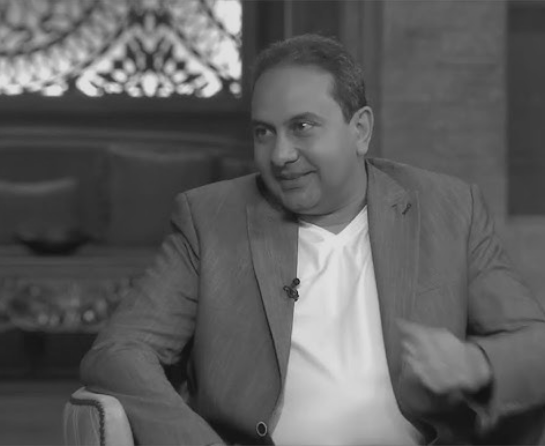
The Art of Watching Films
"What is the Art of Watching Movies?" Developing the skills to analyze films is important for both filmmakers and those interested in cinema alike. In addition to extensive viewing, we need to train ourselves to recognize the basic elements of filmmaking including script, cinematography, editing, costume and set design, and, of course, directing.
Abdullah Alokiby
Abdullah Alokiby
Riyadh
Saudi writer and critic Abdullah Alokiby holds a PhD in Literature and Criticism. He has authored several creative works, including plays, and he publishes film essays and analyses in Arabic newspapers and periodicals. He has presented in various Arabic literary festivals and was the media coordinator for the first and second editions of the literary forum Seen Festival, sponsored by the Saudi Arabian Society for Culture and Arts in Jeddah.
Abdullah Alzaid
Abdullah Alzaid
Buraydah Forum
Writer and sociology researcher Abdullah Alzaid was born in Al-Qassim, Saudi Arabia, and served as the director of the Al-Qassim branch of the Association of Culture and Arts for five years, chairing the region’s delegation to the Janadriyah Festival for Heritage and Culture. He is an award-winning writer in several fields: His screenplay Papers from the Crime Archive 2044 won a script award at the Saudi Film Festival; in theater, he won the best script award at the first Riyadh Monodrama Festival; and his short story “Uncle Baraka’s Train” was awarded at the national level. As an actor, he has performed in a number of films, TV shows, and plays. He writes on social history, sociology, and art and society for websites and academic journals and is interested in traditions and customs from a cultural perspective.
Abdulmohsen Aldhabaan
Abdulmohsen Aldhabaan
AlAhsa
Saudi director and screenwriter, member of a Saudi film production group (Talashi Group). He directed 5 short films, a TV series, and a feature film (Last Visit). He participated in the Karlovy Vary International Film Festival in the Czech Republic..
Abdul Mohsen Al-Mutairi
Abdul Mohsen Al-Mutairi
Hail
A Saudi film director and producer. He studied film in the United States and participated in directing and producing more than 14 Saudi films. His most notable works include “The Wife of Roses” (2017) and “ISIS Girl” (2016), which participated in international festivals. He also co-wrote the screenplay for the film “Out of the Road” at the Saudi Film Festival 2019. He began his career producing short films since 2008 with the Talashi Film Group, and wrote articles about cinema. His film “From the Memory of the North” won the Best Documentary Award at the Saudi Film Festival 2022.
Abdulrahman Alghannam
Abdulrahman Alghannam
Dhahran
Abdulrahman Alghannam is Assistant Professor of Cinema and Media Studies at King Faisal University; he is interested in integrating cultural innovation and entrepreneurship. He holds a PhD in Filmmaking Studies from the Institute of Global Cinema and Creative Cultures at the University of St. Andrews, UK. Alghannam has helped establish a number of film initiatives, presenting a variety of cultural programs and workshops, and is a member of a number of cinema and film national committees. Through his writing and community activities, Alghannam contributes to shaping and empowering the role of scientific research and education to develop the film sector in the Kingdom of Saudi Arabia and the wider Gulf region.
Aderinsola Ajao
Aderinsola Ajao
Riyadh
Aderinsola Ajao is an arts manager and founder/curator of Screen Out Loud, an independent cinema programme . Her writing has been published in English and in translation.
Adnan Al-Manaws
Adnan Al-Manaws
AlAhsa
A Saudi poet and critic, prepared and presented a four-part program on (poetic cinema), shown on the Saudi Film Festival channel in its eighth edition. He has film reviews and critical writings published in a number of magazines and electronic platforms. He recently wrote a film book about the experience of the filmmaker (Kim Ki-duk, the rejected director of violence).
Afnan Bawyan
Afnan Bawyan
Dhahran
Afnan Bawyan is a script writer and script supervisor. She began her career as an assistant producer, making four short cartoon series, before moving into live-action filmmaking. She has worked as a script supervisor on seven full-length Saudi films, produced by Ithra, Red Sea Film Festival, the Saudi Film Commission, and Netflix. Bawyan also worked as a third assistant director on the Hollywood movie Kandahar, which was filmed in the city of Al-Ula. The script of her first short film, “Saleeg,” received an honorable mention from the Saudi Film Festival and won the Light Award for film support, funded by the Film Commission. Recently, “Saleeg” was accepted at the Annecy International Animation Film Festival, in competition for the Best Perspective Short Film award, and at the ninth Saudi Film Festival, in competition for short film. The script for her first feature film, The Photographer of Madina, was accepted at the Red Sea Lab and won the lab award.
Ahaad Alamoudi
Ahaad Alamoudi
Tabuk
Born in Jeddah and educated in England and Saudi Arabia, Ahaad Alamoudi creates work that travels between two kingdoms, addressing history and representation, particularly of Saudi Arabia’s reforming ethnography, through photography, video, and print installations. She has had solo exhibitions at Jeddah’s annual 21,39 art fair and Athr Gallery, and she has exhibited in Jeddah, Sharjah, New York, Houston, and San Francisco.
Ahmed Al-Haqil
Ahmed Al-Haqil
Riyadh
Ahmed Al-Haqil is a Saudi writer and novelist who has published a number of novels, including “Circles,” “Lines,” “Roads and Cities,” “New Creation,” “Days and Books,” and a collection of short stories entitled “Home.”
Ahmed Al-Maanouni
Ahmed Al-Maanouni
Hail
Moroccan director and writer, his works shed light on issues that explore Moroccan history and the collective memory of Moroccans, and also highlight the role of cinema in consecrating national values and Moroccan identity. His film "Al Hal“ (the Condition) attracted international attention after it was restored and presented by Martin Scorsese at the 2007 Cannes Film Festival (Cannes Classics section)
Ahmed Gasmi
Ahmed Gasmi
Abha
Ahmed Gasmi is Senior Lecturer in the Faculty of Literature, Arts, and Human Sciences at the University of Manouba, Tunisia. His critical and research specialty is semiotics of literary and visual arts, and he has contributed to the books The Documentary Film: Issues and Problems and The Arabic Documentary Film (both with Arab Scientific Publishers). He is the author of the novel Zapping (2004), as well as a script writer and screenwriter, and has served on juries for film festivals and the Arab Cinema Center’s Critics Awards.
Ali Almajnooni
Ali Almajnooni
Abha
Buraydah Forum
علي المجنوني كاتب إبداعيّ وباحث ومترجم من المملكة العربية السعودية. شملت كتابات المجنوني الإبداعية كتبًا في القصة القصيرة والرواية وأدب الطفل. وفي النقد فهو يكتب المقالة النقديّة في الأدب والسينما والفنّ والثقافة المعاصرة. نُشرت مقالاته في صحف ومجلّات ورقية وإلكترونية. أمّا في الترجمة، فيترجم ما بين اللغتين العربية والإنجليزية، وصدرت له عدة ترجمات عربية لمجموعة من الروايات المكتوبة بالإنجليزية، أبرزها ترجمة رواية «زنج» (دار أثر 2014) ورواية «أنشودة المقهى الحزين» (دار مسكيلياني للنشر والتوزيع 2015) ورواية «راگتايم» (دار روايات 2017). كما تشمل اهتماماته البحثية النظرية النقديّة، والأدب المقارن، ودراسات الترجمة، والدراسات الثقافية، ودراسات الحداثة وما بعد الحداثة. إضافةً إلى ذلك، فالمجنوني مربّ، إذ يعمل محاضرًا في الأدب الإنجليزي والعربي والأدب المقارن ودراسات الترجمة، كما يُدرس اللغة العربية للناطقين بغيرها.
Ali Al-Serheed
Ali Al-Serheed
Riyadh
Project Manager at the Cinema Association and Programming Director at the Saudi Film Festival. He has produced cultural and cinematic programs, and his award winning short films have been screened at local and international festivals.
Alia Yunis
Alia Yunis
Riyadh
Film and heritage scholar, filmmaker, and writer Alia Yunis worked in Los Angeles for many years as a screenwriter. She is the author of the critically acclaimed novel The Night Counter (2010), and her feature documentary, The Golden Harvest (2019), won Best of the Fest at its US debut at the Minneapolis St. Paul International Film Festival. In 2010, she co-founded the Zayed University Middle East Film Festival (ZUMEFF), now the longest-running film festival in the Gulf.
Ali Hussein Al-Adawy
Ali Hussein Al-Adawy
Curator, researcher, and critic Ali Hussein Al-Adawy has curated film programs, seminars, and exhibitions, such as the film program Labor Images (ongoing since 2019) and, with Paul Cata, the exhibition The Art of Getting Lost in Cities: Barcelona & Alexandria (2017). He co-founded the online film criticism magazine Tripod (2015–17) and was part of the editorial team of TarAlbahr, a publication for urban art practices in Alexandria, Egypt (2015–18).
Ali Zaalah
Ali Zaalah
Riyadh
Cultural advisor, PhD in modern narratives and cultural studies, interested in cinema and arts, published a number of critical books, and a number of critical and creative books, some of which were translated into multiple languages..
Amal Ahmed
Amal Ahmed
Riyadh
Amal Ahmed is a New York City–based audiovisual archivist and writer with roots in Bahrain and Saudi Arabia. For her MA from NYU’s Moving Image Archiving and Preservation Program, she worked on contextualizing Pakistani films from the 1950s to the 1980s held at the George Eastman Museum, and she is currently researching the intertwined history of cinema culture and the South Asian diaspora in Bahrain.
Andrew Higson
Andrew Higson
Dhahran
Andrew Higson is the Greg Dyke Professor of Film and Television at the University of York, one of the UK’s top research-led universities. He was for several years the Head of the university’s Department of Theatre, Film, Television, and Interactive Media (2010-2017). He has published several books and numerous articles in academic journals about questions of national and transnational cinema, and about British and European cinema. He is currently researching and writing a book about national cinema and the United Arab Emirates. He led the international consortium that ran the HERA-funded research project Mediating Cultural Encounters Through European Screens (2013-17), and he was the founding director of the Screen Industries Growth Network, an academic-industry partnership established in 2020 and funded by Research England.
Asmaa Almodir
Asmaa Almodir
Riyadh
A Moroccan film director, screenwriter. She went on to study at LA FEMIS in Paris. Asmae has directed several award-winning short films. The Mother of All Lies is her first theatrical documentary feature.
Ayman Tamano
Ayman Tamano
Riyadh
Ayman Tamano is an international award-winning film director, writer, and cinematographer, best known for his independent film Madayen (2019). Tamano currently resides in Saudi Arabia, where he actively produces films of varying formats. He is also known in Jeddah for his involvement in and contributions to the music industry and his work with prominent regional artists.
Ayoung Kim
Ayoung Kim
Riyadh
In her multifaceted art practice, Ayoung Kim decisively integrates geopolitics, mythology, technology, and futuristic iconography, and she retroactively seeks speculative time to infiltrate the present. She establishes connections between biopolitics and border controls, the memories of stones and virtual memories, and ancestral origins and imminent futures. The resulting narratives can take the form of video, moving image, VR, game simulation, sonic fiction, diagrams, and texts.
Aziz Mohammed
Aziz Mohammed
Tabuk
Saudi novelist, scenarist, and critic Aziz Mohammed is the author of the novel The Critical Case of a Man Called K, which was shortlisted for the International Prize for Arabic Fiction (the “Arabic Booker”) and translated into English, French, and Chinese. As an author and critic, Mohammed has also published essays on literature and film criticism and written scripts and consulted on forthcoming films and TV series
Baraa Alem
Baraa Alem
AlAhsa
Saudi actor, writer and director, founder of the “Filmmer” channel. In his early days, he turned to YouTube “Filmmer” to provide film reviews. The number of his subscribers reached 546 thousand subscribers.
Bassam Al Thawadi
Bassam Al Thawadi
Dhahran
Born in Bahrain, Bassam Al Thawadi has been widely recognized for developing his country’s film industry. After graduating from the Higher Institute of Cinema in Cairo in 1983, he produced and directed Bahrain’s first three feature movies, The Barrier (1990), Visitor (2003), and A Bahraini Tale (2006), as well as numerous TV programs, documentaries, and miniseries. Later, he joined Bahrain’s Information Affairs Authority as Acting General Director of Radio and Television. He has been honored with a Lifetime Achievement Award from the Gulf Film Festival in Dubai, and he is a founding member of the GCC Cinema Society. He frequently serves on judging committees for regional and international film festivals.
Bidhan Rebeiro
Bidhan Rebeiro
Riyadh
Bidhan Rebeiro is a Bangladeshi film critic, writer, journalist, and teacher. As a FIPRESCI jury, he served at the Cannes Film Festival and Dhaka International Film Festival.
Bojidar Manov
Bojidar Manov
Riyadh
Film critic and journalist, Former dean of the Cinema Faculty, Sofia, Vice President of FIPRESCI ( 2001 2005 ), Member of European Film Academy, Author and Translator.
Brouin Habib
Brouin Habib
Hail
She is a poet and academic researcher in the cultural and literary fields. She is also a media expert for numerous specialized training courses at Dubai Media Incorporated, where she has contributed to the organization's distinction by launching pioneering cultural dialogue programs in the Gulf region.
Chadi Abo
Chadi Abo
Tabuk
Born in Damascus, Chadi Abo studied at École des Arts Décoratifs and runs the Paris-based HECAT Studio for visual effects. He has worked in VFX since 2001, including a decade in Arabic cinema and TV as effects designer, writer, and director. He co-produced the Emmy-winning Syrian-Danish doc The Cave and is committed to growing Arabic genre productions; his feature The Portal, a sci-fi take on the Syrian war, is in development.
Diaa Youssef
Diaa Youssef
AlAhsa
Buraydah Forum
Poet, writer, director and visual artist, winner of several awards, worked in writing and editing some newspapers and magazines, studied creative and professional scriptwriting at the University of Southern California, member of the board of directors of the Cinema Society, director of the Sidra Center for the Arts.
Diana Martirosyan
Diana Martirosyan
Riyadh
Film critic and cultural journalist, based in Yerevan, Armenia. Has graduated Russian Armenian niversity Journalism ” faculty and got a Bachelor s degree, then studied at Yerevan State Institute of Theatre and Cinematography, Film studies ” department.
Domoina Ratsara
Domoina Ratsara
Riyadh
Journalist and film critic based in Madagascar. She is a member of the Executive Secretariat of the African Critics Network in charge of the film sector.
Effat Abdullah Fadag
Effat Abdullah Fadag
Tabuk
A cross-disciplinary artist and Associate Professor of Fine Art at the University of Jeddah, Effat Abdullah Fadag is interested in the intersection of art, science, and technology. In 2010, she established Naqsh Art Studio, a platform for students, academics, and artists to explore contemporary art practices. She has also curated exhibitions in Saudi Arabia and serves as a reviewer at Common Ground Research Networks.
Elena Rubashevska
Elena Rubashevska
Riyadh
Film critic, festival programmer, and mentor. FIPRESCI vice president and editor in chief. Author of the book " Ukrainian poetic cinema
Emile Aouad
Emile Aouad
Abha
Buraydah Forum
Emile Aouad grew up among musicians: his Armenian mother, who is a pianist, and his Lebanese father, a composer and a professor of oriental music. He pursued his passion through audiovisual and cinematographic studies at Saint Joseph University (IESAV) in Beirut. In 2000, he became an instructor at the same university, where he currently teaches sound design, sound recording, technical listening, and Foley artistry. Today, he puts most of his creative talent into sound design and composing music for films. He has worked on the soundtracks of more than 200 documentary films, for independent production houses and TV broadcasters. His work in music composition and sound design extends also to feature films, commercials, TV television programs, and plays.
Erfan Rashid
Erfan Rashid
Dhahran
Erfan Rashid is a journalist, writer, and director, and a film critic for the TV channel Asharq News. He was born in Iraq and currently resides in Italy. He holds a BA in Dramatic Arts from Baghdad’s Academy of Fine Arts (1977). He has worked as a journalist for numerous Italian media institutions, including national broadcast network Rai, and as an Italian correspondent for many Arab media outlets, such as Al Hayat and Radio Monte Carlo. He currently presents a weekly program entitled Alsharq Cinema, broadcast from Dubai. Rashid authored the book Cinema of the Arab Countries, published in Italian, and has translated several Italian novels into Arabic, published by Al-Mutawassit in Milan, including Il Compagno, by Cesare Pavese, and Leonardo Sciascia’s Mafia trilogy.
Essam Zakareya
Essam Zakareya
AlAhsa
Film critic, researcher and lecturer in cinema, translator, director of the Cairo International Film Festival, former president of the Ismailia International Film Festival (2017-2024), member of the jury of many Arab and international festivals .Essam moved over 40 years between several prestigious institutions, between journalism, criticism, editorial management and holding presidential positions. During that time, he wrote and translated many cinematic books about Arab and international cinema and filmmakers
Feras Almadi
Feras Almadi
Riyadh
Feras Almadi is a Saudi film critic who has published numerous articles and reviews across various cultural platforms and magazines. He writes for Al Majalla, focusing on analyzing contemporary trends in global cinema, exploring them within their historical context, and delving into their stylistic themes. His work aims to understand and highlight the impact of visual and auditory media in crafting rich artistic experiences. Additionally, Almadi engages in dialogues with directors, artists, and critics, and conducts seminars and workshops that explore the relationship between art and popular culture, the concept of poetic cinema, and other related topics in collaboration with independent cinemas and cultural institutions.
Habib Nasry
Habib Nasry
Buraydah Forum
Dr. Habib Nasry is a specialized researcher and professor in criticism, with a wealth of studies, research papers, and film critical literature. He has authored and directed a remarkable collection of documentary films. Nasry holds esteemed status as a member of several judging committees at both Moroccan and international film festivals. In addition, he has conducted numerous workshops on film analysis and documentary writing. In recognition of his exceptional contributions, he was awarded the prestigious first national prize in the field of education and training in 2010. Furthermore, Nasry’s visionary leadership led to the establishment of the renowned International Documentary Film Festival in the city of Khouribga. His impressive body of work also encompasses the publication of numerous articles and highly regarded peer-reviewed scientific studies, both within the borders of Morocco and internationally, particularly in the realm of visual arts. Moreover, he has overseen and examined the dissertations of talented individuals at various Moroccan colleges. Nasry has also spearheaded multiple scientific research teams within the field of visual arts. Presently, his expertise is in demand as he imparts knowledge on subjects of documentary film, screenplay writing, and the analysis of artistic discourses at multiple universities in Morocco. As an esteemed professional, he proudly serves as a member of both the Moroccan Chamber of Documentary Filmmakers and the Screenwriters Association. It is noteworthy that Nasry’s significant contributions to the cultural fabric have been acknowledged by his selection as one of the prominent and influential cultural figures in Morocco for two consecutive years.
Hammadi Gueroum
Hammadi Gueroum
Abha
Hammadi Gueroum is Professor of Cinematography at Hassan II University, Casablanca. He holds a Ph.D. in literature and cinema and a postgraduate diploma in narrative discourse analysis. He founded the Rabat International Auteur Film Festival (FICAR — Festival International du Cinema D’Auteur de Rabat) and continues as its artistic director. He is also director and president of the International Independent Film Festival in Casablanca, and he has founded several cultural and research organizations in Morocco, including the Moroccan Association of Film Critics and the Moroccan Association for Academic Research in Cinema. He serves on the committees of several national and international festivals, and he has supervised a number of workshops and screenwriting ateliers. His publications include Adaptation: From Novel Narrative to Cinematic Narrative (2005).
Hana Alomair
Hana Alomair
Dhahran
Hana Alomair is the writer-director of “The Complaint,” awarded Best Short Film at the 2015 Saudi Film Festival. She is the co-writer and director of the first Saudi Netflix original miniseries, Whispers (2020), and the writer of Sharshaf, which won the Red Sea Lodge production grant of $500,000. Her current film project, Dancing on Fire, was selected as one of six Saudi projects in the Red Sea Lodge and won a prize of $70,000 from Shahid at the Red Sea Film Festival Market. She works as a content advisor for MBC and is the chair of the Saudi Cinema Association.
Harshini J. Karunaratne
Harshini J. Karunaratne
Riyadh
Harshini J. Karunaratne is a Sri Lankan–Peruvian digital artist working at the intersections of film, theater, and technology. Her work has been shown at the FILE Festival in Sao Paulo, Burning Man in Black Rock City, Nevada, and Art Dubai. Based in Berlin, Karunaratne lectures at local universities on media theory and performance studies. She is also the organizer and lead curator for MANIFEST:IO, a symposium for new media and electronic art that launched in Berlin in February 2023.
Haya Alghanim
Haya Alghanim
Riyadh
Haya Alghanim is an artist and filmmaker based between New York City and Kuwait City. Her work engages the subjects of digital activism, collective intelligence and action, and the politics of art, and it has been exhibited at various international venues, including the Sharjah Art Foundation, Misk Art Institute, the Arab American National Museum, and Lothringer 13 Halle. Her feature film in development is supported by the Red Sea Film Festival Foundation, TorinoFilmLab, and the Royal Film Commission - Jordan.
Haya Al-Hossain
Haya Al-Hossain
Scholar, painter, poet, filmmaker, and holder of a doctorate in Film Studies, Haya Al-Hossain has lived in Mauritania, Qatar, Saudi Arabia, the US, France, and Germany and has traveled throughout most of Europe and the Middle East. She has been exhibiting her artwork since 1998 and has worked in film since 1999.
Heba Othman
Heba Othman
Hail
An editor who graduated from the Higher Institute of Cinema, she worked on many films with important directors and edited 4 feature films. Her first film was “Out of Day” directed by Hala Lotfy in 2012. “Out of Service” directed by Mahmoud Kamel in 2015, and she won the Best Editing Award from the Film Association for the same year. “You Will Die at Twenty” directed by Amjad Abu Al-Ala, a joint Sudanese-Egyptian film produced in 2019. One of her most important films was “Curfew” in 2020, directed by Amir Ramses, and she won the Best Editing Award from the Film Association.
Hideaki Fujiki
Hideaki Fujiki
Riyadh
Hideaki Fujiki is Professor of Cinema Studies at Nagoya University, Japan, and Director of the Center for Transregional Culture and Society at the university’s Graduate School of Humanities. His publications include Making Audiences: A Social History of Japanese Cinema and Media (2022), Making Personas: Transnational Film Stardom in Modern Japan (2013), and The Japanese Cinema Book (co-edited with Alastair Phillips, 2020). He is currently completing two monographs on media and ecology.
Hisham Nazih
Hisham Nazih
Hail
One of the most brilliant and prolific composers of soundtracks in Arab cinema. His music has been associated with popular works by a number of directors, most notably: Radwan Al-Kashef, Sandra Nashat, Marwan Hamed, and Tarek Al-Aryan. Due to the abundance of his musical works and the use of musical pieces for every scene in the film, his presence will be an added value in this symposium to talk about his relationship with criticism and the critics’ discussion of his enhanced role in the artistic work.
Ibrahim Al Aris
Ibrahim Al Aris
Riyadh
Buraydah Forum
Born in Beirut, worked in cinema before studying directing in Rome and criticism and screenwriting in London, and turned to writing about cinema and the history of culture. He published two magazines before working in journalism, especially in Al Hayat ” for sixty books as an author and seventy as a translator from French and English on various issues
Ieva Šukytė
Ieva Šukytė
Riyadh
Ieva Šukytė has been a member of FIPRESCI since 2020 . She served in Venice, Berlin and other festivals as FIPRESCI JUROR. She also works for Vilnius Short Film Festival as senior programmer.
Jay Weissberg
Jay Weissberg
Riyadh
Since 2016 , film historian and critic Jay Weissberg has been the director of the Giornate del Cinema Muto/ Pordenone Silent Film Festival, the world s largest and oldest festival of archival silent film.
Jihan El-Tahri
Jihan El-Tahri
Award-winning director, writer, visual artist, and producer Jihan El-Tahri has been a member of the Academy of Motion Picture Arts and Sciences and has directed more than fifteen films. Her visual art has traveled to museums and biennials around the world, and her published books include Les sept vies de Yasser Arafat and The Fifty Years War: Israel and the Arabs. She is a mentor in various film labs and serves in African film organizations such as FEPACI and the Guild of Filmmakers in the Diaspora.
Joseph Kickasola
Joseph Kickasola
Jeddah
Dr. Joseph G. Kickasola is Professor of Film and Digital Media at Baylor University. He is the author of numerous essays in a variety of film studies journals and anthologies, the editor of a special issue of Religions on “Film and Lived Theology,” and the author of the monograph The Films of Krzysztof Kieślowski: The Liminal Image, which won the 2006 Spiritus Award for the “best writing at the intersection of religion and film.” He specializes in the films of Kieślowski, phenomenological film theory, and religion and film, and currently serves as Secretary/Treasurer of the Society for Cognitive Studies of the Moving Image. He lives in New York City, where he runs the Baylor in New York program.
Kamal Ramzy
Kamal Ramzy
Riyadh
One of the most prominent Arab critics in the field of cinema, he began his professional career in 1968. He has several publications, including: “Art between the Turban and the State”, “Mahmoud Morsi, the Bird of Heaven and Hell”, “Egyptian Cinema Stars, Essence and Masks”, and “Kamal El Sheikh, Half a Century of Creativity”. In addition to articles, studies and research in Egyptian and Arab magazines and newspapers, in which he presented the essence of his experience with the seventh art. He also participated in arbitration committees and local and Arab festivals.
Kay Dickinson
Kay Dickinson
Dhahran
Kay Dickinson is Professor of Film and Television Studies, as well as the convenor for MA Creative Arts and Industries, at the University of Glasgow, UK. She is the author of Arab Cinema Travels: Transnational Syria, Palestine, Dubai and Beyond (2016) and Arab Film and Video Manifestos: Forty-Five Years of the Moving Image Amid Revolution (2018). She has published on various aspects of Arab popular and experimental culture in peer-reviewed journals and award-winning anthologies and is currently completing a monograph entitled Supply Chain Cinema: The Transnational Production of Big-Budget Film Workers (2023).
Khairy Beshara
Khairy Beshara
Riyadh
Khairy Beshara (b. June 30, 1947) is a prominent Egyptian filmmaker, one of only a handful of directors credited for redefining Realism in Egyptian cinema. Beshara graduated top of his class from the High Cinema Institute in 1967, upon which he earned a two-year scholarship to Poland to complete a staż (internship).
Kōbun Shizuno
Kōbun Shizuno
Dhahran
Kōbun Shizuno is best known for directing the animated films Case Closed: The Crimson Love Letter (2017) and, with Hiroyuki Seshita, GODZILLA: Planet of the Monsters (2017). He first directed one of the Case Closed films in 2004 and was selected as general director of the animated series G.I. Joe: Sigma 6 in 2005. After that, he returned to Case Closed, directing the series from 2011 to 2017. He also directed the animated TV series Knights of Sidonia (2014) and co-directed the whole animated trilogy GODZILLA, released in 2017 and 2018.
Kong Rithdee
Kong Rithdee
Riyadh
Kong Rithdee is Deputy Director of Thai Film Archive, a preservation agency and cinematheque in Bangkok, and he helps organize the long-running Thailand Short Film and Video Festival. He has been writing about film and visual art since 1996, mainly for the Bangkok Post, and has made several documentaries on the subject of Muslims in Thailand, including The Convert (2008), Baby Arabia (2010), and Gaddafi (2014), which have screened at festivals such as Vancouver, Busan, Hawaii, and IDFA in Amsterdam.
Maha Sultan
Maha Sultan
Jeddah
Maha Sultan is a cultural writer and editor passionate about cinema and film criticism. She is also the founder of the Meem Platform for Cinema and Arts. Maha has participated in several local programs, where she honed her creative skills, including planning creative projects, researching Arab and international film studies, and writing about movies. In pursuit of innovation and achievement, Maha joined the world of entrepreneurship at an early age and embarked on a journey of various interests, such as cinema, audiovisual and visual production, art, and entrepreneurship, to achieve her creative mission and future vision.
Mahmoud Mahdi
Mahmoud Mahdi
AlAhsa
صانع محتوى رقمي، ناقد سينمائي مصري.مؤسس قناة "فيلم جامد" المخصصة لمراجعة الأفلام العربية والعالمية ونقدها، وصل عدد مشتركي القناة إلى 797 ألف مشترك.
Marcelo Janot
Marcelo Janot
Riyadh
Film critic for O Globo newspaper and editor in chief of Criticos.com.br. Served as president of the FIPRESCI jury at Cannes in 2024 and recently directed a documentary TV series about film composers
Mariam El Ajraoui
Mariam El Ajraoui
Riyadh
Mariam El Ajraoui is a cinema researcher affiliated with Université Paris 1 Panthéon-Sorbonne, specializing in Arab-world cinemas. She has published and presented scholarly work on Moroccan filmmakers Faouzi Bensaïdi (in Les arts dans la sphère publique, 2016) and Hakim Belabbès (Filmer le quotidien, 2017), and Moroccan cinema more generally (A*Desk, 2022). El Ajraoui is also a director, actress, and educator.
Marina Kostova
Marina Kostova
Riyadh
Marina Kostova is an award winning journalist, among leading film critics and reporters in North Macedonia, a Deputy of Editor in Chief of sdk. mk digital newsroom and president of the Macedonian Section of FIPRESCI.
Marlena
Marlena
Riyadh
Film critic and journalist with over 20 years of professional experience. Currently writes for Politika , Synuropa and others. Member of the International Federation of Film Critics and the European Film Academy. In addition, she consults on scripts and works as head of the industry department at the Polish Film Festival.
Mashael Abdullah
Mashael Abdullah
Riyadh
A committed film critic with a profound passion for cinema, focusing on independent, Arabic ، European ، and feminist films. My work, featured in various publications, fosters meaningful discussion on storytelling cultural & societal impact.
Matthew Tan
Matthew Tan
Riyadh
Matthew Tan is an independent filmmaker and scholar whose research has explored Malaysian, postcolonial, eco- and amateur cinema. He holds an MSt in Film Aesthetics from the University of Oxford.
Maya Al-Hajj
Maya Al-Hajj
AlAhsa
Writer and critic. She worked at Al-Hayat newspaper and headed the cultural section at An-Nahar newspaper. She presented critical segments on An-Nahar website and Daraj website. She currently presents a critical video program on Al-Araby2 platforms.
May Adadol Ingawanij
May Adadol Ingawanij
Riyadh
May Adadol Ingawanij | เม อาดาดล อิงคะวณิช is a writer, curator, and teacher. She works on Southeast Asian contemporary art, de-westernised and decentered histories and genealogies of cinematic arts, avant-garde legacies in Southeast Asia, forms of future-making in contemporary Global South artistic and curatorial practices, and the aesthetics and circulation of artists’ films belonging to or connected with Southeast Asia. She is Professor of Cinematic Arts at the University of Westminster, London, where she co-directs the Centre for Research and Education in Arts and Media.
Mikey Muhanna
Mikey Muhanna
Riyadh
Educator, podcast host, and the founder of afikra the global movement reframing Arab , world narratives through podcasts, academy courses, and community events across 30 chapters worldwide.
Mohamed Abdel Jalil
Mohamed Abdel Jalil
AlAhsa
Journalist and art critic, senior producer at Al Sharq News Channel. He has over 20 years of experience, presents a critical segment on Al Sharq Bloomberg Channel, worked in a number of Arab newspapers, platforms and news websites, in addition to art programs and documentaries on a number of channels, including: Egyptian TV, Dream, Rotana, Tahrir, and Al Ghad. He participated in covering a number of international art festivals and events, such as: Cannes, Venice, Malmö, the Red Sea, and Abu Dhabi.
Mohamed Abousoliman
Mohamed Abousoliman
Riyadh
Filmmaker and creator of the CINEMATOLOGY Youtube Channel and Podcast.
Mohamed Sobaih
Mohamed Sobaih
Dhahran
Dr. Mohamed Sobaih is Assistant Professor at Effat University in Jeddah. He has 20 years of experience directing 2D and 3D animation and has worked on projects and taught in South Africa, Egypt, France, Guyana, and more, particularly in his former position as a business developer and trainer for Toon Boom Animation. In 2021 he was nominated for the Parallel Shows program within the Saudi Cinema program at the Saudi Film Festival, and he won the top prize at the 48 Hour Film Project festival in Durban in 2015. His animation work has also been shown in festivals in Brazil, the UK, Italy, and Nigeria.
Mohammed Al Bashir
Mohammed Al Bashir
Riyadh
Hail
Supervisor of the Cinema Committee, Al Ahsa Culture and Arts Association, founding member of the Film Association, PhD in Criticism from King Faisal University, and has a number of critical research and studies published in local and Gulf magazines and electronic platforms
Mohammed Al Salman
Mohammed Al Salman
Riyadh
Writer, Director and Producer. He has written, directed and produced 4 short films. His first short film “In Between” was selected as the opening film of the 2016 Saudi Film Festival, and two of his short films are showing on Netflix. His first feature film “The Raven’s Song” was written, directed and produced by him in partnership with Telfaz 11.
Mohammed Ghazala
Mohammed Ghazala
Hail
A professor of animation and the head of the School of Cinematic Arts at Effat University in Jeddah, which is the first academy of its kind in Saudi Arabia dedicated to film and animation studies. Additionally, he serves as the vice president of the International Animated Film Association (ASIFA) and is the founder of its regional branch in Africa and the Arab world.
Mohammed Hammad
Mohammed Hammad
Riyadh
Over fifteen years in film and TV production, Jeddah-based Mohammed Hammad has worked for MTV Arabia, MBC, and DMI; most recently he was creative director for Saudi’s electronic music festival MDLBEAST. Hammad creates immersive art films that navigate his upbringing in London and Paris while maintaining his cultural roots. His latest work, a musical comedy horror mash-up, Yallah, Yallah Beenah!, was selected for 21,39 Jeddah Arts and showcased at the Red Sea International Film Festival.
Mohammed Tarek
Mohammed Tarek
Riyadh
Egyptian film critic and programmer who works as a programmer for Cinema Akil and shorts programmer for Dublin International Film Festival, in addition to working as a consultant to the Cairo international film festival’s president.
Musab Alamri
Musab Alamri
Riyadh
Musab Alamri is a consultant and assistant professor of film. He has led high-profile cultural projects in both government and private sectors. Alamri holds an MFA from NYFA and a PhD from the University of Nottingham. He has published three peer-reviewed research articles and authored two books, including Film Directing in 2024.
Naminata Diabate
Naminata Diabate
Jeddah
Naminata Diabate, Associate Professor of Comparative Literature at Cornell University, is a scholar of gender, sexuality, and race. Her most recent work on literary fiction, cinema, visual arts, and digital media has appeared in a monograph, peer-reviewed journals, collections of essays, and public platforms, including podcasts, newspapers, and news outlets. Her book, Naked Agency: Genital Cursing and Biopolitics in Africa, was published by Duke University Press in 2020 and awarded the African Studies Association 2021 Best Book Award and the African Literature Association 2022 First Book Prize. This year, she holds the Ali Mazrui Senior Research Fellowship at the Africa Institute of Sharjah in the United Arab Emirates, where she is working on two monographs, “Pleasure and Displeasure in Global Africa” and “Digital Insurgencies and Bodily Domains.”
Nehal El-Hadi
Nehal El-Hadi
Tabuk
Dr. Nehal El-Hadi is a Toronto-based researcher who writes about environmental issues and the social impacts of technology for such publications as Guernica and The New Inquiry. She is Science & Technology Editor at The Conversation Canada and Editor in Chief of Studio magazine. She is currently in residency at Toronto’s Theatre Centre, developing a live arts event that examines privacy, consent, and surveillance in public spaces.
Ola Salwa
Ola Salwa
Riyadh
Polish film critic, journalist with over 20 years of professional experience. She currently writes for Polityka , Cineuropa among others. She is a member of Fipresci and European Film Academy. Additionally, she consults scripts and holds a position of head of industry at Polish Film Festival. Ola is learning Arabic and wants to focus on Arab cinema
Özgür Yaren
Özgür Yaren
Riyadh
Özgür Yaren is a film scholar and lecturer, currently at Chulalongkorn University, Bangkok. His research interests encompass film theory, film history, aesthetics, and cultural studies, with publication in Camera Obscura, the Journal of Popular Culture, and European Journal of Cultural Studies, among others. His latest research focuses on Islamic-conservative art taste and the aesthetic criteria of conservative elites, and how it has transformed art in Turkey. Yaren is a board member of the Turkish SANART Association of Aesthetics and Visual Culture.
Paola Casella
Paola Casella
Riyadh
Film Critic for MYmovies . She is Vice President and Italian National Delegate of FIPRESCI and a member of the selection committee of the European Discovery Awards
Paul Schrader
Paul Schrader
Jeddah
Screenwriter and director Paul Schrader was born on July 22,1946, in Grand Rapids, Michigan. He earned his BA from Calvin College, then his MA from UCLA, while working as a film critic and writing Transcendental Style in Film. He attended the inaugural class at the American Film Institute (AFI). He has written or directed over thirty films, including four collaborations with Martin Scorsese. The first, Taxi Driver, won the Palme d'Or at Cannes Film Festival. In 1978, he directed his first film, Blue Collar. Schrader’s catalog of film includes American Gigolo, Cat People, Mishima, and Affliction. In 2019, Schrader was nominated for an Academy Award for Best Original Screenplay for First Reformed, which he also directed.
Peter Limbrick
Peter Limbrick
Professor and Chair of Film and Digital Media at the University of California, Santa Cruz, Peter Limbrick is the author of Arab Modernism as World Cinema: The Films of Moumen Smihi (2020); he also curated a retrospective of the Moroccan filmmaker, with screenings in Berkeley, Chicago, and London. With Omnia El-Shakry, he programmed the parallel symposium Unfixed Itineraries: Film and Visual Culture from Arab Worlds at UC Santa Cruz, and in 2022 he was Camus/AMIDEX chair at l’IMéRA, Aix-Marseille University.
Qasim Qias
Qasim Qias
Hail
A member of the editorial board of Arab Cinema magazine, the annual Arab Cinema Critics Awards Committee, and the Swedish Film Critics Association. He also works as a consultant for the Arab Film Festival in Rotterdam. Qais Qasim publishes articles on cinema and criticism in Arab newspapers and writes regularly about Arab and international film festivals in Al-Usbu’iya magazine. Qais Qasim is an important reference in the field of film criticism and has had distinguished coverage of the Arab film industry for decades.
Rabih El-Khoury
Rabih El-Khoury
Dhahran
Rabih El-Khoury holds a BA in Journalism from the Lebanese American University in Beirut and an MA in Creative and Cultural Entrepreneurship from Goldsmiths, University of London. He has been working with the Metropolis Association, which manages Metropolis Art Cinema, the only art house cinema in Lebanon, since its inception in 2006. From 2006 to 2015, he also worked as general coordinator for Beirut Cinema Days, and he has organized over 20 other Arab film weeks in the Arab world and Europe. El-Khoury served as Programme Manager of Talents Beirut and curated the Film Prize of the Robert Bosch Stiftung from 2017 until 2021. Alongside his position as Diversity Manager at DFF – Deutsches Filmmuseum & Filminstitut in Frankfurt, he is a programmer at Alfilm, the Arab Film Festival of Berlin. He curates the SAFAR Film Festival of the Arab British Center in the UK and collaborates with Afrikamera in Berlin.
Rania Gaafar
Rania Gaafar
Buraydah Forum
Rania Gaafar, PhD, is a lecturer in global art and media studies at University of the Arts Bremen, Germany. She has previously held positions at the American University of Beirut, and, in Germany, the University of Siegen and ZKM, the Center for Art and Media in Karlsruhe. She has published on postcolonial media theory, contemporary media, and film art. She is the author of Phänomenotechniken des Films (Phenomenological Techniques in Film, forthcoming).
Rania Stephan
Rania Stephan
Buraydah Forum
Born in Beirut, Rania Stephan is an artist, filmmaker, and editor working with still and moving images. She has directed art videos and creative documentaries with a personal and poetic perspective on political events. Her most recent work delves into archival material to investigate forgotten images and sounds that haunt the present. By juxtaposing old images with new, she triggers renewed narratives and emotions.
Ridley Scott
Ridley Scott
Tabuk
Globally recognized director and producer Ridley Scott is best known for films such as Thelma & Louise, Alien, Black Hawk Down, and Blade Runner. His film epic Gladiator won the Academy Award, Golden Globe, and BAFTA Award for Best Picture. He is currently in post-production on Napoleon, starring Joaquin Phoenix, Ludivine Sagnier, and Vanessa Kirby.
Rihab Boukhayatia
Rihab Boukhayatia
Riyadh
Specializing in law, journalist at Nawaat Foundation since 2019 , covering social and cultural issues, specializing in rights and freedoms.
Rita Duotta
Rita Duotta
Riyadh
Professor, Film Critic and Editor. A member of International Film Critics’ Association, Fipresci, she is currently editing a book on Indian Regional Cinema. Editor of the International Film Journal “FilmBuff”
Ruba Al-Sweel
Ruba Al-Sweel
Jeddah
Ruba Al-Sweel is a multidisciplinary creative with a practice rooted in writing and research focused on online movements and digital communications. She often produces text-based works that reference pop and mass culture. Layering written and visual symbols, she parodies mass media by exaggerating certain aspects of contemporary society. She has published on visual anthropology with a focus on the Middle East; her writing has appeared in the Brooklyn Rail, Art Asia Pacific, and VICE, among others. She holds a master’s degree in media and creative industries from Sciences Po, Paris, and currently manages global communications at Art Jameel.
Said El Mazouari
Said El Mazouari
Riyadh
Moroccan writer, educator in the visual image, and film critic for the daily Al Araby Al Jadeed since 2018 , Said ElMazouari graduated from the Ecole Nationale de Commerce et de Gestion in Settat in 2005
Samhita Sunya
Samhita Sunya
Samhita Sunya is Associate Professor of Middle Eastern & South Asian Languages & Cultures at the University of Virginia. She is the author of Sirens of Modernity: World Cinema Via Bombay (2022), about the global circulation of Hindi films and songs in the 1960s, and guest co-editor of a “South by South/West Asia” special issue of Film History (2020). She is the reviews editor for the journal BioScope: South Asian Screen Studies and guest programmer for the Virginia Film Festival.
Samirah Alkassim
Samirah Alkassim
Abha
Samirah Alkassim is an experimental documentary filmmaker and Assistant Professor of Film Theory at George Mason University in Fairfax, Virginia. She is currently editing a documentary about Jordanian artist Hani Hourani and doing research for a book, A Journey of Screens in 21st Century Arab Film and Media (Bloomsbury, forthcoming 2025). She is co-editor of the series Palgrave Studies in Arab Cinema.
Sara Balghonaim
Sara Balghonaim
Riyadh
Sara Balghonaim is a Saudi filmmaker with a MFA in Film and TV production from New York University. Sara’s directorial debut “Me & Aydarous” was in Official Selection at Aspen Shortsfest, Palm Springs International Shortfest, The Hamptons Int’l Film Festival, NewFilmmakers LA, and the Red Sea Int’l Film Festival in 2023. It also won the Jury award at the Saudi Film Festival and the Wasserman Award.
Sara Mesfer
Sara Mesfer
Riyadh
A Saudi writer and director with a degree in Cinematic Art. Known for her award winning film The Girls Who Burned the Night, Night,” she was named one of Screen International' s Arab Stars of Tomorrow.
Sérgio Dias Branco
Sérgio Dias Branco
Jeddah
Sérgio Dias Branco is Assistant Professor of Film Studies at the University of Coimbra, Portugal, where he directs the master’s program in Art Studies and coordinates the Laboratory for Investigating and Practicing Art (LIPA). He is a researcher at the Centre for Interdisciplinary Studies (CEIS20) at the University of Coimbra and collaborates with the Research Centre for Theology and Religious Studies at the Catholic University of Portugal and Nova Institute of Philosophy. He has taught at Nova University of Lisbon and the University of Kent, where he was awarded an MA and a PhD in Film Studies. He was President of the Association of Moving Image Researchers between 2018 and 2020 and a member of its Direction Board between 2014 and 2020. He is the research coordinator of FID: Film and Interreligious Dialogue and a member of COREnet: Connecting Theory and Practical Issues of Migration and Religious Diversity.
Shubhra Gupta
Shubhra Gupta
A columnist for The Indian Express for more than 20 years, Shubhra Gupta is one of India’s best-known film critics and the recipient of the prestigious Ramnath Goenka award in 2012. She curates and conducts the hugely popular platform The Indian Express Film Club, in Delhi and Mumbai, teaches courses on “Understanding Cinema,” and serves on festival juries. She is the author of 50 Films That Changed Bollywood 1995–2015 (2016) and Irrfan: A Life in Movies (2023).
Siobhan Synnot
Siobhan Synnot
Siobhan Synnot is an award-winning freelance film critic, writer and broadcaster. Brought up in Scotland, she has worked in the UK across a changing landscape of TV, radio, and digital film content. As well as reviewing, she specializes in interviews (her first was with Shirley MacLaine), features, and profiles. She has also served on national and international film juries, and is currently writing a book on Scottish cinema with stories behind some of Scotland’s best-loved films.
Sona Karapoghosyan
Sona Karapoghosyan
Riyadh
Film critic and curator based in Yerevan, Armenia. In 2017, she joined Golden Apricot International Film Festival as a program curator, and co-founded GAIFF Pro, the industry platform of the festival. qIn recent years she managed and curated multiple film screenings and film-related projects in Armenia. Member of the International Federation of Film Critics (FIPRESCI).
Sreya Mitra
Sreya Mitra
Dhahran
Sreya Mitra is Associate Professor at the Department of Mass Communication, American University of Sharjah, UAE. Her research focuses on popular Indian cinema, television and new media discourses in South Asia, stardom and celebrity culture, fandom studies, gender, globalization, and culture industries. She has presented her research at various international conferences, and her work has been published in the edited collections Reorienting Global Communication (2010), Transnational Stardom (2013), and Nation, Nationalism and the Public Sphere (2020), and in the peer-reviewed journals South Asian History and Culture (2012), Celebrity Studies (2018, 2020, 2021), South Asian Popular Culture (2020), Transformative Works and Cultures (2020), and Middle East Journal of Culture and Communication (2021).
Suad Bishnak
Suad Bishnak
AlAhsa
Composer, holds a Bachelor of Music Composition from one of Canada's music schools, McGill University, and is a graduate of the prestigious Canadian Film Centre. Her filmography includes more than 40 works, where she composed the soundtracks for feature and short films. Her works were nominated for international awards, and she won the silver medal at the World Music Awards for her piece "The Road to Jenin".
Syed Ali Haider
Syed Ali Haider
Jeddah
Riyadh
Syed Haider is Lecturer in World Cinemas at the University of East Anglia. His research focuses specifically on the role and representation of Muslims and Islam in Hindi cinema, with his most recent publication in an edited volume titled Muslims in the Movies (2021), which explores the use of Sufism and Sufi aesthetics in Bollywood. He is currently working on a monograph looking at Muslim modernities on the Hindi screen.
Tariq Khawaji
Tariq Khawaji
Riyadh
Tariq Khawaji is the chief librarian at Ithra, as well as the general supervisor and advisor for Ithra’s cultural programs. Khawaji is also a film critic and author of the books Anime Castle and The Player at the Gates of Dawn. For newspapers such as Asharq Al-Awsat, Al-Watan, and Al-Riyadh, he has covered cinema, music, novels, and art. He has also served as a judge for writing and film competitions and participated in many literary and artistic festivals in the Arab world.
Taryn Joffe
Taryn Joffe
Riyadh
Taryn Joffe is the Festival Manager of the Joburg Film Festival and Co Chair of the Documentary Filmmakers ’ Association of South Africa. She was formerly a Festival Programmer and the Industry Coordinator at Encounters South African International Documentary Festival. Taryn' s expertise includes curation, writing and distribution.
Vk Joseph
Vk Joseph
Riyadh
Film critic, poet, novelist, film activist, President of the Critics Association, Member of the Indian Chapter of the Council for Masters in Film Studies at Malayalam University, Kerala.
Wael Abu Mansour
Wael Abu Mansour
Riyadh
The Saudi director and writer was born in 1980 in Riyadh. He studied in America and began his career working in journalistic writing, then devoted himself to cinematic work, starting with directing and writing short films and documentaries.
Walaa Sindi
Walaa Sindi
Dhahran
Walaa Sindi, a 3D character animator, received an MFA in Animation and Visual Effects from the Academy of Art University in San Francisco in 2015. She has collaborated with Pixar, BlueSky, and others, and now consults on development for similar academic programs at other Saudi universities. In 2022, she earned a spot in the highly competitive MBC Academy for 3D Animation at the prestigious Gobelins School, Paris. Walaa seeks to raise community awareness and promote building the Saudi identity of the animation industry by providing workshops, courses, and talks in the fields of design and animation for many entities, such as the Misk Foundation, the Misk Art Institute, the Saudi Design Festival, Riyadh Art, and Effat University.
Youssef Rakha
Youssef Rakha
Buraydah Forum
Youssef Rakha is an Egyptian novelist, poet, and critic. He writes about Egypt, Arab culture, and Islam in both Arabic and English. He is the author of the novel The Crocodiles (2014) and Barra and Zaman: Reading Egyptian Modernity in Shadi Abdel Salam’s The Mummy (2020), among many other books. Born and raised in Cairo, he graduated from Hull University, England, in 1998. He has worked as a cultural journalist, literary translator, and creative writing coach since then. His first novel in English, The Dissenters, is forthcoming with Graywolf Press in 2025, and his collection of short stories, Emissaries, was released this year. He lives with his family in Cairo.
Zahra Al Faraj
Zahra Al Faraj
AlAhsa
Content writer at King Abdulaziz Center for Culture (Ithra), preparer and presenter of cultural programs and events, writer of artistic and cultural articles, participated in presenting TEDx, contributed to presenting seminars at the Saudi Film Festival
Writing Short Films
“The Short Film Script Writing Workshop” is designed for filmmakers, artists, novelists and aspiring writers who want to turn their ideas into short films. Through examples, we will look at the broad range of short films and analyze the storytelling techniques. We will learn the basics of screenwriting, such as structure and character development. We will review and analyze ways to use narrative tools to write a screenplay and develop ideas through brainstorming sessions and receive constructive criticism.
From video essays to podcasts and back again.
From video essays to podcasts and back again. Mohamed Soliman takes us through the evolution of audiovisual film criticism. Finding your voice and hone your craft in appreciation of what we all love most: the movies!
Sound Reviews: Podcast
The evolution of audiovisual film criticism is presented by Mohamed Suleiman from "Cinematology." Finding your voice and honing your craft in appreciating what we all love most: films!
Child and Family Program
Film scene script writing

The workshop is based on transforming a specific image or shot into a carefully written scene. The workshop begins by showing the participants an image, which should contain situations or characters that can be used dramatically.
• Stimulating imagination and creativity.
• Developing writing and expression skills.
• Developing the ability to observe and detail.
Sound from Nature
An interactive workshop for children on making sounds using materials found in nature. It is a fun and educational activity that encourages children to explore the world of sound in an innovative way.
• Enhancing imagination and auditory taste in children and adolescents.
• Developing cooperation and teamwork skills.
• Exploring sound and art.
• Developing motor skills.

How to watch movies

It is an interactive workshop based on showing a short film suitable for children's ages, the film contains artistic messages. After the screening, the children are directed to an open discussion led by the trainer.
• Raising the expressive ability and artistic taste of cinema among young men and women.
• Enhancing critical thinking.
• Enhancing visual and artistic understanding.
Film Screening
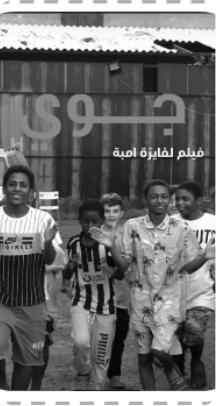

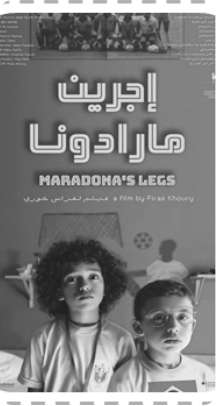
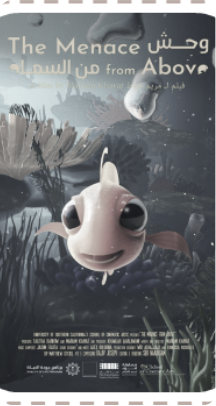

Closing Ceremony Visual Show
A visual musical artistic presentation inspired by the music of the film "Escape," serving as a thread that connects scenes from international and Arab films depicting the desert. This thread harmonizes with the overall theme of the conference.
The journey begins in the depths of the Arabian desert, carrying its authentic meaning in the melodies of the bedouin chant that resonates alongside scenes from various deserts around the world, including the Kingdom. This is complemented by sounds from the same environment, such as the wind, the footsteps of camels, and more.
Accompanying this visual journey is a gradual auditory track, where the music from "Escape" intertwines with the sounds of nature in the desert and the voices of characters, together forming a unique symphony that reflects the spirit and diversity of the desert. The show also presents consecutive scenes from the films "The Lost Legend," "Theeb," "The Camel," "The Jockey," and "The Valley Road," drawing on their auditory and musical themes to depict various symbolic meanings, including conflict, mirage, and tranquility.
Video
Gallery