About Buraydah Forum
“Whatever waystation you come upon, you may say: This is my goal, but when you reach it, it is not long before you set out once more traveling.”
— Ibn ‘Arabi
Migration, in all its manifestations and diverse forms, is a multifaceted human phenomenon and a vital activity that leaves a profound and lasting impact on the societies migrants move to and from. The constant movement of people has always contributed to the transmission of cultures, religions, and ideologies across different borders, and migration, travel, and movement of people are some of the most controversial and interlaced topics due to the complex interrelationships between culture, identity, and diversity. Today, with the increased scale of human migration, whether voluntary or forced, new patterns of nomadism have emerged. Movement has intensified, resulting in intertwined cultures and creative cross-pollination. This in turn manifests in themes of migration in the arts, especially cinema. As the art of moving images, cinema is perhaps the most appropriate medium for representing societal mobility and migration.
Migration is a rich theme in cinema, and the human experience of migration and travel has inspired wonderful cinematic images that spark discussion and analysis. Ever more films address the lives of migrants, those who left their homelands with the hopes of achieving a better life, and these films vary in meaning and nuance according to the distinct cultures and societies from which they emerge. Filmmakers from countries where migration is a prominent topic can give special insight, as they themselves often exist between worlds.
This iteration of the Film Criticism Forum concerns itself with the rich subject matter of human movement, the multitude of possibilities these conditions present and the relationships they forge, the myriad ways in which filmmakers tell these stories, and how cinema itself is reimagined when it represents and engages with these themes.
Program Summary
Workshop
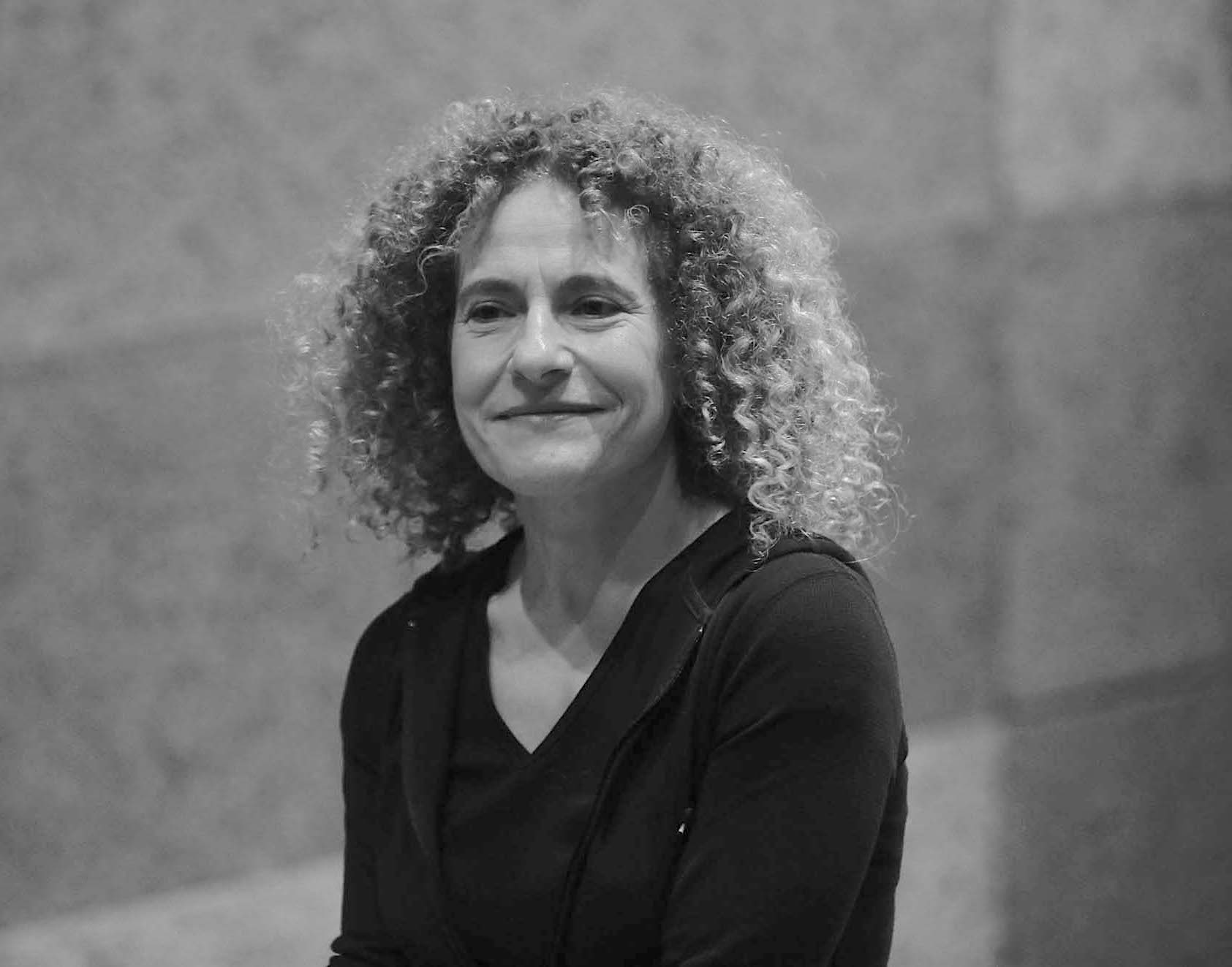
Introduction to Film Editing
By
Rania Stephan
An essential phase in the filmmaking process, editing is the organization of time with sound and images. Editing shapes a film and makes its heart beat. This workshop will cover how editing has changed over time, the tools used in this process, and the different styles of editing, which produce different types of narrative. Future filmmakers and film critics alike will learn how to read the language of film, in order to understand how they are made.

Talks & Panel Discussion
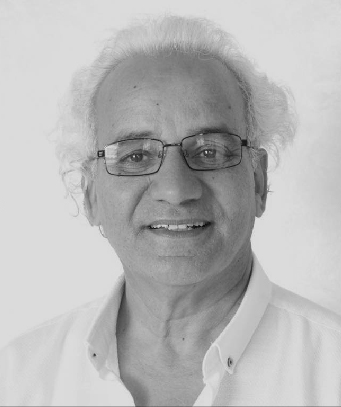
The Cinema of Migrants:
The Static and the Dynamic
Speaker
Habib Nasry
يستنبط هذا العرض بعض السمات الفنية والجمالية الخاصة بسينما المهاجرين من خلال استعراض نماذج فيلمية عربية وأفريقية عالجت موضوع الهجرة، لا سيّما الهجرة السرية. ويناقش الطريقة التي تلتقط بها عين المخرج وكاميرته في هذا النوع من الأفلام تفاصيل الألم والرغبة في البوح بعد أن تضيق الحياة بالإنسان في موطنه فيبحث عن أفق آخر يمثل بالنسبة إليه حلمه المفقود. كما يوضح استثمار المخرج السينمائي للمكونات السينمائية، من زمان ومكان وشخصيات ورؤية فنية، ليكشف من خلالها عن العوالم الداخلية لشخصية المهاجر الذي يتمزق واقعه بين عالمين متجاورين. وبهذا يفحص العرض المادة الفيلمية الإنسانية ويفكّكها من زوايا نقدية عديدة من أجل دراسة مكوناتها واستنطاق مفاهيم نقدية وفلسفية وجمالية لا غنى عن تناولها في أي نقاش يدور حول هذا النوع من التعبير السينمائي.

Youssef Chahine’s Journey West: The Emigrant and the Migration of Arab Cinema
Speaker
Youssef Rakha
The director Youssef Chahine, particularly through works such as the Alexandria trilogy and Adieu Bonaparte, was instrumental in bringing Arab cinema to the attention of the West, where it was initially framed as “Cinema of the South” or postcolonial cinema. This presentation considers the later phase of the director’s career, and especially the 1994 film The Emigrant, for which Chahine sought European funding, aspired to European festival awards, and even aimed his intellectual discourse at a “global” audience—an approach that was so successful that we can still see elements of it in Egyptian cinema today.
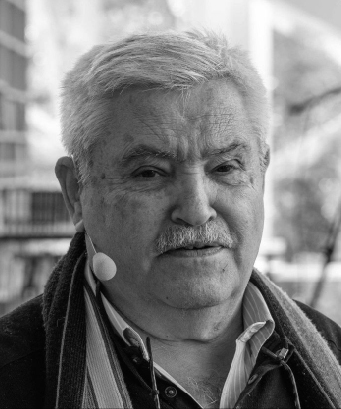
Cinema and Migration and Their Connotations in International and Local Cinema
Speaker
Ibrahim Al Aris
At the beginning of the twentieth century, the invention of the moving image coincided with the development of the field of psychoanalysis as well as a period of mass migration for economic, social, and ideological reasons. Starting from this technical, intellectual, and historical confluence, this presentation examines the relationship between cinema and migration, as seen from the center—Hollywood was built largely by immigrant artists—and from its peripheries in India, Mexico, and the Arab world.

Screening & Bloggers Panel

Date Wine (1998)
Dir
Radwan El-Kashef
In a small, extremely poor Upper Egyptian village, a strange man arrives with the promise of work and a better life. The village men respond to this invitation and leave in search of greener pastures, leaving the women, children, and elderly behind. Under these difficult circumstances, a boy, Ahmed, grows up and, in the absence of other men, steps into his role as the man of the village.
Our Partners